Dealing with High-Risk Police Activities and Enhancing Safety and Resilience: Qualitative Insights into Austrian Police Operations from a Risk and Group Dynamic Perspective
1 Safety and Disaster Studies, Chair of Thermal Processing Technology, Department of Environmental and Energy Process Engineering, Technical University of Leoben, 8700 Leoben, Austria
2 Department of Disaster Management and Environmental Security, Faculty of Security Studies, University of Belgrade, Gospodara Vučića 50, 11040 Belgrade, Serbia
3 Scientific-Professional Society for Disaster Risk Management, Dimitrija Tucovića 121, 11040 Belgrade, Serbia
4 Police Academy, Regional Police Directorate, 9201 Krumpendorf am Wörthersee, Austria
* Author to whom correspondence should be addressed.
Safety 2025, 11(3), 68; https://doi.org/10.3390/safety11030068
Submission received: 21 February 2025 / Revised: 11 July 2025 / Accepted: 14 July 2025 / Published: 18 July 2025
Abstract
Special police units like Austria’s EKO Cobra are uniquely trained to manage high-risk operations, including terrorism, amok situations, and hostage crises. This study explores how group dynamics contribute to operational safety and resilience, emphasising the interconnection between risk perception, training, and operational practices. Interviews with current and former EKO Cobra members reveal key risk factors, including overconfidence, insufficient training, inadequate equipment, and the challenges of high-stakes scenarios. Using a structured yet thematically flexible interview analysis approach, the study adopts group dynamics theory as its framework and applies a semi-inductive, semi-deductive qualitative methodology. It examines risk categorisation in ad hoc operations, as well as the interplay between risk perception and training, proposing actionable strategies to enhance safety and preparedness through tailored training programmes. The findings underscore the transformative impact of intensive scenario-based and high-stress training, which enhances situational awareness and reinforces team-based responses through cohesion and effective communication. Group dynamics, including cohesion and effective communication, play a pivotal role in mitigating risks and ensuring operational success. Importantly, this research advocates for continuous, adaptive, and specialised training to address evolving challenges. By linking theoretical frameworks with practical and actionable insights, this study proposes a holistic training approach that promotes both resilience and long-term sustainability in police operations. These findings offer valuable guidance to elite units like EKO Cobra for broader policy frameworks by providing insights that make police operations safer and more effective and resilient.
1. Introduction
The duties of police officers encompass a wide range of dynamic and often unpublished problem situations. A significant challenge lies in the reluctance of the police to acknowledge errors or misconduct, which can lead to a lack of transparency in addressing these issues. In response, police interest groups have advocated for the implementation of control mechanisms designed to manage mistakes [1]. As discussed by Feltes [2], errors are both unavoidable and widespread in everyday police work, making flawless performance unrealistic. High-risk situations include the suspected use of firearms or explosives, scenarios with violent suspects (based on specific facts), organised crime cases, aeroplane hijackings, serious violent crimes, various hostage situations [3,4,5,6,7,8,9,10], and other man-made emergencies [11].
The demands on members of this special unit are extraordinarily high. Discipline, endurance, and psychological resilience are crucial in recruitment and everyday duties. An application can only be submitted after two years of service as a regular police officer. Criteria include a spotless disciplinary record and outstanding physical and mental health [12,13,14,15,16,17]. It is important to highlight that not all police operations can initially be designated as “standard operations”. Instead, certain interventions may escalate into extraordinary situations, requiring rapid decision-making under significant pressure. In such contexts, reducing operational and leadership uncertainties is essential, as these factors often lead to serious outcomes.
To mitigate such risks, specialised units like EKO Cobra/DSE (Directorate for Special Units) (see Figure 1 and Figure 2) are deployed in highly critical situations. As per the regulations set by the Austrian Ministry of the Interior concerning the special units of the Directorate General for Public Security, EKO Cobra/DSE functions as an operational anti-terror and intervention unit that can be requested for specific missions and assigned relevant responsibilities. The unit’s specialised expertise and intensive training are vital for maximising officer survivability while ensuring safety in high-risk situations. Operating as Austria’s leading special police unit, it works under Section 22(1) and (2) of the Security Police Act (SPG) and is directly accountable to the Directorate General for Public Security. Its primary objective is to neutralise dangerous attacks in particularly high-risk situations, as detailed in Section 16(2) SPG [18,19].
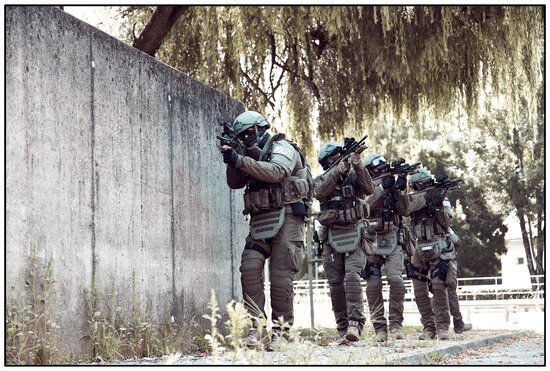
Figure 1. EKO Cobra training scenario. Tactical approach at the wall. Photo by the Directorate for Special Units (DSE EKO Cobra).
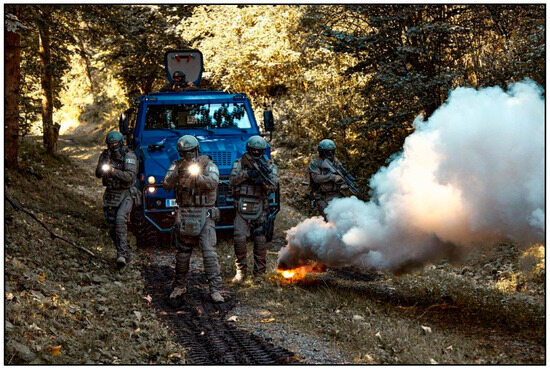
Figure 2. An EKO Cobra training scenario in a forest with an armoured vehicle. Photo by the Directorate for Special Units (DSE EKO Cobra).
Police officers are legally obligated under the SPG, the Code of Criminal Procedure (Stpo), the RLV, the Civil Servants Act (BDG), the Weapons Act (Waffgg), and constitutional provisions to end dangerous attacks and fulfil their primary duty to assist. These legal principles guide the actions of officers in the field, requiring that assailants be swiftly located, isolated, and neutralised. Operational teams are formed according to the situational demands, such as contact, rescue, and evacuation units, each with defined responsibilities [18]. During operational training (ET), officers are educated on the legal foundations governing police interventions. Specifically, § 3 RLV differentiates between non-intervention and intervention measures, beginning with verbal instructions and self-protection and escalating to life-threatening situations requiring the use of firearms [20].
The RLV also regulates the self-protection measures for OdöSd officers. According to § 3 RLV, while they are obligated to protect themselves, they do not possess special powers in doing so and must avoid potential threats to their safety. They are, however, not required to intervene to protect others’ legal interests if such intervention would significantly endanger their physical safety, especially if the threat is relatively minor [20]. In contrast, § 1(3) RLV obliges police officers to intervene—even when off duty—to prevent imminent threats to life, health, personal freedom, or significant property damage, provided the intervention is proportionate and reasonable [19].
The legal framework and obligations of police officers establish the basis for safe and effective operations. Guidelines on self-defence and conduct are essential for properly carrying out official responsibilities and ensuring personal safety. Comprehensive education and ongoing training are vital to managing the complex balance of risk and security. In general, police officers are required to follow the instructions of their superiors or commanding authorities, including directives from the BM.I, the state police directorates (LPD), commanders, and training instructors. Deviations from this duty to obey are only permitted if issued by an unauthorised body or if it would violate criminal laws. If officers have other concerns, they must inform their superiors [21].
Training is essential for handling all police operations in special situations, operational scenarios, or high-risk conditions. The nature of danger is defined by the type of threat, its controllability, the development of the situation, and time constraints [22]. Police interventions are often unpredictable and difficult to assess. An automated response—developed through repeated, scenario-specific training—is the most effective way to counter threats in a safe and effective manner. ET is a central component of basic police training, preparing officers to responsibly apply their authority, especially in the use of force and firearms. It covers a wide range of topics, including shooting and weapon techniques, operational tactics, interactive training, and handling exceptional situations, preparing officers to act competently and responsibly in critical situations.
Within the Austrian police, there is a differentiation between special units and regular police forces. Regular police officers are active in “normal operations”, and their training only partially overlaps with that of the special units. In contrast, special units are trained at a high physical and tactical level for specific operational situations at an incomparably higher training intensity. These differences arise primarily from the legal responsibilities of the police (based on the Security Police Act, the Code of Criminal Procedure, the Administrative Penal Code, etc.) and evolving socio-political demands. The selection and recruitment process for police officers in Austria is designed to identify candidates suitable for executive service. Conducted over two days, it includes psychological aptitude tests, clinical–psychiatric procedures (computer testing), a police medical examination, and interviews with experienced officers. Particular emphasis is placed on competencies such as perception, social skills, risk-taking, and resilience, which are essential for safe action in ad hoc operations [23,24].
To deepen the analytical rigour of this research, we contextualised our findings within well-established theoretical frameworks drawn from organisational and safety psychology. In particular, Safety Culture Theory [25,26] and principles of High Reliability Organisations (HROs) [27,28,29] provide a valuable lens for interpreting how police units, like EKO Cobra, sustain high operational performance amid volatile, high-risk environments. These theories highlight dynamics such as collective mindfulness, continuous organisational learning, and persistent sensitivity to failure as traits embedded in the unit’s training ethos and operational conduct.
Further insight is gained through psychological models of risk perception and decision-making under pressure, including Reason’s Swiss Cheese Model [30] and Cognitive Load Theory [31]. These perspectives help clarify how training, interpersonal communication, and real-time situational awareness converge in the heat of critical incidents. Complementing this, the application of transformational leadership theory sheds light on the role of leadership styles in fostering trust, reinforcing team cohesion, and shaping effective risk management behaviours in high-pressure policing contexts.
By anchoring the empirical analysis within these psychological and organisational frameworks, the study offers a more nuanced understanding of the underlying mechanisms that support safe, adaptive, and adequate decision-making in complex law enforcement operations.
This process aims to assess the candidates’ suitability for the police profession and provides insights into their psychological profile, which is particularly relevant for potential future special deployments. The subsequent basic police training reflects this focus, following a competency-based curriculum set by the Austrian Federal Police Academy (SIAK), drawing on John Erpenbeck and Volker Heyse’s definition of education as “the ability to act autonomously, in value-conform and rule-conform ways, in complex situations” [32]. The training is comprised of three core competency areas [32]: (a) police knowledge, (b) personality traits, and (c) social-communication competencies. Particular emphasis is placed on two key competencies: situational action and the ability to perceive and reflect.
Building on this foundation, this paper investigates the influence of safety-relevant factors and the role of group dynamics during special operational situations of the Austrian police. A central challenge in such operational scenarios is the often unpredictable nature of the problem and the high level of uncertainty. Risks are frequently underestimated or misjudged due to factors, including a lack of operational experience, insufficient situational information, uncertainty about the number and training level of the individuals involved, and self-doubt. The present work aims to analyse these complex relationships and gain insights to improve operational safety in critical situations.
This study examines how group dynamics and risk perception influence the effectiveness and safety of special police unit operations. By assessing operational risks and the impact of training, the research seeks to pinpoint vulnerabilities and strengths influencing decision-making in high-risk environments. To achieve this, problem-centred interviews were conducted with current and former members of EKO Cobra, providing firsthand insights into how risk awareness, training intensity, and team cohesion impact operational performance. Moreover, the study explores the relationship between structured training programmes and the ability to adapt in real-time during unpredictable situations.
Literature Review
High-risk police activities carry numerous challenges and risks related to occupational stress, mental health, and interagency collaboration. Consequently, many studies investigate the effectiveness of approaches to protect officers facing high-stress levels. Prolonged exposure to significant stress can negatively affect police officers’ mental health. Specifically, Kapusta et al. [33] found that suicide rates among Austrian police officers correspond to the suicide rate of the general population yet stress the urgent need for tailored mental health interventions that consider the unique stressors of police work. Furthermore, the study highlights that the use of firearms in suicides among police officers remains prevalent.
In Lower Austria, numerous workshops have been organised to raise police awareness of various mental health issues. These initiatives aim to improve the officers’ ability to manage their own mental health and their interactions with the public [34], thus creating a supportive work environment that reduces the negative impacts on mental health. After high-risk, high-stress operations, it is essential to provide support. For this reason, Hesketh and Tehrani [35] emphasise that strengthening the psychological resilience of police officers depends on structured trauma risk management and post-trauma interventions for first responders.
Risk perception and training methods are key to improving the safety of police personnel. An adequate police response depends on accurately identifying and categorising risks, enabling the setting of priorities and appropriate organisational action against hazards. For this reason, Morgan et al. [36] recommend classifying risks based on initiating events or environmental factors.
Of course, risk perception—which encompasses both emotional (affective) and rational components—plays a critical and unequivocal role in hazard assessment. Therefore, effective reactions and rational assessments influence safety-related decision-making [37]. This understanding enables the design and implementation of training programmes that align with both intuitive and analytical risk evaluations. Effective hazard recognition and appropriate safety responses largely depend on practical training. A specific study found that targeted training significantly helps improve officers’ ability to assess risk and respond appropriately in diverse security situations [38].
For this reason, using specific scenario-based exercises that simulate high-risk situations can enhance police officers’ preparedness. Rundmo [39] emphasises that training should take into account both cognitive and emotional dimensions of risk, pointing out that worry and concern are often emotional precursors to cognitive risk assessment. Therefore, training must consider the full range of emotional and mental responses. Additionally, adaptive training should be based on specific scenarios reflecting the various risks encountered in police operations. It must also be grounded in analytical and affective understandings of risk, which are crucial for improving risk perception [40]. Namian et al. [41] emphasise that programmes focusing on experiential learning show that interactive safety training effectively increases awareness and prepares personnel for unexpected hazards. However, as Burket [42] notes, current training in Europe focuses heavily on improving physical skills in the police environment, such as speed or firearm aim, while decision-making and action-oriented training remain significantly underrepresented.
A recent case from France illustrates the complexity of police decision-making: during a traffic stop, a driver attempted to evade control, leading one of the two officers involved to fire a fatal shot [43]. This incident raises questions about the group dynamics involved in decision-making, even in routine operations. Therefore, it is crucial to examine the factors that led to the shooting, for example, whether they were perception errors, excessive caution, communication problems between the officers, or perhaps legal frameworks that legitimised the action. Problem-solving operational training (OT) requires officers to make a wide range of “what” and “how” decisions that must be recognised and processed in the moment, enabling them to decide immediately on the most effective and safest course of action [44]. On the other hand, reproductive OT requires less decision-making, focusing solely on execution, including isolated actions, such as drawing a weapon or shooting at static targets. In reproductive OT, the “what” variable is missing, which is critical in officers’ perception, as it often presents itself as a surprise or through the unexpected behaviour and determination of the adversary [44]. For example, officers may not initially notice during a traffic stop that the driver is carrying a knife, in which case, immediate tactical decisions are required to handle the situation while ensuring safety and legal compliance.
While OT aims to prepare police officers as effectively as possible for real-life operations, the NRW study “Violence Against Police Officers” [45] highlights a disparity between real operations and training in its qualitative section, causing officers to feel helpless. The main identified issue is the limited time available for OT, where the scope and intensity of training are central factors preventing the automation of operational techniques [45]. In addition, several applicable problem-solving approaches used by police units in the USA and the UK are not well-known or explicitly trained for in the Austrian police force. A prominent strategy is the “Tit-for-Tat” approach, which signals to the counterpart that police officers are friendly in their interactions but can defend themselves if necessary [22]. This strategy, “Tit-for-Tat”—originating from game theory—was used by interviewees to describe a tactical, interactional balance of trust and retaliation within high-stress team dynamics [46,47,48]. While this framing offers insight into adaptive group behaviour, its relevance in operational policing must be viewed as context-dependent and relational rather than prescriptive. Thus, this term is best understood as a set of heuristic tools for interpreting real-world behaviour and should be applied cautiously in the broader psychological discourse on risk perception and decision-making.
Additionally, the Hessian University for Police and Administration conducted a study on OT for police cadets. Over a five-week period, self-defence, firearms, and tactical training were analysed through an online questionnaire answered by 18,356 officers (post data cleaning). The survey was conducted using a qualitative four-eye principle and a stopwatch. The results indicate that adequate training time per participant was 23.13% for self-defence, 15.04% for firearms training, and 13.89% for tactical training, resulting in an overall active training time of 16.68%. This suggests that approximately 83% of OT consisted of passive activities, such as waiting between training stations or delays during firearms training until ranges became available. These periods are considered unproductive training time. Within the 16.68% of active time, 10.65% was used for operational tactics and techniques, with 6.03% focused on problem-solving tactics.
Problem-solving competence is vital for successful operations and should, therefore, be strengthened through more practical exercises [45]. On the other hand, it is not enough to demonstrate two or three intervention techniques once a year during OT to prepare officers for possible resistance in the field. Even though the arrest techniques are practical and effective, they cannot be internalised without regular practice. They should, for example, become a standard part of the duty [45].
A relevant study on police intervention techniques [22] investigated the psychomotor skills required while applying handcuffs. Three psychomotor areas were defined: (1) applying handcuffs, (2) searching the person, and (3) controlling the application of handcuffs using an arm lever. The sobering result was that after two years, only 31–36% of the participants mastered the correct operational technique [49]. Psychomotor skills are defined by a person’s various sensory, emotional, and cognitive abilities, enabling them to behave successfully in a given context. Psychomotor skills, especially in police intervention techniques, require prolonged practice and training to become automated. This can determine the success or failure of the operation and prevent a dangerous situation from spiralling out of control. Furthermore, studies by Pinizzotto and Davis [50] found that attackers with the intent to kill often abandon their attack once they perceive that police officers can tactically counter their planned assault [21]. The strategy is based on the assumption that individuals initially behave cooperatively and adjust their behaviour based on that of their counterparts. Cooperative behaviour is typically met with cooperation, while uncooperative behaviour elicits an uncooperative response. When applied correctly, this strategy can lead to positive social interactions.
In his book Football Games Are Decided in the Head, Memmert [51] describes how top football athletes can combine perception, reaction, and action speed (reactive agility). These problem-solving processes are necessary for rapid and effective event management. Memmert emphasises that cognition—influenced by attention, perception, anticipation, and memory—significantly contributes to creative problem-solving. Another key aspect is game intelligence, which translates into police ET: the ability to anticipate and predict the opponent’s actions, similar to predictive intelligence in the police context.
Furthermore, mental performance is defined by Memmert [51] across six areas: (a) integrative, multisensory, and experience-based perception; (b) processes of recognising personal processes and categorising people, objects, and events; (c) conscious and unconscious processes, such as imagining, modelling, and hypothesising; (d) experience-driven changes in perception that lead to adaptable processing strategies; (e) attention processes and expectations, which involve actively exploring the stimulus situation; and (f) mental activities. These six cognitive factors are considered “higher mental functions and processes” necessary for finding situation-appropriate solutions [51]. Pinizzotto, Davis, and Miller [50], for example, suggest that gang members often display a cold-blooded street gang mentality with little sense of guilt, as they are fixated on key concepts such as respect, status, honour, and loyalty. Training officers to understand these mentalities is a valuable addition to officer training, allowing for a more appropriate and proactive, non-violent interaction when dealing with such “cultures of honour”.
A successful example of the Tit-for-Tat strategy in police interactions comes from a football-related context. After a game, German police officers visited a pub where violent football fans were gathered. They started conversing with the fans and offered them a beer, gradually developing a friendly rapport. The police officers acted according to the Tit-for-Tat strategy: they were friendly but prepared to respond appropriately if provoked. This strategy promotes mutual respect without asserting dominance and values reconciliation as a virtue [42]. In other words, “once you have reacted appropriately and the situation is resolved, you can return to friendly interaction” [43].
Another potential strategy to enhance police safety, identify problems early, and respond appropriately is the TDODAR decision model [52]. Originally well-known in British aviation, this tool is used to make complex decisions under pressure, particularly by pilots and IT professionals when servers crash or chefs when meals are spoiled. It can also be effectively applied to processes in everyday police work. TDODAR stands for Time, Diagnosis, Options, Decide, Assign, and Review, providing a structured decision-making mechanism in critical situations [53]. Time plays a central role in evaluating various options under pressure, making decisions, assigning tasks, and finally reviewing the situation to evaluate the actions taken [54].
While concepts drawn from elite sports and aviation—such as Memmert’s notion of “game intelligence” and the TDODAR decision-making model—can offer valuable insights into situational awareness and adaptive cognition, it is essential to assess their contextual relevance critically [53]. Unlike athletes or pilots, police officers operate in environments characterised by legal ambiguity, ethical complexity, and social volatility [54]. Their decisions must be made rapidly and under pressure yet remain within strict normative frameworks shaped by the law, human rights, and moral accountability. While aviation and sports follow structured procedures and clearly defined rules, ad hoc police operations often unfold in unpredictable situations without predetermined solutions, all while facing the possibility of legal review and public scrutiny after the fact. As such, while external models may help illuminate specific cognitive or team-based dynamics, their application must be carefully adapted to reflect the distinctive ethical and legal dimensions of policing. This distinction underscores the importance of developing training and leadership models specifically tailored to the operational and moral realities of law enforcement [55,56,57,58].
According to Staller and Körner [44], making evidence-based decisions is part of the awareness process of a professional, modern police force, where science provides essential support through controlled knowledge production. Simulations and exercises can help prepare for extreme situations, as they help identify weaknesses, implement better strategies, and establish operational approaches. However, experience gained from one operation cannot be fully transferred to the next. Organisational resilience and police officers’ ability to restore safety during a crisis are inadequate for lasting success, as these depend primarily on familiar action patterns [59].
Interactive scenario training closely simulates real-life situations, aiming to teach officers appropriate behaviour patterns in high-stress situations, linking theoretical and practical knowledge. Trainees are sensitised to dangers, their attention and cognitive skills are sharpened, and specific behaviour patterns are partly automated [20]. Perception varies among individuals and is influenced by various factors such as external or internal substances (hormones and alcohol), deficiencies (hunger and fitness), psychological factors (knowledge, attitudes, and prejudices), material environmental factors (equipment and safety gear), and social factors (perception of superiors or colleagues, career prospects, and threat assessment), as well as time pressure and information deficits [60]. These distortions and errors in perception can have fatal consequences, such as the wrongful conviction of innocent prisoners due to misidentifications, accounting for approximately 52% of the highest error rates [61].
The perception of risks refers to how people assess and respond to dangers, uncertainties, and potential negative consequences. This varies significantly and is influenced by personal experiences, cultural backgrounds, social environments, media coverage, and psychological factors. People tend to assess and prioritise risks differently, with some considered particularly threatening and others considered less relevant. According to Haller [62], perception is based on three factors—context, source, and individuals—developed through social and communicative interactions. Source-related factors such as time, location, shock, and control are perceived as less threatening the further away the source of danger is. Conversely, the closer the danger, the higher the threat is perceived. Contextual factors include evaluation perspective, personal benefit, and individual involvement. This perception can result in different behaviours aimed at protecting oneself from potential dangers. Police officers primarily interpret their environments in spatial and situational terms, often processing information unconsciously. They strive to identify categories that aid in assessing situations—whether evaluating their own actions, the behaviour of others, or potentially dangerous circumstances—which are critical for guiding subsequent operational decisions. Risk perception and the ability to “evaluate it correctly” greatly influence risk assessment, and the two are inextricably linked. Risk research has found that awareness of uncertainties or existing dangers increases as the focus on security strategies in society grows [63].
Individuals in leadership positions, such as police unit commanders, often exhibit greater caution in risk assessment when responsible for others compared to decisions that affect only themselves. Objectively, inaction for others can be riskier (Omission Bias) than active intervention, as inaction can be equivalent to wrong action, especially in critical situations. Leaders are particularly challenged because they must bear full responsibility for the decisions and actions of their group. This leads commanders to weigh carefully whether and how to let their units intervene. Many commanders, therefore, tend to avoid intervention, fearing possible mistakes and the consequences for themselves, also known as the fear of acting too late (Too-Late Bias) or hasty action (Commission Bias).
Studies have shown that personal influences on perception are gender-specific and depend on professional or private attitudes and one’s competence assessment. Insecure individuals tend to overestimate risks and behave over-cautiously, while people who consider themselves competent tend to underestimate risks. Similarly, laypersons tend to overestimate risk and selectively perceive information. Assuming that one is exceptionally skilled, overconfidence is also associated with a lack of vulnerability to dangers [63]. In the analysis of situations in which police officers are injured or killed, the potential threat becomes clear. For example, traffic stops, compared to routine operations, involve fewer violent incidents. Nonetheless, a latent danger exists, the consequences of which can include injuries, death, or post-traumatic stress, demanding that police officers enhance their danger radar through targeted perception [18]. The term “danger radar”, frequently referenced by participants, is a colloquial metaphor for intuitive situational awareness as an internalised sensitivity to perceived threats [64]. Although not a formal psychological construct, it resonates with principles from naturalistic decision-making and pattern recognition theory, where seasoned professionals draw on rapid, often unconscious cues to identify irregularities. We interpret the “danger radar” as a heuristic developed through repeated exposure, scenario-based training, and feedback mechanisms. At the same time, we acknowledge its conceptual vagueness and vulnerability to cognitive biases, such as over-generalisation or false positives.
Further analysis of German and American studies on police officers who were killed in the line of duty or survived a surprise attack reveals the presence of dangerous perceptual distortions. Traffic stops are often perceived as harmless routine checks without considering that the counterpart may perceive the situation as a threat to their freedom and may be willing to use violence to escape. Misjudgements by officers are often based on the positive external impression of the counterpart or the failure to consider potential companions [60]. These factors accounted for 9.2% of all errors in daily police operations involving initially underestimated dangerous situations, with 7.5% identified as significant intervention errors [1].
Füllgrabe [65] recommends a concrete approach for police officers called “mental judo”. This includes a series of components and serves as a checklist on how to react to any operational situation, both mentally and practically, proposing a network of intellectual, moral, and physical domains. The author assumes that self-protection through trained perception—referred to in police jargon as the “danger radar”—as well as calm vigilance and the training of problem-solving thinking, fosters a sense of control over the situation and prevents the emergence of fear. Crisis management can be positively influenced by prior mental preparation for dangers, as automated operational techniques can be recalled. This is particularly important when perceiving a potentially dangerous counterpart. Additionally, the author sees a demand on the psychological immune system (thoughts about the offender, anger, feelings of helplessness, etc.) when it comes to serious injuries and threats to escape the dangerous situation. Debriefing helps to avoid post-traumatic symptoms and anger.
Misjudging a dangerous situation is not simply the result of careless attention. The problem is rather the lack of well-developed cognitive schemas—or a “danger radar”—for recognising and responding to dangerous situations, often stemming from insufficient training at the beginning of their professional career [2]. While this deficit may go unnoticed in daily, non-threatening interactions, it becomes apparent in dangerous situations when the police officer does not know how to act, hesitates, or is even disarmed and is shot [22,50].
Professional operational forces, such as members of special units of the Austrian Federal Police, claim to be able to assess risks in operations, especially in ad hoc situations. This is achieved through years of daily training under challenging conditions. In addition to trained perception skills, personal factors also play an essential role in influencing risk perception, such as situation biases, personal attitudes, and individual behaviour. These personality traits are linked to work performance and show a connection between risk and performance and more specifically that a person’s personality can influence their perception of risk situations, risk-taking, and risk behaviour [66].
The risks perceived in ad hoc operations by special units depend on each team member. The flow of information plays a crucial role during this phase, as all perceived information must be conveyed to commanders who are not directly involved in the operational situation. Commanders must be able to rely on the information they receive being accurate, even though it comes from each team member and depends on their perception skills and risk tolerance. Additionally, commanders’ risk tolerance influences the subsequent course of operations, as personal risk perception and behaviour affect group norms. Depending on personality type, the risk tolerance of leaders can vary, leading to a lack of assertiveness in dealing with risks, a loss of control, or underestimating risk [66,67]. Establishing formal risk management can be a promising solution to this problem, as it can minimise workplace and operational risks both organisationally and personally.
Implicit (learned) and explicit (training and education-based) knowledge and behaviours can greatly enhance danger perception concerning self-protection. Implicit knowledge refers mainly to the understanding of causal relationships and experienced events influenced by one’s value system and is gathered through personal experience. Other recommended methods aimed at enhancing perception and subsequently reducing errors among police officers include stress reduction, concentration and relaxation exercises, yoga, autogenic training, balance sports, and breathing exercises [62,64]. Additionally, danger perception is trained in operational training to eliminate sources of error and address deficits.
According to Füllgrabe [22], survivability also encompasses the psychological foundation necessary for effectively managing dangers. The psychological state of police officers, particularly those in special units, plays a crucial role during operations, as many police techniques place both physical and psychological demands on officers. These factors must be well-coordinated and interrelated during application. Survivability depends on training frequency, mindset, and individual skills. In a study conducted by DuCharme in the early 2000s involving 290 Canadian and American police officers, it was revealed that 93% of officers fell during service, with 76% experiencing multiple falls; 89% fell during arrests, and 94% of those had to defend themselves from the ground [34]. These results show that unpredictable situations and equipment challenges significantly reduce officers’ survivability, endangering both the assailants and the officers themselves.
To solidify this study’s theoretical underpinnings, we extended the literature review by integrating several established models from organisational and safety psychology that are particularly applicable to high-risk policing environments.
We began with the Job Demands–Resources (JDs-Rs) model [68], which offers a valuable framework for understanding how the pressures of operational work—such as time constraints, emotional strain, and exposure to violence—interact with key resources like training, peer support, and leadership quality to shape well-being, motivation, and performance in specialised police units. This model underlines our emphasis on psychological resilience, pointing to training and team cohesion as vital protective factors in demanding field settings [69]. Team cohesion includes the extent to which members identify with the group, feel a sense of belonging, are oriented toward achieving common goals, and value and trust one another. We also drew on models of safe behaviour that highlight the influence of safety climate and group norms on individual and collective adherence to safety practices. These approaches emphasise how organisational culture, leadership support, and peer behaviour contribute to safety-related decision-making in complex operational scenarios [70,71]. In examining leadership and decision-making under high-stakes conditions, we turned to theories from naturalistic decision-making (NDM), especially Recognition-Primed Decision (RPD) frameworks [72,73,74,75,76,77]. These explain how experienced professionals are able to make rapid yet sound decisions by relying on contextual cues and well-developed mental models gained through practice and feedback. These concepts closely align with our observations of EKO Cobra’s scenario-based training and their fast, reflexive responses in the field [72,73,74,75,76,77].
Finally, we clarified our choice of the group dynamics model [78] as the primary analytical lens because it best captures interpersonal trust, communication, informal leadership, and team cohesion as key factors shaping risk perception and safe behaviour within operational teams.
2. Theoretical and Methodological Design
This study investigates the role of group dynamics, risk perception, and training in ensuring safety and operational efficiency in high-risk police activities. The research was conducted through problem-centred interviews [79] with current and former members of Austria’s special police units, primarily focusing on identifying key operational risks, analysing team dynamics, and understanding how risk perception and training influence decision-making under pressure. Three core research questions guide the study:
What operational risks are subjectively perceived by special police forces in high-risk situations? This question explores how officers subjectively categorise risks in ad hoc operations, providing insights into perceived threats, tactical uncertainties, environmental constraints, and psychological pressures in real-time crisis scenarios.
How do group dynamic factors influence safety and the management of high-risk police operations? The study examines key elements of group dynamics, including (a) communication and interaction—how information flows within the team and how members coordinate actions; (b) interpersonal attraction and cohesion—the strength of emotional bonds, trust, and collaboration within the unit; (c) social integration and influence—how new members are accepted and how individuals impact group behaviour; (d) power and control—the distribution of authority and decision-making structures within the unit; (e) group culture—the shared norms, values, and beliefs that shape team cohesion and operational effectiveness. These factors are analysed to assess their contribution to the safe and successful execution of high-risk operations.
What influence does risk perception have on safety in high-risk operations, and what role does training play? This section examines officers’ perceptions and their impact on safety, highlighting how training enhances situational awareness, improves decision-making, and reduces operational errors. It also highlights specific training strategies that reinforce risk perception and enhance operational readiness. Whether a decision-making process is effective is examined on the basis of the subjective assessment of the respondents. Risk perception includes the perceived intensity of risk, emotions, consequences, and whether you would act differently retrospectively.
2.1. Semi-Structured Interviews
Semi-structured interviews, specifically problem-centred interviews [49], were chosen for this empirical study to capture the subjective perceptions and experiences of the interviewees. While narrative-driven, the interview is structured and guided by the interviewer based on the chosen theoretical framework and the underlying research questions.
The interview was conducted using a structured yet flexible approach, guided by a detailed interview guide to systematically cover all relevant topics. This approach also allowed for a spontaneous deep dive into specific topics, enabling a thorough analysis of complex issues and the acquisition of both practical and theoretical insights [80].
This approach enables direct interaction with respondents’ experiences and expertise, crucial for analysing ad hoc operations, allowing immediate insights into both strengths and weaknesses in operational practices.
Interviewing police experts provides the unique advantage of linking and critically comparing theoretical knowledge with subjective experiences, addressing the limits of standardised theoretical models. The interviews reveal implicit knowledge of the interviewees and integrate it into the research process.
It was crucial to select experts from the BMI (Austrian Ministry of the Interior) and specifically from the special unit EKO Cobra, who are either currently active or have previously served, as these experts bring extensive knowledge both in operational and theoretical/teaching areas. Their experience includes roles as operational trainers, observers, instructors, and practitioners.
Participation in this study was entirely voluntary, with all participants fully informed beforehand about the study’s objectives, their right to withdraw at any point, and the steps taken to protect their confidentiality and anonymity. Each interviewee provided written informed consent. As the research involved professional adults discussing their occupational experiences—and did not engage vulnerable groups or collect sensitive personal data—formal ethical approval was not required in line with Austria’s national research regulations.
Given the complexity of the topic, special attention was paid to ensure that the selected experts had many years of experience in their respective specialised areas. Among the interviewees were two senior officers—an officer from the LPD (State Police Directorate) Vienna and a former EKO officer—as well as a location manager and commander of EKO Cobra. Additional experts included a tactics trainer, a firearms trainer from EKO Cobra, and an observer from the unit. The remaining interview partners were operational officers from EKO Cobra at BM.I. All interviewees possessed extensive experience from numerous domestic and international operations, acquired expertise in various functions and training roles in Austria and abroad, and held several command functions in the past or at the time of the study. All interviewees were male, as no women work in this special operations unit.
Five specific research questions and related sub-questions were answered by current and former members of the special unit. Ten experts were interviewed to comprehensively understand operational activities and risk perception. The participants’ anonymity ensured their protection and enabled open and honest engagement with the topics.
2.2. Study Area
Austria is a landlocked country in southern Central Europe (Figure 3), bordered by Hungary, Slovakia, the Czech Republic, Germany, Switzerland, Italy, and Slovenia. Austria declared neutrality after the Second World War and joined the United Nations as a democratic country and has been a member of the European Union since 1995. The federal territory comprises nine provinces with an area of about 84,000 square kilometres. As in other industrialised countries, increasing life expectancy and declining birth rates have led to the growth of older population groups in Austria. On 1 January 2024, the average age of the population was 43.4 years, which corresponds to an increase of 6 years of life since 1980 [81].
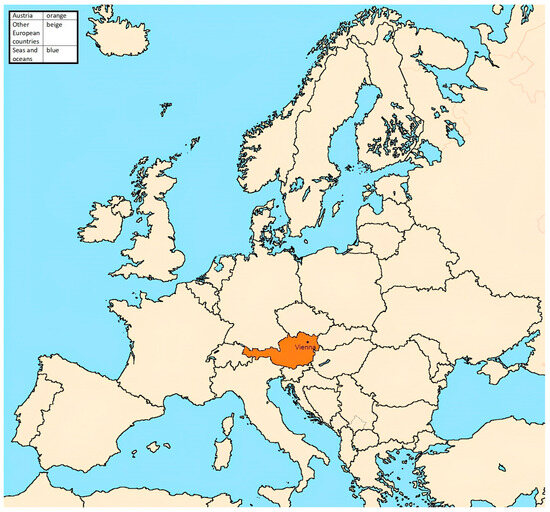
Figure 3. Study area. In 2023, the five main crime areas were categorised as follows: property crime (162,242 offences), white-collar crime (103,330 offences), violent crime (85,374 offences), cybercrime (65,864 offences), and organised crime (40,333 offences). Violent crimes account for around 16% of all reports. Property offences, financial and economic offences, and cybercrimes were the most significant areas. In the reporting year, slightly more than 40,000 bodily injury offences were reported, while cybercrimes reached nearly 65,900 (Figure 4).
The total population in 2024 was 9,158,750 people, of which 50.7% were women. In 2022, the life expectancy of women was 84 years, showing an increase of 0.5 years compared to 2012. For men, it was 79 years, with an increase of 0.8 years compared to 2012 [81]. At the beginning of 2024, 1,766,206 people under the age of 20 (19.3%) lived in Austria, 5,575,396 people (60.9%) were of working age from 20 to 64 years, and 1,817,148 people (19.8%) were of retirement age of 65 years and more. The average age of the population was 43.4 years and differed significantly by nationality: Austrian nationals, at 45.2 years, were approximately nine years older than Austrian residents of other nationalities (36.0 years).
The number of Austrian citizens decreased by 17,068 in 2023, whereas the population with foreign citizenship increased by 71,068. On 1 January 2024, 1,800,866 non-Austrian nationals were part of the population, making up 19.7% of the total population.
An average of 756 cases were solved every day in Austria [82]. Police also reported an increase in violent crimes in 2023. In 85,374 reported cases, suspects carried, used, or threatened to use a total of 350 firearms, 2479 stabbing weapons, and 615 bladed weapons. Following a decline in the previous year, more violent offences in the private sphere were reported to the authorities in 2023. There was a minor increase in reported crimes in the area of violence in the private sphere, with 20,590 reports filed, representing a 3.5 per cent increase compared to 2022. In 2023, 30 male and 42 female victims were recorded for reported murder offences, representing a decrease of 9.1% for male victims and an increase of 7.7% for female victims in comparison to the previous year [82].
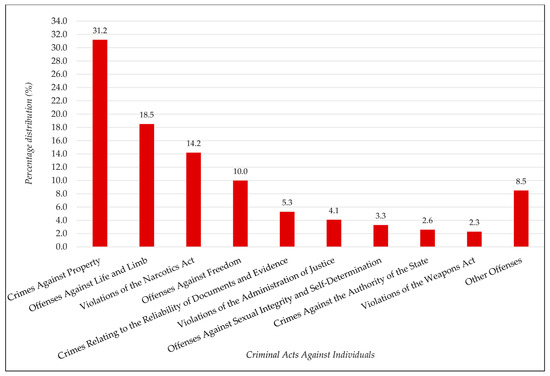
Figure 4. Overview of all offences by offence groups in Austria (2023).
The Security Police Act (SPG) not only regulates the organisational aspects of the police, such as the structure and responsibilities of executive bodies and authorities, but also includes the material level of state hazard prevention through these executive bodies. The legal provisions that obligate police officers to fulfil their duties are primarily outlined in the SPG, the corresponding service regulations (Guideline Regulation [RLV]), and the Civil Servants Act (BDG) of 1979. The BDG defines the general duties of civil servants, with § 43 being particularly relevant. This paragraph stipulates that civil servants must perform their official duties following the applicable legal system faithfully, diligently, impartially, and with dedication. Moreover, they must ensure their behaviour maintains public confidence in properly discharging their duties.
Supporting and informing citizens—while maintaining service interests and impartiality requirements—is also expected as part of their official duties. The RLV outlines how public safety officers (OdöSd) should conduct themselves on duty and what tasks they must fulfil. According to § 1(1) RLV, in conjunction with § 2(2) SPG, OdöSd officers are authorised to exercise administrative command and coercive authority to carry out their duties. Additionally, § 1(2) RLV emphasises that OdöSd officers should perform their duties within the scope of their training, highlighting that various operational departments within the Federal Ministry of the Interior (BM.I) and each state police directorate have different focuses and specific training requirements.
2.3. Questionnaire Design
The design of the interview guide for this study aimed to capture comprehensive insights into the operational risks, risk perception, and group dynamics encountered by members of Austria’s special police unit, EKO Cobra. Its development was informed by an extensive literature review and preliminary informal discussions with active and retired task force members, ensuring relevance and depth. The interview guide featured semi-structured questions that allowed participants to share their unique experiences while addressing the study’s core objectives. These questions were organised into several thematic categories:
- (a)
-
Operational risks: This section focused on identifying and categorising the dangers encountered during ad hoc operations. Participants were asked to reflect on physical, psychological, and operational risks, providing specific examples of scenarios in which these risks became apparent;
- (b)
-
Risk perception: This section aims to understand how officers perceive and evaluate risks in high-pressure situations. Questions explored the influence of training and personal experience on their ability to recognise potential dangers and respond appropriately;
- (c)
-
Group dynamics: This section included questions on group cohesion, communication, and trust to explore the socio-psychological aspects of operations. Participants shared their perspectives on how these dynamics shaped decision-making and operational outcomes;
- (d)
-
Leadership and decision-making: This section examined the impact of leadership on risk management and team resilience. Questions addressed the balance between hierarchical authority and collaborative decision-making within the EKO Cobra framework;
- (e)
-
Training and preparedness: The focus was to obtain feedback on training methods, including modular competency training (MKT) and scenario-based simulations. Participants evaluated the effectiveness of these programmes in preparing them for real-world challenges;
- (f)
-
Technological and cultural factors: The final section explored the role of modern technologies and intercultural considerations in enhancing operational safety and efficiency. Participants identified areas where improvements or innovations could strengthen outcomes.
The approach provided a solid foundation for analysing the interplay between risk perception, training, and group dynamics by integrating targeted questions with open-ended response options. In addition, the results from the qualitative data collection were validated through triangulation with findings from a thorough literature review to ensure reliability and depth.
2.4. Analyses
According to Mayring, content analysis must be tailored to the specific research topic and research question [83]. The present study focuses on two central research questions: (a) How can risks in ad hoc operations be categorised, and what specific operational risks are known?; (b) What role do risk perception and training play in the context of safety?
Based on these research questions, a structured analysis model was developed, outlining the analysis’s steps and their sequence to ensure a systematic and comprehensible process, reflected in the detailed breakdown of the material. Critical analytical units, such as coding units (the smallest segment of the material that is analysed and categorised), context units (the contextual relationship of a coding unit), and analysis units (the scope of the material, in this case, the interviews), are clearly defined and applied (see the Excel table in Appendix A).
In the content analysis, categories were created inductively from the material itself, allowing flexibility in determining the analytical units and allowing the system to adapt to new insights during the process. The category system structured the analysis, ensuring transparency and consistency in the evaluation of the data [83]. Individual coding units were paraphrased concisely, omitting non-substantive and decorative text elements. The goal of paraphrasing is to present the text at a consistent level of abstraction [83].
Table 1 below provides a structured overview of the coding units by thematic content, highlighting key operational risk, decision-making, and professional performance concepts. More specifically, it emphasises critical factors such as resource management, risk perception, and the role of training in enhancing operational effectiveness, offering a clear and systematic perspective on the essential elements influencing performance in high-risk environments.
Table 1. Context units with descriptions and explanations.

In the logic of content analysis, the creation of categories follows selection criteria that determine which material should be included in the category definition. These selection criteria are closely linked to the insights from the theoretical section or the literature review, while the research questions provide the substantive direction for the categories.
A three-step reduction process was applied to create the categories. In the first step of text reduction, paraphrases were generalised for abstraction and duplicate content was eliminated to avoid redundancy. In the second and third steps, related paraphrases were grouped and summarised into a new overarching statement. This process reduced and generalised the material to allow for a more concise analysis while preserving its core meaning.
To enrich the qualitative analysis and help uncover patterns across participants, a simple form of quantitative coding was applied to a set of themes identified inductively using Mayring’s content analysis framework. In this process, subjective evaluations of central dimensions—such as risk perception, emotional response, group cohesion, and leadership style—were systematically converted into numerical values using a Likert-type scale, guided by consistent coding criteria.
Importantly, this numerical translation was not intended for statistical generalisation. Instead, it served to support the recognition of recurring patterns, enable visual representation (e.g., through correlation matrices), and assist in triangulating individual narratives with thematic prevalence. While the act of quantifying rich qualitative material inevitably risks oversimplifying its complexity, following Mayring’s guidance, the numerical data was treated as a secondary layer, intended to complement rather than overshadow the interpretive insights. This clarification strengthens the methodological integrity and fosters greater transparency in our mixed-methods approach.
Table 2 divides the categories into subcategories. The categories cover various aspects of operational planning and execution and provide a structured basis for analysing expert interviews. These categories were analysed for their positive or negative effects on operational processes.
Table 2. Category development with descriptions and explanations.
The analysis reflects central aspects of Mayring’s methodology [83]. It first highlights the structured analysis process, which is characteristic of Mayring’s approach and ensures systematic data handling. Furthermore, it explicitly references the use of a category system, a core element of Mayring’s qualitative content analysis, which serves as the foundation for rule-based and transparent evaluation. The study also implies a systematic and rule-based approach to identifying thematic areas, emphasising objectivity and reliability.
Another important aspect is the reference to the possibility of quantification, as expressed by the mention of “recurring patterns”, which reflects the integration of qualitative and quantitative elements in Mayring’s approach. Finally, the evaluative component is considered by analysing the effects (positive/adverse) of the identified themes, demonstrating the depth and interpretative nature of the analysis.
As part of the structured content analysis, the case responses were systematically examined for recurring patterns and focal points. By applying the inductively developed category system, central themes were identified that represent significant influencing factors on the course of operations in special situations. These categories were analysed regarding their positive or negative effects on operational processes.
3. Results
3.1. Exploring Correlations Through the Quantification of Qualitative Data
The obtained Pearson correlation results indicate certain statistically significant correlations among the key analysed variables (Table 3 and Figure 5). Specifically, the results reveal a strong positive and statistically significant correlation between risk perception and decision-making effectiveness within the group (r = 0.859, p < 0.01). These findings suggest that decision-making efficiency in stressful situations improves as awareness of various risks increases. High team cohesion includes maximum trust and the willingness to go the extra mile during a mission, exemplified by the following interview quote: “We are the team. I go to war with them.” (Participant ID 2).
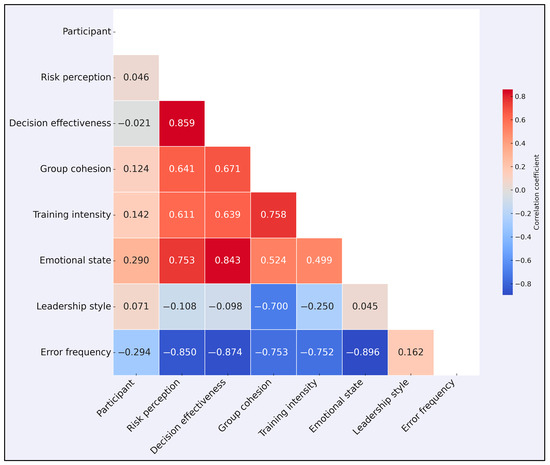
Figure 5. A correlation heatmap of all variables with significance levels. Quantitative coding was performed based on the participants’ qualitative responses to conduct Pearson’s correlation analysis of the observed variables (Table 4). The table below provides a detailed overview of the analysed variables, including (a) risk perception, (b) decision-making effectiveness, (c) team cohesion, (d) training intensity, (e) emotional state, and (f) leadership style. This approach established the prerequisites for examining the interrelationships between these factors and their impact on operational efficiency.
Table 3. Correlation matrix of key variables with significance levels (participant, risk perception, decision effectiveness, group cohesion, training intensity, emotional state, leadership style, and error frequency).
A strong positive correlation was also identified between decision-making effectiveness and team cohesion (r = 0.671, p < 0.05). Based on these results, it can be stated that effective decision-making often depends on good team cohesion. Furthermore, a strong positive correlation was established between training intensity and team cohesion (r = 0.758, p < 0.05), confirming the importance of rigorous training in strengthening collaboration within the team.
Conversely, a moderate positive correlation was found between decision-making effectiveness and training intensity (r = 0.639, p < 0.05). This result indicates that better-trained individuals can make effective decisions in various crises and disasters. Similarly, a moderate positive correlation was observed between risk perception and emotional state (r = 0.753, p < 0.05), suggesting that individuals with greater risk awareness maintain better emotional stability. Emotional state includes all inductively generated positive and negative effects, such as fear, uncertainty, joy, enthusiasm, etc., specifically in the context of the high-risk operational situations mentioned.
A moderate positive correlation was also identified between risk perception and team cohesion (r = 0.641, p < 0.05). This correlation suggests that teams with a heightened awareness of risks have better interpersonal relationships and collaboration. Finally, a statistically significant negative correlation was found between leadership style and team cohesion (r = −0.700, p < 0.05), indicating that certain leadership approaches can negatively impact team collaboration.
However, no significant correlations were found between leadership style and variables such as decision-making effectiveness or emotional state, indicating a limited impact of leadership on these factors in this context. Based on all the results, it was determined that increased training intensity and improved team cohesion play a crucial role in enhancing operational efficiency and decision-making.
Table 4. Comprehensive dataset for correlation analysis of key variables in high-risk police operations.
3.2. Descriptive Analyses of Qualitative Data
The qualitative analyses unequivocally demonstrate that group communication and interaction are the foundation for effective decision-making and problem-solving. A comprehensive analysis (Table 5) reveals that the average frequency of the “Communication and Interaction” theme was 76%, with a range of 60% to 90% among responses. These results underscore the high significance of this aspect in the context of operational environments.
Table 5. Results of the analysis on group dynamic dimensions.
Further analyses reveal that key terms, such as “clarity”, “trust”, and “collaboration”, dominated approximately 85% of the responses. For this reason, clear and direct communication has been recognised as a critical factor in reducing errors. On the other hand, it is essential to emphasise that structured communication protocols were particularly significant in highly complex situations.
In contrast, ad hoc communication proved sufficient during routine operations, while established communication rules enabled focus and efficiency in more demanding scenarios. Nevertheless, occasional communication deficiencies highlighted the need for further improvements through training and protocols tailored to specific emergencies (Figure 6).
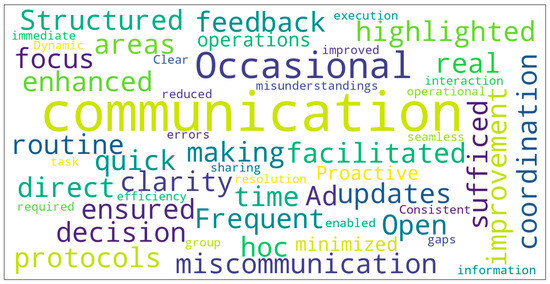
Figure 6. Word cloud analysis highlights key themes in communication and interaction, focusing on information flow and group dynamics.
Table 6 presents the sentiment analysis results of group dynamic dimensions, focusing on five key themes. To conduct the analysis, an assessment of polarity (text tone), subjectivity (degree of opinion expression), and the frequency of key terms in the text was performed. At the same time, very slight differences in polarity and subjectivity were observed. It can be highlighted that the most dominant theme is “Power and Control”, indicated by the highest frequency of key terms. Such results emphasise the importance of leadership and authority in operational situations. In contrast, “Communication and Interaction” and “Interpersonal Attraction and Cohesion” clearly highlight the significance of communication, trust, and cohesion in teamwork. Further analyses reveal that “Social Integration” and “Influence and Group Culture” distinctly emphasise adaptation, shared values, and team identity as key success factors. The analysis indicates a stable and cohesive group environment focusing on effective communication, flexible leadership, and mutual support among team members (Table 6).
Table 6. Sentiment analysis results of the group dynamic dimensions.
In further analyses, interpersonal cohesion, which refers to emotional bonds and attraction among team members, was examined (Table 6 and Figure 7), highlighting that it is indispensable for achieving high morale, team harmony, and operational efficiency. The analysis results indicate that the average frequency of this theme is approximately 80%, ranging from 70% to 85%. These findings underscore the significant importance and pervasive nature of this theme in group dynamics.
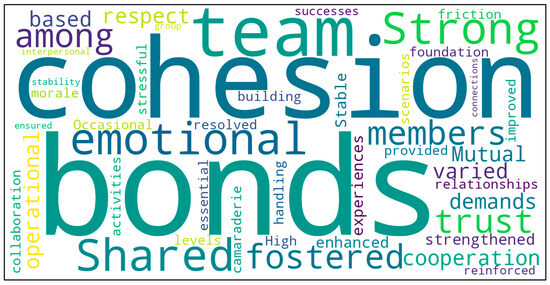
Figure 7. Word cloud analysis highlights key themes in interpersonal attraction and cohesion, focusing on group members’ emotional bonds and connections.
In the analysed responses, key terms such as “camaraderie”, “trust”, and “emotional bonds” emphasise that interpersonal connectedness plays a central role in building team solidarity. Accordingly, strong bonds among team members enhance morale and help overcome challenging situations, such as disasters.
In situations where the team faces stressful or complex tasks, emotional connectedness allows members to rely on one another, reducing feelings of isolation and increasing team resilience. This mutual support further encourages creative solutions and collaboration, improving decision-making and strategy implementation.
The results also show that occasional conflicts or tensions were often resolved through structured team-building activities, such as joint exercises, discussions, or informal gatherings. These activities helped restore favourable relationships, reduce stress, and strengthen mutual trust. For example, simulations or problem-solving exercises in controlled environments boost confidence and increase team members’ emotional connectedness.
Additionally, it was found that shared experiences, particularly those involving the successful completion of tasks, further reinforced emotional bonds and group stability. When the team shares moments of success, a sense of collective identity and belonging develops, further strengthening mutual loyalty. Consequently, this type of connectedness, driven by shared values and goals, ensures the team’s long-term stability, even when facing changes such as the arrival of new members or challenges requiring adaptation (Figure 7).
The next dimension examined in this study focused on social integration and the mutual influence of group members. It can be stated that social integration and mutual influence are essential for maintaining group harmony, productivity, and continuous collaboration. The research findings reveal that social integration and mutual influence occur with an average frequency of 75%, ranging from 65% to 85%. Furthermore, key terms such as “group dynamics”, “integration”, and “influence” appeared in the majority of responses (Table 6 and Figure 8). These terms underscore that harmonious relationships within the group are crucial for achieving the group’s shared goals.
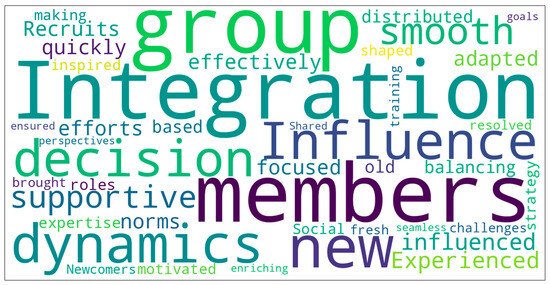
Figure 8. Word cloud analysis highlights key themes in social integration and influences, focusing on how group members integrate and influence one another’s behaviours.
Further analysis indicates that experienced team members play a pivotal role in decision-making, particularly when balancing between senior and new members within the group. Specifically, their ability to transfer group norms, values, and procedures to newcomers preserved group dynamics and enhanced work efficiency. Consequently, it can be emphasised that the rapid adaptation of recruits to existing norms effectively prepares new members to contribute to the team.
Additionally, the results show that occasional integration challenges, such as misunderstandings or disagreements, were often resolved by designing and implementing targeted training and activities to connect group members. These activities reduced tension and significantly strengthened team solidarity and a sense of unity. The arrival of new members brought fresh ideas and perspectives, which directly or indirectly enriched group dynamics. Furthermore, exchanging opinions among members created the conditions for developing innovative solutions to complex tasks.
Based on these findings, it is evident that the exchange of experience and knowledge between experienced and new members results in improved functionality, greater flexibility, and the group’s ability to adapt to changes and new challenges. These results provide clear and sufficient evidence that social integration is one of the key aspects of team cohesion. It enables the successful merging of diverse perspectives, competencies, and experiences, making the team more resilient and prepared to handle complex situations. For this reason, investing in activities that facilitate integration and promote mutual influence can significantly enhance team efficiency and ensure long-term sustainability.
Further analyses examined the group’s distribution of power and control (Table 6 and Figure 9). The results indicate that this distribution oscillates between hierarchical and egalitarian approaches. Such oscillations are driven by the necessity to respond to operational demands and the specific needs of the group’s tactical situation. Furthermore, the findings reveal that this theme was present in an average of 70% of responses, ranging from 60% to 85%, highlighting its crucial role in team dynamics. Terms such as “leadership”, “authority”, and “collective decision-making” frequently stood out, appearing in 70% of responses, which underscores the diverse strategies in leadership and the allocation of responsibilities.
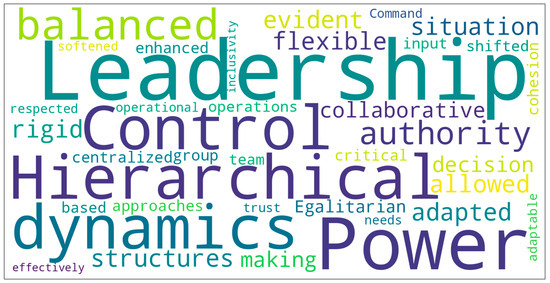
Figure 9. Word cloud analysis highlights key themes in power and control, focusing on the distribution of power within the group, whether hierarchical or egalitarian.
The analysis also revealed that centralised control was essential during critical operations, enabling rapid decision-making and a clear division of responsibilities. In such situations, key decision-makers needed to firmly take control to ensure operational efficiency and minimise the risk of errors. This approach commanded absolute obedience, as illustrated in following interview quote: “If my boss says you’re going into the danger zone, then I’ll march” (Participant ID 7). On the other hand, the study showed that leaders who managed to balance authority with team member inclusion achieved greater long-term cohesion. Specifically, their ability to recognise when to shift from a hierarchical to a participative leadership model allowed the team to adapt to changing environmental demands. And the great thing is, the superiors are right there with you. They’re not sitting somewhere in an office. They get down in the dirt with you. And they’ve got your back. If you’ve got your back. If you’ve got a problem, you can call them at three in the morning and say, “Colonel, I need someone to talk to” and they’ll be there” (Participant ID 2).
Additionally, the findings demonstrated that an egalitarian approach often yielded significant results in strengthening team cohesion and fostering collaboration among members. A deeper interpretation of the results revealed that team members felt empowered, which in turn increased their motivation and contributions. At the same time, it was observed that hierarchical control was indispensable in moments when swift decisions were critical, such as during emergencies. In these circumstances, leaders assumed responsibility for efficiently managing resources, while team members contributed through clearly defined roles.
Furthermore, a more detailed analysis revealed that successful leaders did not strictly adhere to predefined models of power distribution but instead tailored them to the situation’s specifics. For instance, when collective decisions were necessary, leaders encouraged open discussions and actively involved team members, leveraging their knowledge and expertise to inform the process. This approach enhanced the quality of decisions and strengthened trust and a sense of unity within the group.
Considering all these theoretical elaborations, it can be concluded that an adaptable distribution of power and control aligned with the context enables efficient team performance regardless of task complexity. Moreover, balancing authority and participation contributes not only to operational efficiency but also to the team’s long-term resilience and cohesion.
In further analyses, special attention was given to examining group culture, encompassing shared values, norms, beliefs, and behaviours (Figure 10). The research findings revealed that this dimension emerges as a key element of team dynamics, with an average frequency of 85% and a minimum occurrence of 65%. These results confirm its significant role in shaping behaviours and interpersonal relationships within the team. Terms such as “shared values”, “identity”, and “norms” were identified in 85% of responses, further emphasising the importance of group culture in creating a cohesive and productive work environment. Safety is linked to a culture of dedication to one’s own life and survival, personal longevity, and constant awareness of potential risks. Members of the special units sometimes spend twelve days a week, 24 h a day “waiting” for a mission. During this time, they prepare, train, and live together in close quarters, which also strengthens group cohesion. Being a member of the special unit means you are not committed to a 9-to-5 job. On the contrary, “It goes so far that if you are out somewhere privately and you see a stairwell, then you start to think about how you would handle an operation here” (Participant ID 1). Moreover, the possibility that something could happen that would threaten one’s own life is both accepted and managed through maximum focus on the mission. This dimension proved crucial for the team’s stability and resilience, especially in stressful circumstances, such as emergencies. Furthermore, it was observed that traditions and rituals, such as regular debriefings after operations, strengthened the sense of belonging and provided team members with an opportunity to reflect on shared goals and achievements. Such activities, without a doubt, further reinforced collective identity, helping the team better face challenges and remain focused on tasks.
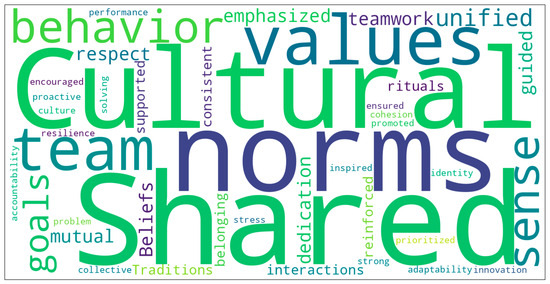
Figure 10. Word cloud analysis highlights key themes in power and control, focusing on the shared norms, values, beliefs, and behaviours that define the group.
In addition to stability, group culture played a pivotal role in adapting to changes. Specifically, in various situations requiring quick decisions or innovative solutions, decision-makers were observed to rely on shared values and norms as a foundation for coordinated decision-making. For instance, it was found that teams often successfully adopted new approaches and strategies precisely because of their strong sense of belonging and shared beliefs. This flexibility not only enhanced work efficiency but also contributed to the team’s long-term sustainability.
Further analysis reveals that shared goals were crucial for maintaining harmony and focus within the team. When all members shared the same values and worked together toward a common goal, their collaboration became more natural and productive. Additionally, this was particularly beneficial in demanding situations that required pressure coordination, where a collective culture enabled the rapid alignment of individual efforts with broader strategic plans.
In conclusion, the findings underscore the crucial role of group culture in promoting stability and adaptability, thereby establishing it as a cornerstone of effective team dynamics. Its ability to integrate diverse perspectives and provide a strong foundation for decision-making ensures not only the team’s immediate efficiency but also its long-term resilience and sustainability. Leaving the special unit was often linked to starting a family. Complete dedication and adherence to this indispensable focus were no longer possible. Instead, fear and insecurity took over. Staying true to this organisational culture requires maximum focus and sacrifice for the job.
Related to research question one, which focuses on operational risks subjectively perceived by special police forces in high-risk situations, we explored and categorised subjectively experienced risks by officers in ad hoc operations. The perceived operational risks can be classified under (a) situational dynamics and (b) high-risk starting conditions. Situational dynamics incorporate factors such as unforeseen events, failed de-escalation attempts, underestimated initial conditions, complex scenarios, uncertain or incomplete information, and emotionally charged situations. In addition, high-risk starting conditions played a role, including the presence of armed suspects, suspects in possession of explosives, or dangerous environments, such as dense forests. Regarding the interview question, “How risky was the situation?”, participants rated the level of risk as ranging from manageable to very high. Additionally, high-risk scenarios were identified by 60% of participants, particularly those involving armed adversaries, explosives, or hostage situations (e.g., Participants 1, 6, and 8). In contrast, 30% assessed the risk as moderate, citing situational dynamics or manageable threats. Furthermore, only 10% perceived the risk as low, primarily during structured and well-prepared operations. These findings indicate that most participants operated in environments where risks were substantial and required careful management (Table 7).
Table 7. Results of analysis on dimensions of risk and retrospective assessment in high-risk operations.
Moreover, “Emotional states” among participants ranged from heightened focus and determination to anxiety and nervousness, reflecting the diverse nature of the scenarios. Half of the participants (50%) reported heightened focus or confidence, attributing these feelings to prior training and preparation (e.g., Participants 5 and 7). In contrast, 30% experienced mixed emotions, such as nervousness and stress, particularly in emotionally charged or high-stakes operations (e.g., Participants 4 and 8). The remaining 20% described calm yet alert states, emphasising adaptability and readiness. This distribution underscores the role of training and leadership in moderating emotional responses.
Regarding the third research question concerning the influence of risk perception on safety in high-risk operations and the role of training, we begin by presenting the perceived dimensions of risk as reflected in the subjective retrospective assessments of experienced high-risk operations. The data suggest that the perceived likelihood of adverse outcomes varied among participants. Forty per cent assessed the likelihood as high, particularly in scenarios involving unpredictable adversaries or chaotic environments (e.g., Participants 1 and 6). Fifty per cent noted a moderate probability, highlighting the importance of proper coordination and execution in mitigating risks. Only 10% perceived the likelihood as low, generally in structured operations with effective communication. These findings emphasise the variability of risk perception based on situational complexity and preparation (Table 7).
Another significant result is that participants identified potential outcomes ranging from operational delays to severe casualties. Half of the participants (50%) highlighted severe consequences, such as significant injury or loss of life, in armed conflict or high emotional stakes (e.g., Participants 1, 6, and 8). Another 30% cited operational compromises, such as mission failure or delays. The remaining 20% described manageable outcomes, often attributed to effective planning and execution. These findings emphasise the importance of proactive risk management in minimising severe consequences (Table 7).
Expanding on these findings, participants identified several overlooked elements, including adversary behaviour, environmental cues, and team dynamics. Sixty per cent emphasised key areas for improvement, such as recognising early warning signs (e.g., Participant 3) or subtle ecological factors. Thirty per cent highlighted minor operational details that could have enhanced efficiency. Only 10% reported no significant oversights, primarily in well-executed scenarios. These observations underscore the need for heightened situational awareness and improved monitoring. Last but not least, in retrospective assessments, 50% of participants acknowledged underestimating risks initially (e.g., Participants 1, 4, 6, and 10). Thirty per cent believed their assessments were accurate at the time but noted the potential for refinement in hindsight (e.g., Participant 3). The remaining 20% found alignment between their initial perceptions and actual outcomes. These findings highlight the dynamic nature of risk perception in complex environments, underscoring the importance of flexibility in assessments (Table 7 and Figure 11).
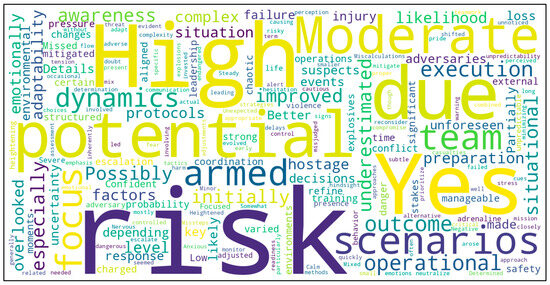
Figure 11. Word cloud analysis on dimensions of risk perception and retrospective assessment in high-risk operations.
The quantitative analysis of participants’ responses across seven categories highlights significant differences in how risks are perceived and assessed, shaped by situational factors and operational contexts. High-risk situations were most commonly associated with unpredictable conditions, while structured and well-planned operations were found to mitigate these risks effectively. Emotional responses, the inclination to revise decisions, and retrospective evaluations further emphasise the importance of comprehensive training, heightened situational awareness, and adaptability in high-risk environments.
In further research, we conducted sentiment analysis encompassing seven key thematic dimensions. The results indicate that all observed dimensions related to risk perception exhibit a positive sentiment. The dimension “Emotional State” stands out the most, given its highest keyword frequency (36). This result highlights the participants’ focus on emotional reactions during police operations. On the other hand, the dimensions “Decision Revision” and “Things That Should Have Been Noticed” show high keyword frequency values (27 and 25), underscoring the significant importance of decision adjustments and situational awareness. Furthermore, it was determined that the dimensions “Risk Level Assessment” and “Potential Consequences” have slightly higher polarity values (0.126 and 0.123), which may indicate their association with critical risks and potential consequences. At the same time, the dimensions “Likelihood of Adverse Outcomes” and “Danger Reassessment” emphasise the need for precise evaluation and reassessment of risks. The analysis reveals a consistent positive sentiment across all dimensions, reflecting an optimistic yet reflective approach to risk management in critical situations (Table 8).
Table 8. Sentiment analysis results of dimensions of risk perception and retrospective assessment in high-risk operations.
Concerning the second research question examining how group dynamic factors influence safety and the management of high-risk police operations, we further explored group-relevant subcategories and their frequency within the data, alongside conducting sentiment analysis. This analysis reveals that teamwork proved to be a cornerstone of success in operational settings, with all participants emphasising its pivotal role in achieving objectives. Therefore, it can be said that trust among team members emerged as a critical factor, noted in 90% of responses, underscoring the importance of strong interpersonal bonds. Synergy within the group facilitated effective responses to unforeseen challenges, as highlighted by 80% of participants. While collaboration was the dominant driver of success, 20% of reactions also acknowledged the significance of individual contributions in specific scenarios. For this reason, these findings reinforce the need to cultivate collective efforts and particular expertise to maximise team performance in high-pressure situations (Table 9).
Table 9. Results of the analysis on group dynamics and decision-making processes in high-risk operations (covering variables (a) to (f)).
Secondly, we identified that clear and consistent communication was vital to successful operations, with structured protocols cited in 85% of responses. In addition, real-time updates and concise exchanges enabled efficient information sharing in dynamic contexts, as reported by 70% of participants. However, occasional communication breakdowns were noted in 20% of responses, particularly during high stress, disrupting coordination. All in all, we could say that these insights underscore the critical role of proactive communication in maintaining alignment during complex tasks and highlight areas where enhanced clarity and adherence to protocols could reduce disruptions (Table 9).
On the other hand, decision-making approaches varied across operations, with hierarchical strategies dominating in 60% of cases and collaborative approaches noted in 40%. Hierarchical decision-making was particularly prevalent during critical moments that required swift and decisive action, often guided by commanders. In contrast, collaborative methods proved effective when team input led to adaptive and comprehensive solutions. Reactive decision-making, reported by 10% of participants, reflected the necessity for flexibility in unpredictable situations. These findings suggest that balancing hierarchical leadership with collaborative engagement enhances decision quality and adaptability (Table 9).
Further research shows that managing emotions is crucial in maintaining focus and resilience during operations. It has been identified that mutual support and camaraderie were highlighted by 75% of participants as essential for mitigating fear, stress, and tension. Leadership confidence contributed to emotional stability in 50% of individuals, particularly in high-pressure scenarios. However, 30% of participants reported heightened anxiety and nervousness in emotionally charged situations, which were alleviated through team solidarity and a focus on shared goals. Pride in collective achievements, noted by 20%, further reinforced motivation and emotional stability, emphasising the value of shared success in managing group emotions (Table 10).
Table 10. Sentiment analysis results of key themes in power and control, focusing on the shared norms, values, beliefs, and behaviours that define the group.
Secondly, operational situations were predominantly managed through structured and proactive strategies, as indicated in 90% of responses. In addition, standardised protocols were cited by 70% of participants as instrumental in streamlining operations and minimising disruptions. Furthermore, reactive strategies were employed by 20%, particularly in scenarios requiring immediate adaptation to evolving conditions. Additionally, 10% of participants highlighted using innovative or ad hoc adjustments to address unique challenges. These findings demonstrate the importance of proactive planning while emphasising flexibility in dynamic environments to ensure operational continuity and success (Table 10).
Finally, we found that all participants unanimously agreed that critical situations required collective efforts, emphasising the indispensability of teamwork in overcoming challenges. Group coordination and shared expertise were identified as essential by 80% of participants, particularly in high-risk operations. Individual efforts were deemed insufficient in 90% of cases, with participants underscoring the value of group synergy in managing complex scenarios and mitigating risks. These results highlight the need to foster strong group dynamics and collaborative problem-solving to optimise performance in critical situations (Table 10 and Figure 12).
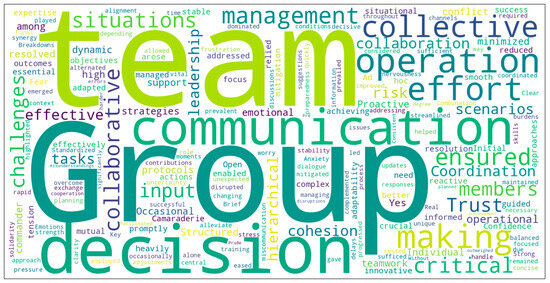
Figure 12. Word cloud analysis highlights key themes in group dynamics and decision-making processes in high-risk operations.
Analysing the results further, we conducted an additional sentiment analysis focusing on seven key thematic dimensions of group performance. According to the obtained results, it was determined that a positive sentiment characterises all analysed dimensions. Notably, “Teamwork within the group” stands out with the highest keyword frequency (15), highlighting the participants’ strong emphasis on collaboration and group cohesion. Similarly, the dimensions “Situation management” and “Emotions within the group” recorded keyword frequencies of 14 and 13, respectively. These findings confirm the importance of effective situation handling and emotional dynamics in group processes. Additionally, the dimensions “Communication” and “Could the group handle critical situations?” achieved a keyword frequency of 12, underlining the importance of clear information exchange and the group’s ability to act under pressure. Furthermore, it was identified that “Decision-making (how and by whom)” shows a slightly lower frequency (11), which could suggest that the decision-making process was present but less central to the discussion. Overall, the analysis indicates a consistently positive sentiment, with polarity ranging from 0.085 to 0.165 and subjectivity between 0.505 and 0.535 (Table 10).
In further analyses, we determined that adding new colleagues often revitalised team motivation and introduced fresh perspectives, as noted by 80% of participants. Conversely, while minor disruptions during these transitions were reported in 30% of responses, they were generally manageable through targeted training and careful role adjustments. Conversely, the departure of experienced members occasionally created skill gaps, affecting team cohesion in 20% of cases. Nonetheless, the group demonstrated resilience and adaptability, with new members eventually strengthening the team’s expertise. These findings highlight the importance of striking a balance between integrating new talent and preserving team dynamics (Table 11).
Table 11. Results of the analysis on group dynamic dimensions (covering variables (g) to (p)).
Our results reveal that membership changes, whether through departures or new additions, sometimes disrupt internal dynamics, with 40% of participants reporting strained relations during transitional phases. However, enhanced training efforts and improved interaction facilitated recovery, resulting in stronger group cohesion in 60% of cases. Bridging generational gaps and realigning roles presented challenges but also created opportunities for innovation and growth, testing leadership adaptability (Table 11).
Furthermore, proximity and regular interaction were consistently recognised as critical for operational success, with 90% of participants emphasising their importance. Physical closeness enhanced situational awareness and mutual understanding, enabling rapid responses during emergencies and improved risk management. Close relationships also minimise misunderstandings under pressure and foster trust, reinforcing safety and collaboration. These findings highlight the pivotal role of close contact in maintaining efficiency and cohesion during operations.
Moreover, hierarchy played a significant role in decision-making and operational coordination, with 70% of responses underscoring its importance in high-pressure scenarios. Clear authority lines enabled decisive actions, while flexibility within hierarchical roles facilitated adaptability to evolving situations. Leadership style influenced team confidence, and hierarchical dynamics proved most effective during critical moments, striking a balance between authority and collaborative input. Conversely, the operational command was predominantly centralised, with 60% of responses emphasising the commander’s role in directing activities. In 40% of cases, decision-making incorporated team input, reflecting a balanced approach that combined leadership authority with collaborative insights. This dual structure supported adaptability to operational demands while ensuring coordination and efficiency under pressure (Table 11).
Furthermore, we found that accountability was primarily shared, with 50% of responses attributing failures to leadership, often as a means to shield the team from external scrutiny. Meanwhile, 30% highlighted collective responsibility, where leadership and team members analysed mistakes to improve future outcomes. Transparent accountability practices fostered trust in leadership and contributed to the group’s resilience, reinforcing its ability to adapt and learn from setbacks. Moreover, recognition was valued by 80% of participants, as it boosted team cohesion, personal motivation, and engagement. Although rarely actively sought, acknowledgement of individual contributions—especially during debriefings or informal gatherings—enhanced morale and reinforced confidence. This practice strengthened trust within the team, ensuring continued commitment to shared goals (Table 11).
The results also revealed that selection processes are primarily focused on physical and mental aptitude, with 70% of participants emphasising traits such as trustworthiness, operational experience, and teamwork skills. Compatibility with the team and alignment with group values were also critical considerations, ensuring a balanced and cohesive team composition. Conversely, collaboration and mutual trust emerged as the group’s greatest strengths, noted by 80% of participants, as they minimised operational risks and enhanced overall performance. Vulnerabilities, including skill disparities, communication gaps, and overreliance on specific individuals, were identified in 30% of responses. Resilience was bolstered through ongoing training and leadership cohesion, while the identified vulnerabilities underscored the importance of improved coordination during periods of high turnover or transitions (Table 11 and Figure 13).
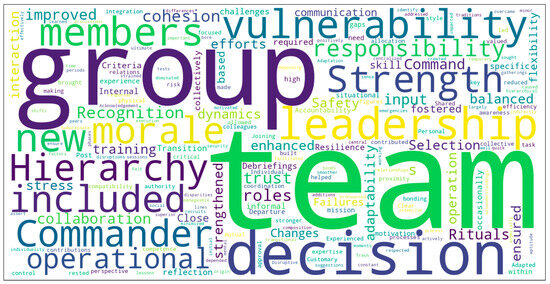
Figure 13. Word cloud analysis highlights key themes in group dynamics dimensions.
Finally, we found that post-operation rituals, such as debriefings and informal gatherings, were highlighted in 90% of responses as essential for team bonding and continuous improvement. Structured reflections facilitated the processing of high-stress events and the identification of lessons learned, while celebratory rituals boosted morale and reinforced cohesion. These practices balanced operational feedback with emotional support, contributing to the long-term stability and effectiveness of the team (Table 12 and Figure 13).
Table 12. Sentiment analysis results of key themes in group dynamic dimensions (covering variables (g) to (p)).
Further sentiment analysis determines that the dimension “Impact of new/old colleagues” shows a polarity of 0.12 and the highest subjectivity of 0.52, with a keyword frequency of 14. This result highlights the positively perceived impact of new members who bring fresh perspectives despite minor initial challenges caused by the departure of more experienced members. Furthermore, similar positive values were observed for the dimension “Changes in the group” (polarity 0.11, subjectivity 0.51, frequency 13).
Next, the dimension “Role of close contact” (polarity 0.13, frequency 12) shows that physical proximity enhances emergency safety and awareness. In contrast, “Role of hierarchy” demonstrates a balanced sentiment (polarity 0.115, subjectivity 0.515, frequency 11), emphasising the importance of clear organisation with the necessary flexibility. Furthermore, it was determined that the dimension “Command during operations” (polarity 0.125, subjectivity 0.53, frequency 13) confirms the key role of leadership, with occasional team contributions that build trust. A positive sentiment was observed for the dimension “Responsibility for failure” (polarity 0.118, subjectivity 0.518, frequency 12), where leaders assumed responsibility and supported collective error resolution.
In addition, further analysis reveals that the dimension “Need for recognition” (polarity 0.127, frequency 12) highlights the motivational power of recognition, although some individual contributions are occasionally overlooked. “Criteria for joining the group” (polarity 0.121, subjectivity 0.522, frequency 11) emphasises the importance of selecting members based on expertise and trust.
Furthermore, the dimension “Group strengths and weaknesses” was found to have a balanced sentiment (polarity 0.113, subjectivity 0.517, frequency 10). While the group benefits from collaboration, it remains vulnerable due to skill disparities and member turnover. Lastly, “Rituals after operations” (polarity 0.122, subjectivity 0.523, frequency 13) confirm the importance of post-operational sessions and informal gatherings in strengthening morale and improving team performance. The overall analysis reveals a positive sentiment, with polarity ranging from 0.11 to 0.13 and subjectivity ranging from 0.51 to 0.53. The results highlight a balance between authority and collaboration, as well as a reflective approach to overcoming challenges and strengthening the team (Table 12).
4. Discussion
This comprehensive study determines that effective communication and high-quality interaction among members of special units are key factors in decision-making and risk management during operations. Participants emphasised that clear expression, mutual trust, and good coordination are crucial for minimising errors and ensuring quick responses in high-risk situations, with 76% of respondents highlighting the importance of these elements. Further analyses reveal that key terms such as “clarity”, “connection”, and “collaboration” appeared in 85% of responses, further confirming the significance of information exchange within the team for operational success. This effect is particularly evident in complex operations, where timely coordination and uninterrupted information flow enable more precise assessments and better decision-making [84,85,86,87,88,89,90,91,92,93].
These findings can certainly be interpreted through the lens of group dynamics theories [94,95,96,97,98,99,100,101], which emphasise that intensive communication fosters more effective collective decision-making and enhances team cohesion [102,103]. In high-pressure operational contexts, rapid information transmission reduces the risk of misunderstandings and increases the likelihood of task completion [104,105]. Based on the results of similar research, it can be stated that these conclusions align with previous studies, which indicate that teams with well-defined communication protocols achieve lower error rates and greater efficiency in crises [106,107,108].
Further research reveals that in addition to communication, participants emphasised team cohesion as a crucial factor in managing stress and making decisions. Specifically, around 80% of respondents indicated that strong emotional bonds and mutual support enhance operational capabilities, while 75% emphasised the importance of social integration and mutual influence. It can be assumed that more experienced unit members played a key role in adapting new team members, and their ability to transfer operational norms and values further strengthened team cohesion [109,110,111]. Such tendencies can be explained by social identification theory [112,113], which suggests that members of more connected groups exhibit greater confidence, assess situations more accurately, and make more effective decisions [114,115]. Research in police and military psychology also suggests that teams with high social cohesion show greater resilience to stress and a higher ability to respond synchronously in unpredictable, high-risk circumstances [116,117]. When team members are well-coordinated, they can adapt quickly to situations that significantly improve [118].
The analysis reveals that power structures and leadership styles vary according to the specific operational situation. In urgent and high-crisis situations, centralised control dominates to facilitate rapid decision-making and clearly defined roles, whereas in less urgent operations, a more participatory approach is often utilised [119,120]. The hierarchical command model proved effective in scenarios requiring risk reduction and accelerated operational decision-making, while a more flexible, egalitarian approach was more beneficial in situations requiring greater adaptability and team creativity [121,122]. These findings can be explained through the theory of adaptive leadership, which emphasises that successful leaders recognise when centralising power is necessary for efficiency and when responsibility can be delegated to leverage the collective intelligence of the team [123,124,125,126,127]. Previous crisis management research confirms that rigid hierarchical models may be inadequate in dynamic operations that require rapid adaptation to changing circumstances [128,129,130,131].
Significant variations in risk perception were observed, influenced by both experience and operational complexity. Most respondents (60%) assessed certain operational situations as highly risky, particularly those involving armed adversaries, explosive devices, or hostage crises. Meanwhile, 50% of participants reported maintaining emotional stability and high focus levels during operations, attributing this to prior training. In comparison, 30% reported a combination of stress and increased concentration. The obtained results support the theory of cognitive load [132,133,134,135,136], which suggests that the ability to assess risk is directly linked to previous experience and level of training. Police and military operatives who have undergone scenario-based training develop the ability to respond automatically to recognised threats, thereby reducing subjective risk perception and increasing decision-making speed [137,138,139,140]. Previous studies indicate that operatives with more intensive training exhibit lower levels of anxiety in crises, as they possess pre-defined mental models for problem-solving [56,58,141,142].
Interestingly, retrospective risk assessments varied: half of the participants admitted to initially underestimating certain dangers, 30% believed their assessments were accurate but could have been improved with additional experience, and around 20% stated that their initial assessments were entirely in line with the actual outcomes of operations. Accordingly, it can be concluded that training, team dynamics, and adaptive leadership are key factors in improving the operational efficiency of special units [57,143,144,145,146,147]. Enhancing scenario-based training, improving communication protocols, and continuously monitoring risk perception can significantly reduce operational errors and enhance security in high-risk situations [148,149,150,151,152].
Pearson’s correlation and additional analyses show a strong link between risk perception and decision-making effectiveness. Greater awareness of potential dangers enables operatives to make quicker, more precise decisions in stressful situations [153,154,155,156], develop stronger cognitive strategies [157,158,159], anticipate outcomes, and react rationally, even under significant time pressure. This ability becomes crucial in crises where the consequences of decisions are severe.
High-quality decision-making is closely linked to team cohesion. Coordinated units achieve faster, more effective solutions through open information exchange, significantly reducing individual stress and fostering collective responsibility. Accordingly, teams with high cohesion naturally develop trust and a sense of belonging, contributing to better crisis management and reduced operational errors.
Furthermore, the analysis reveals that training is key to strengthening team cohesion. Intensive, scenario-based training not only improves individual skills but also enhances the collective dynamics of the team. Operatives who undergo demanding training together develop greater confidence in their colleagues, enabling them to adapt more effectively to stressful situations and reduce the likelihood of inadequate reactions. The connection between risk perception and emotional stability further shows that operatives with higher risk awareness are less prone to panic and better manage their emotional responses. When individuals are better prepared to recognise and understand threats, their sense of uncertainty decreases, while their resilience to stress increases [160]. This aspect is particularly significant in special units, where psychological stability plays a crucial role in the effectiveness of operational decisions and minimising errors in critical moments [161,162,163].
Interestingly, teams with greater risk awareness also demonstrated stronger internal cohesion. This suggests that awareness of threats encourages active collaboration and information sharing to collectively mitigate risks and enhance overall operational efficiency [164,165,166]. When operatives clearly understand their risks, they are more likely to rely on team support and utilise shared resources to improve safety.
Certain leadership styles have been shown to negatively affect team cohesion. Specifically, rigid and authoritarian approaches can weaken collective support and trust [167,168,169,170] as excessive control creates distance and stifles individual initiative, harming collaboration and operational efficiency [171,172,173,174]. In contrast, more flexible and participatory leadership styles foster open communication and greater team engagement, ultimately improving decision-making quality and operational coordination [175,176,177]. The absence of significant correlations between leadership style and individual factors, such as decision-making effectiveness and emotional state, suggests that these aspects are more closely related to operatives’ experience and training rather than the direct influence of leadership. This finding may indicate that in high-risk situations, teams make key decisions collectively, relying on shared training and operational protocols. Conversely, while the role of the leader remains important, it is not decisive for individual emotional regulation and cognitive processes [178,179,180].
The results indicate that training, team dynamics, and risk perception are key factors shaping operational effectiveness in high-risk situations. Stronger training, better team cohesion, and developed risk awareness contribute to higher-quality decision-making and fewer operational errors [181,182,183,184,185], while authoritarian leadership styles can weaken team collaboration and cohesion [186,187]. These findings emphasise the need for continuous training improvement [55,188], flexible leadership [189], and strengthened team dynamics [190] to enhance the efficiency of special units in crises. The correlations observed between training intensity, group cohesion, and decision-making effectiveness reveal a deeply interconnected dynamic in high-risk police operations. Intensive training does more than boost individual preparedness; it also cultivates deeper team trust and communication, which are key components of agile, effective decision-making in volatile situations. This suggests that training fulfils both a technical and a social-integrative role, reinforcing cohesion that directly improves operational performance.
In addition, the association between risk perception and emotional stability stresses the psychological pressures inherent to the role. Officers who exhibit heightened risk awareness tend to exhibit more stable emotional responses, likely due to increased preparedness, confidence, and cognitive resilience. These findings point to the importance of incorporating emotional regulation techniques into training programmes to complement traditional tactical instruction.
The inverse relationship between hierarchical leadership and team cohesion signals the value of more adaptive, participatory leadership models in critical operations. While structured command remains vital, overly rigid hierarchies can undermine trust, initiative, and collective resilience in high-stress scenarios. These insights suggest that special police units could benefit from fostering leadership practices that prioritise flexibility, shared accountability, and open communication. Taken together, these findings support a comprehensive training philosophy—one that integrates tactical expertise with psychological resilience and collaborative functioning. Embedding such a perspective into police training and institutional culture may not only enhance safety but also increase mission success across a range of operational settings.
Further, the results of qualitative analyses indicate that communication and interaction within teams are key factors in effective decision-making and problem-solving during operations. The frequent mention of the “Communication and Interaction” theme in participants’ responses confirms that clear and direct information exchange reduces the likelihood of errors and improves coordination. Structured communication protocols proved particularly crucial in complex crises, whereas in routine operations, more flexible, ad hoc communication was sufficient to maintain efficiency. These findings align with team dynamics theories, emphasising the importance of coordinated information exchange in preventing misunderstandings and ensuring quick and precise decision-making [191,192,193,194,195].
Further analysis highlights the dominance of terms such as “clarity”, “trust”, and “collaboration” in most responses, indicating that communication quality directly impacts team functioning. Based on this, emotional bonds among team members—team cohesion—stood out as a crucial factor in operational efficiency. Relationships built on trust and mutual support increased resilience to stress and facilitated coping with challenges. As a result, teams that fostered open communication and mutual trust demonstrated higher morale and a greater ability to adapt to unpredictable situations [196,197]
Interpersonal cohesion, referring to emotional bonds and attachment among team members, proved essential in maintaining high morale and team harmony [198,199]. In this context, strong interpersonal connections not only improve the work atmosphere but also enable team members to rely on one another in crisis moments [200,201,202]. Additionally, such cohesion reduces feelings of isolation and increases team resilience [200,201,202,203,204]. Consequently, in complex and stressful situations, this support contributes to more creative solutions and improves decision-making [203,205].
The analysis of power dynamics and control within teams [206,207] reveals that decision-making approaches range between hierarchical and egalitarian models, depending on operational requirements. In critical situations, centralised control dominated, allowing for quick decision-making and a clear division of responsibilities. However, participatory leaders who balanced authority with active team involvement achieved long-term stability and stronger team cohesion. These results support the theories of adaptive leadership, which suggest that the most successful leaders know when to take control and when to rely on the collective intelligence of the team [208,209,210,211,212].
Team culture, encompassing shared values, norms, and beliefs, emerged as a crucial factor in team stability and resilience [213,214]. Team rituals and traditions, such as post-operational debriefings, were particularly significant, as they not only strengthened the sense of belonging but also provided opportunities for reflection on achievements and future goals. These practices further reinforce team identity and help members cope with stress and challenges in dynamic operational conditions [215,216,217].
Risk perception varied significantly among participants, peaking in situations involving unpredictable adversaries, explosives, and hostage crises. Those with greater risk awareness demonstrated better emotional stability, suggesting that understanding threats enables more effective stress management. Emotional reactions ranged from intense focus to strong feelings of anxiety and nervousness, with prior training playing a key role in maintaining focus and confidence. In retrospective analyses, some participants admitted to initially underestimating certain risks, while others believed their assessments were accurate but could improve with additional experience. This phenomenon can be explained by “hindsight bias”, where individuals overestimate their ability to predict outcomes after the fact [218,219]. This led to some participants recognising risk indicators they initially missed, highlighting the need for ongoing operational analysis and strategic adaptation.
Furthermore, teamwork proved to be crucial for success in operational environments, with trust among team members emerging as a key driver of efficiency. Team synergy enabled rapid and effective responses to unforeseen challenges, while a combination of collective efforts and individual expertise further enhanced operational performance [220]. These findings confirm that strengthening team cohesion and expertise is essential for achieving optimal results in high-pressure situations [221]. Communication also emerged as a vital aspect of successful operations, with structured protocols facilitating more efficient information exchange. Timely updates and concise messages improved coordination in dynamic environments, while occasional communication breakdowns in stressful moments underscored the need for further improvements in protocols and guidelines [222,223,224,225].
It is important to acknowledge certain limitations of this research: (a) The sample size is relatively small, consisting of semi-structured interviews. Consequently, the findings may not fully represent the diversity of experiences within special police units, which could affect their overall representativeness. (b) While qualitative methods provide valuable in-depth insights into operational risks and team dynamics, their results are typically less applicable on a broader scale compared to quantitative research. (c) There is potential for bias in self-reported data. Participants may, even unintentionally, emphasise certain aspects of their experiences or offer subjective interpretations of operational situations. (d) The study focuses solely on Austria’s special police unit, EKO Cobra. Therefore, its findings may not be directly relevant to other law enforcement units, especially those with different training structures, tactical procedures, or operational frameworks. (e) Additionally, the study does not thoroughly address the impact of modern technologies on risk perception and decision-making, suggesting a need for further research in this area. (f) The research was carried out within a limited timeframe, which may have affected participants’ responses depending on the operational challenges and events occurring at that time. (g) Cultural and organisational factors were not examined in detail, despite their significant influence on team dynamics and perceptions of risk within various special units. (h) The study does not adopt a longitudinal approach, meaning it does not track how leadership evolves or impacts team cohesion and decision-making efficiency over time. (i) Finally, the analysis of individual factors remains incomplete. In addition, one notable limitation of this study lies in the absence of gender diversity among participants, as all ten interviewees were men. This outcome mirrors the current organisational structure of EKO Cobra, where no women serve in operational roles. While this issue was initially acknowledged, we now place greater emphasis on its possible ramifications: a sample composed exclusively of men may subtly shape the findings, particularly regarding perceptions of risk, styles of communication, and group dynamics—areas that are especially relevant in high-pressure settings where leadership and cohesion are crucial. Going forward, research should examine how gendered perspectives influence behaviour, interpersonal interactions, and psychological responses within elite police units, especially as the presence of women grows within security professions. Personality traits, stress levels, and professional experience can all significantly affect decision-making in high-risk situations, and future research could investigate these aspects more thoroughly.
Recommendations
Based on the findings of this research, several concrete recommendations can be formulated to improve risk management and operational safety in complex ad hoc operations (Table 13). The categorisation of operational risks should be systematically integrated into training and educational programmes. In particular, the physical, psychological, and operational risks identified in the study should be incorporated into training scenarios. These scenarios should be regularly updated and adapted to current challenges and developments to provide operational forces with a realistic picture of potential dangers. Another essential step is the continuous improvement of training in risk perception. Training programmes should increasingly focus on developing skills for the early detection of danger and accurate risk assessment. Specifically, tailored modules aimed at perceiving and assessing risks in high-stress situations should be integrated to better prepare forces for extraordinary and unexpected situations.
Table 13. Comprehensive recommendations for enhancing operational efficiency and team dynamics.
Trust and group cohesion are shown to be crucial for success, mutual understanding of non-verbal communication, and effective cooperation. Therefore, it is recommended that missions be carried out with teams accustomed to training together. In interdisciplinary collaborations, regular joint training and exercises are indispensable to improve coordination between different units. These exercises should aim to test and further develop leadership processes in complex operational scenarios. Incorporating feedback loops is essential to continuously learn from the exercises and adjust leadership and decision-making processes accordingly. Furthermore, a systematic improvement process should be established to regularly collect and evaluate feedback from operational forces. Such feedback can provide valuable insights into the practical challenges and weaknesses of current training and operational strategies. Based on these insights, targeted adjustments should be made to optimise training methods and risk management strategies.
Finally, the holistic training approach should be maintained and further developed. Combining theoretical knowledge with practice-oriented training should be complemented by additional projects and initiatives aimed at strengthening awareness of human rights, community engagement, and ethical behaviour. This integrative approach not only enhances operational effectiveness and safety but also encourages responsible behaviour when dealing with the public. A summary of all other recommendations is detailed in Table 13, providing a comprehensive overview of actionable strategies.
5. Conclusions
This study offers a thorough examination of the key factors influencing operational safety during high-risk police missions, with a particular focus on the Austrian special police unit, EKO Cobra. Drawing on qualitative insights from literature reviews, structured interviews, and informal discussions, the research delves into how risk categorisation, perception, and training intersect within dynamic and often unpredictable operational environments.
The findings highlight the complexity of risks encountered in ad hoc operations, emphasising the physical, psychological, and logistical challenges that demand customised strategies for effective management. Categorising risks into these specific dimensions allows for a deeper understanding of the hurdles faced in the field and supports the implementation of targeted safety measures. Legal frameworks and professional standards underpin safe, ethical interventions, ensuring adherence to procedural guidelines that protect both officers and the public.
In contexts where rapid decision-making is critical, comprehensive training emerges as a cornerstone of operational readiness. Combining theoretical knowledge with practical, scenario-based exercises equips officers with the skills necessary to effectively identify and respond to potential threats. Austrian policing exemplifies this approach through programmes like “Polizei.Macht.Menschen.Rechte” (P.M.M.R.), which integrates human rights and community engagement into core training modules. These initiatives foster not only operational competence but also a strong sense of social responsibility.
One of the study’s key contributions is its focus on modular competency training (MKT), which sharpens officers’ risk perception. By integrating intensive drills, MKT enables the development of automatic responses in high-stress situations, thereby enhancing safety for all involved. Additionally, the research underscores the importance of socio-psychological factors—such as group dynamics, risk perception, trust, and communication—which significantly influence decision-making during critical missions. Adaptive and inclusive leadership further strengthens team cohesion and operational effectiveness.
The study also identifies areas requiring advancement, particularly in the adoption of modern technologies, like drones and advanced communication systems, to enhance risk assessment and operational efficiency. Furthermore, it stresses the importance of addressing intercultural and international aspects of policing. In an increasingly globalised world, fostering cultural sensitivity and international cooperation is vital for preventing miscommunication and improving collaborative efforts.
While this research provides valuable insights into risk categorisation, training, and leadership, it also acknowledges certain limitations, particularly the underexplored role of technology and the impact of international collaboration. Broadening these areas of inquiry will further enrich understanding of operational safety and assist law enforcement agencies in adapting to evolving challenges.
Additionally, this study offers practical strategies for improving safety in ad hoc policing scenarios. By bridging theoretical knowledge with practical application and holistic training approaches, its findings are not only relevant to elite units such as EKO Cobra but are also adaptable to broader law enforcement contexts. Furthermore, this study sheds important light on the psychosocial and organisational factors that shape safety and decision-making in high-risk police contexts. The findings underscore the vital role of intensive training, strong group cohesion, and adaptive leadership in driving operational success. Embedding these components into both training regimes and organisational culture can play a key role in bolstering the resilience and effectiveness of elite police units.
On a practical level, the results advocate for training programmes that extend beyond technical proficiency to include emotional regulation, collaborative exercises, and the development of situational awareness. Encouraging more flexible leadership styles may also help reinforce team cohesion and improve risk management under pressure.
Although this study is grounded in the specific context of Austrian policing, its core findings are transferable to broader international settings. Challenges such as risk perception under uncertainty, management of situational dynamics, group cohesion, and organisational resilience are common across law enforcement and emergency services worldwide. European policing contexts—with comparable legal, institutional, and cultural frameworks—may particularly benefit from the study’s insights, which can inform training programmes, leadership practices, and strategic development. Beyond the policing domain, the findings are relevant to various non-police sectors where teams must make rapid decisions under uncertainty, including disaster management, emergency response, military or peacekeeping operations, and industries such as aviation or offshore drilling. In all these high-stakes environments, the study’s insights on specialised police units offer valuable perspectives on performance coordination and resilience.
Looking ahead, further research is needed to examine gender-related dynamics within such units, assess the long-term effects of training innovations, and gather comparative data from other countries or elite forces. Adopting a multi-method research strategy that blends qualitative insights with experimental approaches could enrich the evidence base for advancing safety practices in high-risk policing environments.
Author Contributions
R.R. and N.L. conceived the original idea for this study and developed the research design and questionnaire. N.L. carried out the data collection and transcribed the interviews. R.R. made a significant contribution by drafting the introduction, and V.M.C. and R.R. composed the conclusions. R.R. and V.M.C. critically analysed and interpreted the data and contributed to the revision and finalisation of the manuscript. All authors have read and agreed to the published version of the manuscript.
Funding
This research received no external funding.
Institutional Review Board Statement
The study was conducted according to the guidelines of the Declaration of Helsinki and approved by the Institutional Review Board of the Scientific–Professional Society for Disaster Risk Management and the International Institute for Disaster Research (protocol code 005/2024, 15 May 2024).
Informed Consent Statement
Informed consent was obtained from all subjects involved in the study. The research was approved in advance by the Federal Ministry of the Interior, Section I—Presidium, Department I/A/5—Security Academy, Institute for Science and Research.
Data Availability Statement
Data is contained within the article.
Acknowledgments
The authors acknowledge the use of Grammarly Premium and ChatGPT 4.0 in the process of translating and improving the clarity and quality of the English language in this manuscript. The AI tools were used to assist in language enhancement but were not involved in the development of the scientific content. The authors take full responsibility for the originality, validity, and integrity of the manuscript.
Conflicts of Interest
The authors declare no conflicts of interest.
Appendix A
Central Introductory Question:
Please tell me how you experienced your operations in this special unit and how you handled critical situations. Speak entirely from your perspective; there is no right or wrong answer, I’m only interested in your personal experience.
Question 1: Main Question
Please describe how these critical situations came about. How did you experience them?
Risk Perception:
a. How risky was the situation?
b. Describe your emotional state at the time? (Effects)
c. How likely was it that things could have gone wrong?
d. What could have happened? (Consequences)
e. Looking back, would you have revised your decisions in that situation? Which ones? (Risk perception)
f. Would you say, in retrospect, that there were things you should have noticed? What were they? (Risk perception)
g. Looking back, would you have assessed dangers or situations differently than they appeared at the time? (Risk perception)
Group Dynamics—Interaction:
a. How did you experience teamwork within the group?
b. How was communication handled?
c. How were decisions made? (How and by whom)
d. What emotions arose within the group? (Fear, uncertainty, worry, etc.)
e. How was the situation managed/not managed?
f. Do you think the critical situations could only have been handled by the group?
g. How did you feel when new colleagues joined or old colleagues left the group? (Group dynamics)
h. From your perspective, what changed within the group when new members joined or others left? (More intensive training, internal relations, disruptive factors, improved interaction/communication, disruptions—commander)
i. What role did close contact with your group play? (Safety) (Communication/Interaction)
j. Did the hierarchy level (subordinate/superior relationship) play a role during the operation? (Social integration)
k. Who was in command during the operation, or were decisions made collectively by the group? (Control)
l. If an operation had gone wrong, who would have taken responsibility? (Control)
m. Did you feel the need to find a place within the group to be heard and recognised? (Social integration)
n. How did you or how is it generally customary to join a group? Who decides which group one belongs to? Are you aware of any criteria? (Social integration)
o. Where do you believe the greatest vulnerability or strength of a group lies? (Vulnerability/Resilience)
p. Were there any rituals or traditions after an operation that you performed to process what had happened? (Culture)
Sub-questions/Follow-up Questions
What do you consider to be critical events during operations, and how would you describe them?
(a) In your opinion, what are the most significant mistakes that can be made during critical events? (Error culture)
(b) What do you think were the decisive factors for the positive or negative outcome of a critical event? (Risk)
(c) In hindsight, where do you see the greatest potential or benefit for future operations in dealing with critical events? (Error culture)
Question 2: Main Question
How was the group you were in, or were there several groups, led?Leadership style/Group dynamics
(a) Was the leadership more authoritarian, or was it oriented towards the group’s needs? You can distinguish between during and outside of operations. (Communication/Interaction)
(b) Were interpersonal aspects between the commander and group members advantageous/disadvantageous in terms of communication? (Interpersonal)
(c) Did prior acquaintanceship between the commander and group members influence the commander’s leadership style? (Control)
(d) Could you or the group decide freely how to act in operational situations, or were there guidelines? (Control)
(e) How important was the group at the time of the operation and afterwards? (Social integration, interpersonal attraction)
(f) Did specific group members emerge with certain skills, who then took on specific tasks and became problem solvers? (Group dynamics)
(g) How do you think group cohesion was fostered? (Culture)
(h) Were operations discussed afterwards? Were mistakes identified, and how did you perceive/handle them? (Error culture)
(i) Was it also discussed when things went well? (Error culture)
(j) In hindsight, do you think that if a different leadership style had been applied t, the outcomes of the operations would have been different? (Risk perception)
(k) Or would it have been possible to handle the operations entirely without leadership? (Risk perception)
(l) What influence could the leadership style have had on the group’s risk perception? (Focus on mission fulfillment, delivering results)
(m) In critical operational situations, what would have defined a good leader for you? (Control, social integration)
(n) In your opinion, where is the greatest challenge in leading a group from the commander’s perspective, and where is the greatest opportunity? (Vulnerability/Resilience)
(o) From the group’s perspective, where do you think the greatest vulnerability lies, and where is the greatest potential for successful action? (Vulnerability/Resilience)
(p) What can I conclude from this question? Where do you think, in operations, the gaps or particularly positive factors lie in relation to leadership style and group dynamics? (Vulnerability/Resilience)
Final Question:
What do you think are the main factors necessary to successfully handle critical situations in operations?
Is there anything important that hasn’t been addressed that you would like to talk about?
Thank you for your time in conducting this interview with me.
References
- Jasch, M. Kritische Lehre und Forschung in der Polizeiausbildung. In Polizei und Gesellschaft: Transdisziplinäre Perspektiven zu Methoden, Theorie und Empirie Reflexiver Polizeiforschung; Springer VS: Wiesbaden, Germany, 2019; pp. 231–250. [Google Scholar]
- Feltes, T. Polizeiliches Fehlverhalten und Disziplinarverfahren–ein ungeliebtes Thema. Überlegungen Zu Einem Altern. Ansatz. Die Poliz. 2012, 10, 285–292. [Google Scholar]
- Baek, J.S.; Hong, S. A Study on the Risk of Terrorism by Simulated Guns and Homemade Explosives. Forum Public Saf. Cult. 2022, 18, 35–56. [Google Scholar] [CrossRef]
- Beauregard, E.; Michaud, P. “HIGH-RISK”: A Useful Tool for Improving Police Decision-Making in Hostage and Barricade Incidents. J. Police Crim. Psychol. 2015, 30, 125–138. [Google Scholar] [CrossRef]
- Fahey, S.; LaFree, G.; Dugan, L.; Piquero, A. A Situational Model for Distinguishing Terrorist and Non-Terrorist Aerial Hijackings, 1948–2007. Justice Q. 2012, 29, 573–595. [Google Scholar] [CrossRef]
- Kleck, G.; McElrath, K. The Effects of Weaponry on Human Violence. Soc. Forces 1991, 69, 669–692. [Google Scholar] [CrossRef]
- Monuteaux, M.; Lee, L.; Hemenway, D.; Mannix, R.; Fleegler, E. Firearm Ownership and Violent Crime in the U.S.: An Ecologic Study. Am. J. Prev. Med. 2015, 49, 207–214. [Google Scholar] [CrossRef] [PubMed]
- Rowhani-Rahbar, A.; Zatzick, D.; Wang, J.; Mills, B.; Simonetti, J.; Fan, M.; Rivara, F. Firearm-Related Hospitalization and Risk for Subsequent Violent Injury, Death, or Crime Perpetration. Ann. Intern. Med. 2015, 162, 492–500. [Google Scholar] [CrossRef] [PubMed]
- Serhieieva, D.; Kulyk, M.; Antoniuk, P.; Marko, S.; Isagova, N. Firearms as a means of committing criminal offenses. Cuest. Políticas 2022, 40, 148–159. [Google Scholar] [CrossRef]
- Webster, D.; Wintemute, G. Effects of policies designed to keep firearms from high-risk individuals. Annu. Rev. Public Health 2015, 36, 21–37. [Google Scholar] [CrossRef] [PubMed]
- Cvetković, V.; Adem, O.; Aleksandar, I. Young adults’ fear of disasters: A case study of residents from Turkey, Serbia and Macedonia. Int. J. Disaster Risk Reduct. 2019, 35, 101095. [Google Scholar] [CrossRef]
- Carrilho, M.; Santos, V.; Rasteiro, A.; Massuça, L. Physical Fitness and Psychosocial Profiles of Policewomen from Professional Training Courses and Bodyguard Special Police Sub-Unit. Eur. J. Investig. Health Psychol. Educ. 2023, 13, 1880–1894. [Google Scholar] [CrossRef] [PubMed]
- Irving, S.; Orr, R.; Pope, R. Profiling the Occupational Tasks and Physical Conditioning of Specialist Police. Int. J. Exerc. Sci. 2019, 12, 173–186. [Google Scholar] [CrossRef] [PubMed]
- Marins, E.; David, G.; Del Vecchio, F. Characterization of the Physical Fitness of Police Officers: A Systematic Review. J. Strength Cond. Res. 2019, 33, 2860–2874. [Google Scholar] [CrossRef] [PubMed]
- Massuça, L.; Santos, V.; Monteiro, L. Identifying the Physical Fitness and Health Evaluations for Police Officers: Brief Systematic Review with an Emphasis on the Portuguese Research. Biology 2022, 11, 1061. [Google Scholar] [CrossRef] [PubMed]
- Savchenko, V.; Ravlyuk, I. Peculiarities of professional training of employees of the federal police and special police forces of Germany. Nauk. Visnyk Dnipropetrovs’kogo Derzhavnogo Universytetu Vnutrishnikh Sprav. 2020, 3, 102–107. [Google Scholar] [CrossRef]
- Silk, A.; Savage, R.; Larsen, B.; Aisbett, B. Identifying and characterising the physical demands for an Australian specialist policing unit. Appl. Ergon. 2018, 68, 197–203. [Google Scholar] [CrossRef] [PubMed]
- Bundesministerium für Inneres. Richtlinie für das Führungssystem der Sicherheitsexekutive in besonderen Lagen (RFbL); Bundesministerium für Inneres: Wien, Austria, 2020; pp. 1–31. Available online: https://pub.fh-campuswien.ac.at/obvfcwhsacc/content/titleinfo/6203522/full.pdf (accessed on 10 July 2025).
- Keplinger, R.; Pühringer, L. Sicherheitspolizeigesetz. Polizeiausgabe; Pro Libris Verlagsgesellschaft: Engerwitzdorf, Austria, 2014. [Google Scholar]
- Bundesministerium für Inneres. Richtlinien für das Einsatztraining; Bundesministerium für Inneres: Wien, Austria, 2012; pp. 7–30. [Google Scholar]
- Zöchbauer, G. Dienst- und Besoldungsrecht für Polizeibedienstete, 4. Aufl. St. Pölten; Expresta Verlag: Bratislava, Slovakia, 2023. [Google Scholar]
- Füllgrabe, U. Survivability—Gefahrenwahrnehmung und Gefahrenbewältigung in Verkehrssituationen. 2002. Available online: https://psycharchives.org/en/item/e43c0bc3-1e82-4ca5-9320-dd97e75162da (accessed on 21 April 2024).
- Frise, E. The Psychological Selection of Officer Candidates in Austria; DTIC Report No. ADP010350; Defense Technical Information Center (DTIC): Fort Belvoir, VA, USA, 2000; Available online: https://apps.dtic.mil/sti/tr/pdf/ADP010350.pdf (accessed on 10 July 2025).
- Stegăroiu, I.; Popescu, O.-A. The Recruitment and Selection of Police Officers-Comparative Analysis of Similar Policy in European States. HOLISTICA J. Bus. Public Adm. 2010, 1, 36–43. [Google Scholar]
- Pidgeon, N. Safety Culture and Risk Management in Organizations. J. Cross-Cult. Psychol. 1991, 22, 129–140. [Google Scholar] [CrossRef]
- Pidgeon, N. Safety Culture: Key Theoretical Issues. Work Stress 1998, 12, 202–216. [Google Scholar] [CrossRef]
- Khashe, Y.; Meshkati, N. High Reliability Organizing, Resiliency and Safety Culture. Human Factors and Systems Interaction. In Proceedings of the 13th International Conference on Applied Human Factors and Ergonomics (AHFE 2022), New York, NY, USA, 24–28 July 2022. [Google Scholar] [CrossRef]
- Jabłoński, M.; Jabłoński, A. Shaping the Safety Culture of High Reliability Organizations through Digital Transformation. Energies 2021, 14, 4721. [Google Scholar] [CrossRef]
- Yalala, N.; Yalala, N. O-254 high reliability model (HRM) for osh performance turnaround in organisations. Occup. Med. 2024, 74. [Google Scholar] [CrossRef]
- Larouzée, J.; Coze, J. Good and bad reasons: The Swiss cheese model and its critics. Saf. Sci. 2020, 126, 104660. [Google Scholar] [CrossRef]
- Sepp, S.; Howard, S.; Tindall-Ford, S.; Agostinho, S.; Paas, F. Cognitive Load Theory and Human Movement: Towards an Integrated Model of Working Memory. Educ. Psychol. Rev. 2019, 31, 293–317. [Google Scholar] [CrossRef]
- Bundesministerium für Inneres. Ausbildungsplan zur Grundausbildung für den Exekutivdienst; Bundesministerium für Inneres: Wien, Austria, 2023; pp. 3–77. [Google Scholar]
- Kapusta, N.D.; Voracek, M.; Etzersdorfer, E.; Niederkrotenthaler, T.; Dervic, K.; Plener, P.L.; Schneider, E.; Stein, C.; Sonneck, G. Characteristics of police officer suicides in the Federal Austrian Police Corps. Crisis 2010, 31, 265–271. [Google Scholar] [CrossRef] [PubMed]
- Frühwald, S.; Entenfellner, A.; Grill, W.; Korbel, C.; Frottier, P. Raising awareness about depression together with service users and relatives-results of workshops for police officers in Lower Austria. Neuropsychiatr. Klin. Diagn. Ther. Rehabil. 2011, 25, 183–191. [Google Scholar]
- Hesketh, I.; Tehrani, N. Psychological trauma risk management in the UK police service. Policing 2019, 13, 531–535. [Google Scholar] [CrossRef]
- Morgan, M.G.; Florig, H.K.; DeKay, M.L.; Fischbeck, P. Categorizing risks for risk ranking. Risk Anal. 2000, 20, 49–58. [Google Scholar] [CrossRef] [PubMed]
- Slovic, P.; Weber, E.U. Perception of risk posed by extreme events. In Regulation of Toxic Substances and Hazardous Waste, 2nd ed.; Applegate, J.S., Gabba, J.M., Laitos, J.G., Sachs, N., Eds.; Foundation Press: St. Paul, MN, USA, 2013. [Google Scholar]
- Leiter, M.P.; Zanaletti, W.; Argentero, P. Occupational risk perception, safety training, and injury prevention: Testing a model in the Italian printing industry. J. Occup. Health Psychol. 2009, 14, 1. [Google Scholar] [CrossRef] [PubMed]
- Rundmo, T. Associations between affect and risk perception. J. Risk Res. 2002, 5, 119–135. [Google Scholar] [CrossRef]
- Renn, O. The role of risk perception for risk management. Reliab. Eng. Syst. Saf. 1998, 59, 49–62. [Google Scholar] [CrossRef]
- Namian, M.; Albert, A.; Zuluaga, C.M.; Behm, M. Role of safety training: Impact on hazard recognition and safety risk perception. J. Constr. Eng. Manag. 2016, 142, 04016073. [Google Scholar] [CrossRef]
- Burkert, G. Dynamisch, Variabel, Realitätsnah, in: Öffentliche Sicherheit. Das Magazin des Innenministeriums, 9/10, S. 103–105. 2019. Available online: https://www.bmi.gv.at/magazinfiles/2021/09_10/virtuelles_training.pdf (accessed on 23 March 2024).
- Tagesschau. Tödlicher Polizeischuss in Paris: Nicht zu Erklären und Nicht zu Entschuldigen. 2023. Available online: https://www.tagesschau.de/ausland/europa/frankreich-tod-jugendlicher-102.html (accessed on 5 March 2024).
- Staller, M.S.; Körner, S. Training für den Einsatz I: Plädoyer für ein Evidenzbasiertes Polizeiliches Einsatztraining. 2017. Available online: https://www.researchgate.net/publication/341164939_Training_fur_den_Einsatz_I_Pladoyer_fur_ein_evidenzbasiertes_polizeiliches_Einsatztraining (accessed on 4 March 2024).
- Jager, J.; Klatt, T.; Bliesener, T. NRW-Studie: Gewalt Gegen Polizeibeamtinnen und Polizeibeamte [North Rhine-Westphalian Study: Violence Against Police Officers]; Institut für Psychologie, Christian-Albrechts-Universität: Kiel, Germany, 2013. [Google Scholar]
- Rapoport, A.; Seale, D.; Colman, A. Is Tit-for-Tat the Answer? On the Conclusions Drawn from Axelrod’s Tournaments. PLoS ONE 2015, 10, e0134128. [Google Scholar] [CrossRef] [PubMed]
- Nowak, M.; Sigmund, K. Tit for tat in heterogeneous populations. Nature 1992, 355, 250–253. [Google Scholar] [CrossRef]
- Hirshleifer, J.; Coll, J.C.M. What Strategies Can Support the Evolutionary Emergence of Cooperation? J. Confl. Resolut. 1988, 32, 367–398. [Google Scholar] [CrossRef]
- Füllgrabe, U. Akutes Risiko Oder Leere Drohung? Wissenschaftlich Fundierte Gefahreneinschätzung von Gewaltandrohungen; Report Psychologie 03/2003, pp. 150–161. Available online: https://psycharchives.org/en/item/7dbe7ef4-e6b3-4852-8d88-da102a95f7ea (accessed on 10 July 2025).
- Pinizzotto, A.J.; Davis, E.F.; Miller Iii, C.E. In the line of fire: Violence against law enforcement. In A Study of Selected Felonious Assaults on Law Enforcement Officers; Department of Justice, Federal Bureau of Investigation, National Institute of Justice: Washington, DC, USA, 1997. [Google Scholar]
- Memmert, D. Fußballspiele werden im Kopf Entschieden: Kognitives Training, Kreativität und Spielintelligenz im Amateur-und Leistungsbereich; Meyer & Meyer: Osnabrück, Germany, 2019. [Google Scholar]
- Parnell, K.J.; Wynne, R.A.; Plant, K.L.; Banks, V.A.; Griffin, T.G.C.; Stanton, N.A. Pilot decision-making during a dual engine failure on take-off: Insights from three different decision-making models. Hum. Factors Ergon. Manuf. Serv. Ind. 2022, 32, 268–285. [Google Scholar] [CrossRef]
- Ng, I.K.S. Adopting the “TDODAR” Model to Improve Clinical Decision-Making in Acute and Critical Care Settings. Glob. J. Qual. Saf. Healthc. 2025, 8, 53–56. [Google Scholar] [CrossRef] [PubMed]
- Slidemodel. TDODAR Modell. 2022. Available online: https://slidemodel.com/tdodar-decision-model/ (accessed on 1 April 2024).
- Van Assen, M. Training, employee involvement and continuous improvement—The moderating effect of a common improvement method. Prod. Plan. Control 2021, 32, 132–144. [Google Scholar] [CrossRef]
- Hassell, K. The impact of Crisis Intervention Team Training for police. Int. J. Police Sci. Manag. 2020, 22, 159–170. [Google Scholar] [CrossRef]
- Fiore, S.; Ross, K.; Jentsch, F. A Team Cognitive Readiness Framework for Small-Unit Training. J. Cogn. Eng. Decis. Mak. 2012, 6, 325–349. [Google Scholar] [CrossRef]
- Bahora, M.; Hanafi, S.; Chien, V.; Compton, M. Preliminary Evidence of Effects of Crisis Intervention Team Training on Self-Efficacy and Social Distance. Adm. Policy Ment. Health Ment. Health Serv. Res. 2008, 35, 159–167. [Google Scholar] [CrossRef] [PubMed]
- Elbe, M. Die Einsatzorganisation als Lernende Organisation. In Einsatzorganisationen; Kern, E.M., Richter, G., Müller, J., Voß, F.H., Eds.; Springer Gabler Verlag: Wiesbaden, Germany, 2020; pp. 139–165. [Google Scholar]
- Hupfeld, J. Wahrnehmungsverzerrungen im Polizeilichen Alltag: Ursachen, Auswirkungen und Präventionsmöglichkeiten für Vorgesetzte. 2016. Available online: https://www.researchgate.net/publication/310799955_Wahrnehmungsverzerrungen_im_polizeilichen_Alltag (accessed on 20 April 2024).
- Köhnken, G. Personenidentifizierung. In Psychologie im Strafverfahren; Steller, M., Volbert, R., Eds.; Hans Huber Verlag: Bern, Switzerland, 1997. [Google Scholar]
- Haller, L. Risikowahrnehmung und Risikoeinschätzung; Verlag Dr. Konvač: Hamburg, Germany, 2003. [Google Scholar]
- Münkler, H. Strategien der Sicherung: Welten der Sicherheit und Kulturen des Risikos. Theoretische Perspektiven. In Sicherheit und Risiko: Über den Umgang mit Gefahr im 21. Jahrhundert; Transcript Verlag: Bielefeld, Germany, 2010. [Google Scholar]
- Terrill, W.; Somers, L. Viewing Firearm Danger Through the Lens of Police Officers. Homicide Stud. 2022, 27, 55–76. [Google Scholar] [CrossRef]
- Füllgrabe, U. Gewaltvermeidung durch die Benutzung der TIT FOR TAT—Strategie. Mag. Für Die Poliz. 2000, 31, 9–18. [Google Scholar]
- Cooper, D. Psychology, risk and safety. Prof. Saf. 2003, 48, 39–46. [Google Scholar]
- Cvetković, V. A Predictive Model of Community Disaster Resilience Based on Social Identity Influences (MODERSI). Int. J. Disaster Risk Manag. 2023, 5, 57–80. [Google Scholar] [CrossRef]
- Wolter, C.; Maria, A.S.; Wörfel, F.; Gusy, B.; Lesener, T.; Kleiber, D.; Renneberg, B. Job Demands, Job Resources, and Well-being in Police Officers—A Resource-Oriented Approach. J. Police Crim. Psychol. 2019, 34, 45–54. [Google Scholar] [CrossRef]
- Lambert, E.; Qureshi, H.; Frank, J.; Anand, V.; Santhanam, N.; Grover, A. Testing the Job Demands–Job Resources Model for Police Officer Job Burnout in a Sample of Indian Police Officers. Int. Criminol. 2022, 2, 188–205. [Google Scholar] [CrossRef]
- Petitta, L.; Probst, T.; Barbaranelli, C.; Ghezzi, V. Disentangling the roles of safety climate and safety culture: Multi-level effects on the relationship between supervisor enforcement and safety compliance. Accid. Anal. Prev. 2017, 99 Pt. A, 77–89. [Google Scholar] [CrossRef] [PubMed]
- Dahl, Ø.; Kongsvik, T. Safety climate and mindful safety practices in the oil and gas industry. J. Saf. Res. 2018, 64, 29–36. [Google Scholar] [CrossRef] [PubMed]
- Reale, C.; Salwei, M.; Militello, L.; Weinger, M.; Burden, A.; Sushereba, C.; Torsher, L.; Andreae, M.; Gaba, D.; McIvor, W.; et al. Decision-Making During High-Risk Events: A Systematic Literature Review. J. Cogn. Eng. Decis. Mak. 2023, 17, 188–212. [Google Scholar] [CrossRef] [PubMed]
- Danial, S.; Smith, J.; Veitch, B.; Khan, F. On the realization of the recognition-primed decision model for artificial agents. Hum.-Centric Comput. Inf. Sci. 2019, 9, 1–38. [Google Scholar] [CrossRef]
- Flin, R.; Militello, L. Twenty Years of Naturalistic Decision Making: A Review of the Foundations and Progress, Part 2. J. Cogn. Eng. Decis. Mak. 2010, 4, 288. [Google Scholar] [CrossRef]
- Patterson, R.; Fournier, L.; Pierce, B.; Winterbottom, M.; Tripp, L. System Dynamics Modeling of the Time Course of the Recognition-Primed Decision Model. J. Cogn. Eng. Decis. Mak. 2009, 3, 253–279. [Google Scholar] [CrossRef]
- Klein, G.; Calderwood, R. Investigations of Naturalistic Decision Making and the Recognition-Primed Decision Model; Klein Associates, Inc.: Fairborn, OH, USA, 1996; 127p, Available online: https://www.researchgate.net/publication/235188278_Investigations_of_Naturalistic_Decision_Making_and_the_Recognition-Primed_Decision_Model (accessed on 10 July 2025).
- Klein, G. A Recognition-Primed Decision (RPD) Model of Rapid Decision Making; Ablex Publishing: Westport, CT, USA, 1993. [Google Scholar]
- Toseland, R.W. Group Dynamics. In Handbook of Social Work with Groups; Garvin, C.D., Gutiérrez, L.M., Galinsky, M.J., Eds.; The Guilford Press: New York, NY, USA, 2004; pp. 13–31. [Google Scholar]
- Witzel, A. The Problem-centered Interview. Forum Qual. Sozialforschung/Forum Qual. Soc. Res. 2000, 1, 22. [Google Scholar] [CrossRef]
- Helfferich, C. Leitfaden-und experteninterviews. In Handbuch Methoden der Empirischen Sozialforschung; Springer VS: Wiesbaden, Germany, 2019; pp. 669–686. [Google Scholar]
- Statistics Austria. Population by sex and age groups. In Demographic Yearbook; Statistics Austria: Vienna, Austria, 2023. [Google Scholar]
- Police Crime Statistics. 2024. Available online: https://www.bundeskriminalamt.at/501/files/PKS_Broschuere_2023.pdf (accessed on 21 April 2024).
- Mayring, P. Qualitative Inhaltsanalyse. Grundlagen und Techniken (Beltz Pädagogik, 12., überarb. Aufl.); Julius Beltz: Weinheim, Germany, 2015. [Google Scholar]
- Wolbers, J.; Boersma, K.; Groenewegen, P. Introducing a Fragmentation Perspective on Coordination in Crisis Management. Organ. Stud. 2018, 39, 1521–1546. [Google Scholar] [CrossRef]
- Militello, L.; Patterson, E.; Bowman, L.; Wears, R. Information flow during crisis management: Challenges to coordination in the emergency operations center. Cogn. Technol. Work. 2007, 9, 25–31. [Google Scholar] [CrossRef]
- Cotter, R. Police intelligence: Connecting-the-dots in a network society. Polic. Soc. 2017, 27, 173–187. [Google Scholar] [CrossRef]
- Cvetković, V.; Tanasić, J.; Renner, R.; Rokvić, V.; Beriša, H. Comprehensive Risk Analysis of Emergency Medical Response Systems in Serbian Healthcare: Assessing Systemic Vulnerabilities in Disaster Preparedness and Response. Healthcare 2024, 12, 1962. [Google Scholar] [CrossRef] [PubMed]
- Cvetković, V.M.; Dragašević, A.; Protić, D.; Janković, B.; Nikolić, N.; Milošević, P. Fire safety behavior model for residential buildings: Implications for disaster risk reduction. Int. J. Disaster Risk Reduct. 2022, 76, 102981. [Google Scholar] [CrossRef]
- Cvetković, M.V. The impact fo demographic factors on the expetation of assistance from the police inn natural disaster. Serbian Sci. Today 2016, 1, 8–17. [Google Scholar]
- Cvetković, V.; Ivanov, A.; Sadiyeh, A. Knowledge and perceptions of students of the Academy of criminalistic and police studies about natural disasters. In Proceedings of the International Scientific Conference Archibald Reiss Days Belgrade, Belgrade, Serbia, 3–4 March 2015; pp. 371–389. [Google Scholar]
- Janković, B.; Cvetković, V. Public perception of police behaviors in the disaster COVID-19—The Case of Serbia. Polic. Int. J. Police Strateg. Manag. 2020, 43, 979–992. [Google Scholar] [CrossRef]
- Janković, B.; Cvetković, V.; Aleksandar, I. Perceptions of private security: А case study of students from Serbia and North Macedonia. J. Crim. Law Nauk. Bezb. Polic. 2019, 24, 59–72. [Google Scholar]
- Janković, B.; Cvetković, V.; Ivanović, Z.; Petrović, S.; Otašević, B. Sustainable Development of Trust and Presence of Police in Schools: Implications for School Safety Policy. Preprints 2023. [CrossRef]
- Lane, D. Social theory and system dynamics practice. Eur. J. Oper. Res. 1999, 113, 501–527. [Google Scholar] [CrossRef]
- Palermos, S. The Dynamics of Group Cognition. Minds Mach. 2016, 26, 409–440. [Google Scholar] [CrossRef]
- Perc, M.; Gómez-Gardeñes, J.; Szolnoki, A.; Floría, L.; Moreno, Y. Evolutionary dynamics of group interactions on structured populations: A review. J. R. Soc. Interface 2013, 10, 20120997. [Google Scholar] [CrossRef] [PubMed]
- Pratto, F.; Stewart, A. Power dynamics in intergroup relations. Curr. Opin. Psychol. 2019, 33, 250–255. [Google Scholar] [CrossRef] [PubMed]
- Prundeanu, O. Relevant factors in the analysis of group dynamics. Ann. Alexandru Ioan Cuza Univ. Psychol. Ser. 2022, 31, 5–22. [Google Scholar] [CrossRef]
- Smith, K.; Berg, D. A Paradoxical Conception of Group Dynamics. Hum. Relat. 1987, 40, 633–657. [Google Scholar] [CrossRef]
- Tetlock, P.; Peterson, R.; McGuire, C.; Chang, S.; Feld, P. Assessing political group dynamics: A test of the groupthink model. J. Personal. Soc. Psychol. 1992, 63, 403–425. [Google Scholar] [CrossRef]
- Vatnani, V.; Barlow, J. The Effect of Individual Traits on Emerging Roles in Synchronous Computer-Mediated Groups. Proc. ACM Hum.-Comput. Interact. 2024, 8, 1–22. [Google Scholar] [CrossRef]
- Tan, E.; Rogers, K.; Nacke, L.; Drachen, A.; Wade, A. Communication Sequences Indicate Team Cohesion: A Mixed-Methods Study of Ad Hoc League of Legends Teams. Proc. ACM Hum.-Comput. Interact. 2022, 6, 1–27. [Google Scholar] [CrossRef]
- McLaren, C.; Spink, K. Member communication as network structure: Relationship with task cohesion in sport. Int. J. Sport Exerc. Psychol. 2020, 18, 764–778. [Google Scholar] [CrossRef]
- Maule, A.; Hockey, G.; Bdzola, L. Effects of time-pressure on decision-making under uncertainty: Changes in affective state and information processing strategy. Acta Psychol. 2000, 104, 283–301. [Google Scholar] [CrossRef] [PubMed]
- Song, H.; Gao, R.; Zhang, Q.; Li, Y. The nonlinear effect of time pressure on innovation performance: New insights from a meta-analysis and an empirical study. Front. Psychol. 2023, 13, 1049174. [Google Scholar] [CrossRef] [PubMed]
- Pelfrey, W.; Young, A. Police Crisis Intervention Teams: Understanding Implementation Variations and Officer-Level Impacts. J. Police Crim. Psychol. 2020, 35, 1–12. [Google Scholar] [CrossRef]
- Oostinga, M.S.D.; Giebels, E.; Taylor, P. Communication Error Management in Law Enforcement Interactions: A Sender’s Perspective. Crim. Justice Behav. 2019, 47, 39–60. [Google Scholar] [CrossRef]
- Bertrand, B.; Evain, J.; Piot, J.; Wolf, R.; Bertrand, P.; Louys, V.; Terrisse, H.; Bosson, J.; Albaladéjo, P.; Picard, J. Positive communication behaviour during handover and team-based clinical performance in critical situations: A simulation randomised controlled trial. Br. J. Anaesth. 2021, 126, 854–861. [Google Scholar] [CrossRef] [PubMed]
- Mathieu, J.; Kukenberger, M.; D’Innocenzo, L.; Reilly, G. Modeling reciprocal team cohesion-performance relationships, as impacted by shared leadership and members’ competence. J. Appl. Psychol. 2015, 100, 713–734. [Google Scholar] [CrossRef] [PubMed]
- Bedwell, W. Adaptive Team Performance: The Influence of Membership Fluidity on Shared Team Cognition. Front. Psychol. 2019, 10, 2266. [Google Scholar] [CrossRef] [PubMed]
- Lepine, J. Adaptation of teams in response to unforeseen change: Effects of goal difficulty and team composition in terms of cognitive ability and goal orientation. J. Appl. Psychol. 2005, 90, 1153–1167. [Google Scholar] [CrossRef] [PubMed]
- Stets, J.; Burke, P. Identity theory and social identity theory. Soc. Psychol. Q. 2000, 63, 224–237. [Google Scholar] [CrossRef]
- Hogg, M. Social Identity Theory; Springer: Cham, Switzerland, 2016. [Google Scholar] [CrossRef]
- Hogg, M.; Grieve, P. Social Identity Theory and the Crisis of Confidence in Social Psychology: A Commentary, and Some Research on Uncertainty Reduction. Asian J. Soc. Psychol. 1999, 2, 79–93. [Google Scholar] [CrossRef]
- Liu, X.; Xu, Y.; Montes-Soldado, R.; Herrera, F. Social network group decision making: Managing self-confidence-based consensus model with the dynamic importance degree of experts and trust-based feedback mechanism. Inf. Sci. 2019, 505, 215–232. [Google Scholar] [CrossRef]
- Kanapeckaitę, R.; Bagdžiūnienė, D. Relationships between team characteristics and soldiers’ organizational commitment and well-being: The mediating role of psychological resilience. Front. Psychol. 2024, 15, 1353793. [Google Scholar] [CrossRef] [PubMed]
- Ha, J.; Jue, J. The Mediating Effect of Group Cohesion Modulated by Resilience in the Relationship between Perceived Stress and Military Life Adjustment. Sustainability 2022, 14, 7794. [Google Scholar] [CrossRef]
- Geuzinge, R.; Visse, M.; Duyndam, J.; Vermetten, E. Social Embeddedness of Firefighters, Paramedics, Specialized Nurses, Police Officers, and Military Personnel: Systematic Review in Relation to the Risk of Traumatization. Front. Psychiatry 2020, 11, 496663. [Google Scholar] [CrossRef] [PubMed]
- Post, C.; De Smet, H.; Uitdewilligen, S.; Schreurs, B.; Leysen, J. Participative or Directive Leadership Behaviors for Decision-Making in Crisis Management Teams? Small Group Res. 2022, 53, 692–724. [Google Scholar] [CrossRef]
- Hayirli, T.; Stark, N.; Hardy, J.; Peabody, C.; Kerrissey, M. Centralization and democratization: Managing crisis communication in health care delivery. Health Care Manag. Rev. 2023, 48, 292–300. [Google Scholar] [CrossRef]
- Greer, L.; De Jong, B.; Schouten, M.; Dannals, J. Why and When Hierarchy Impacts Team Effectiveness: A Meta-Analytic Integration. J. Appl. Psychol. 2018, 103, 591–613. [Google Scholar] [CrossRef] [PubMed]
- Hooper, P.; Kaplan, H.; Boone, J. A theory of leadership in human cooperative groups. J. Theor. Biol. 2010, 265, 633–646. [Google Scholar] [CrossRef] [PubMed]
- Bonini, A.; Panari, C.; Caricati, L.; Mariani, M.G. The relationship between leadership and adaptive performance: A systematic review and meta-analysis. PLoS ONE 2024, 19, e0304720. [Google Scholar] [CrossRef] [PubMed]
- Bulutlar, F.; Kamaşak, R. Complex Adaptive Leadership for Performance: A Theoretical Framework; Springer: Dordrecht, The Netherlands, 2014; pp. 59–65. [Google Scholar] [CrossRef]
- Heifetz, R.; Grashow, A.; Linsky, M. The Practice of Adaptive Leadership: Tools and Tactics for Changing Your Organization and the World; Harvard Business Press: Brighton, MA, USA, 2009. [Google Scholar]
- Jefferies, S. Adaptive Leadership in a Socially Revolving World: A Symbolic Interactionist Lens of Adaptive Leadership Theory. Perform. Improv. 2017, 56, 46–50. [Google Scholar] [CrossRef]
- Lichtenstein, B.; Uhl-Bien, M.; Marion, R.; Seers, A.; Orton, J.; Schreiber, C. Complexity leadership theory: An interactive perspective on leading in complex adaptive systems. Emerg. Complex. Organ. 2006, 8, 2–12. Available online: https://digitalcommons.unl.edu/cgi/viewcontent.cgi?article=1007&context=managementfacpub (accessed on 21 April 2025).
- Korn, J. Crises and Systems Thinking. Adv. Eng. Softw. 2020, 8, 93–106. [Google Scholar] [CrossRef]
- Moynihan, D.P. Crisis Management Policy and Hierarchical Networks; Working Paper Series No. 2005-022; La Follette School of Public Affairs: Madison, WI, USA, 2005; 38p. [Google Scholar] [CrossRef]
- Safaei, A.S.; Farsad, S.; Paydar, M. Emergency logistics planning under supply risk and demand uncertainty. Oper. Res. 2018, 20, 1437–1460. [Google Scholar] [CrossRef]
- Scott, R.; Nowell, B. Networks and Crisis Management; Oxford University Press: Oxford, UK, 2020. [Google Scholar] [CrossRef]
- Ayres, P. Something old, something new from cognitive load theory. Comput. Hum. Behav. 2020, 113, 106503. [Google Scholar] [CrossRef]
- Merriënboer, J.; Sweller, J. Cognitive Load Theory and Complex Learning: Recent Developments and Future Directions. Educ. Psychol. Rev. 2005, 17, 147–177. [Google Scholar] [CrossRef]
- Paas, F.; Tuovinen, J.; Tabbers, H.; Van Gerven, P. Cognitive Load Measurement as a Means to Advance Cognitive Load Theory. Educ. Psychol. 2003, 38, 63–71. [Google Scholar] [CrossRef]
- Sewell, J.; Maggio, L.; Cate, T.; Van Gog, T.; Young, J.; O’Sullivan, P. Cognitive load theory for training health professionals in the workplace: A BEME review of studies among diverse professions: BEME Guide No. 53. Med. Teach. 2018, 41, 256–270. [Google Scholar] [CrossRef] [PubMed]
- Sweller, J. Measuring cognitive load. Perspect. Med. Educ. 2018, 7, 1–2. [Google Scholar] [CrossRef] [PubMed]
- Heusler, B.; Sutter, C. Shoot or Don’t Shoot? Tactical Gaze Control and Visual Attention Training Improves Police Cadets’ Decision-Making Performance in Live-Fire Scenarios. Front. Psychol. 2022, 13, 798766. [Google Scholar] [CrossRef] [PubMed]
- Horn, R.; Lewinski, W.; Heidner, G.S.; Lawton, J.; Allen, C.; Albin, M.; Murray, N. Assessing between-officer variability in responses to a live-acted deadly force encounter as a window to the effectiveness of training and experience. Ergonomics 2023, 67, 1035–1050. [Google Scholar] [CrossRef] [PubMed]
- Kleygrewe, L.; Hutter, R.; Koedijk, M.; Oudejans, R. Virtual reality training for police officers: A comparison of training responses in VR and real-life training. Police Pract. Res. 2023, 25, 18–37. [Google Scholar] [CrossRef]
- Martaindale, M.; Sandel, W.; Duron, A.; McAllister, M. Can a Virtual Reality Training Scenario Elicit Similar Stress Response as a Realistic Scenario-Based Training Scenario? Police Q. 2023, 27, 109–129. [Google Scholar] [CrossRef]
- Fiske, Z.; Songer, D.; Schriver, J. A National Survey of Police Mental Health Training. J. Police Crim. Psychol. 2020, 36, 236–242. [Google Scholar] [CrossRef]
- Teller, J.; Munetz, M.; Gil, K.; Ritter, C. Crisis intervention team training for police officers responding to mental disturbance calls. Psychiatr. Serv. 2006, 57, 232–237. [Google Scholar] [CrossRef] [PubMed]
- Klein, G.; Pierce, L. Adaptive teams. In Draft report contract DAAD17-00-A-5002 for Link Simulation and Training Division; Klein Associates Inc.: Fairborn, OH, USA, 2001. [Google Scholar]
- Mammadov, R.A. The application of special operations forces combat tactics. Proceeding “Bull. Milf” 2024, 58, 92–99. [Google Scholar] [CrossRef]
- Raybourn, E.M.; Deagle, E.; Mendini, K.; Heneghan, J. Adaptive Thinking & Leadership Simulation Game Training for Special Forces Officers. In Proceedings of the I/ITSEC 2005 Proceedings, Interservice/Industry Training, Simulation and Education Conference Proceedings, Orlando, FL, USA, 28 November–1 December 2005. [Google Scholar]
- White, S.; Mueller-Hanson, R.; Dorsey, D.; Pulakos, E.; Wisecarver, M.; Deagle, E.; Mendini, K. Developing Adaptive Proficiency in Special Forces Officers. 2005. Available online: https://psycnet.apa.org/buy/PE (accessed on 20 February 2025).
- Yammarino, F.; Mumford, M.; Connelly, M.; Dionne, S. Leadership and Team Dynamics for Dangerous Military Contexts. Mil. Psychol. 2010, 22, S15–S41. [Google Scholar] [CrossRef]
- Chang, A.; Dym, A.; Venegas-Borsellino, C.; Bangar, M.; Kazzi, M.; Lisenenkov, D.; Qadir, N.; Keene, A.; Eisen, L. Comparison between Simulation-based Training and Lecture-based Education in Teaching Situation Awareness. A Randomized Controlled Study. Ann. Am. Thorac. Soc. 2017, 14, 529. [Google Scholar] [CrossRef] [PubMed]
- Figueroa, M.; Sepanski, R.; Goldberg, S.; Shah, S. Improving Teamwork, Confidence, and Collaboration Among Members of a Pediatric Cardiovascular Intensive Care Unit Multidisciplinary Team Using Simulation-Based Team Training. Pediatr. Cardiol. 2013, 34, 612–619. [Google Scholar] [CrossRef] [PubMed]
- Haugland, V.; Reime, M. Scenario-based simulation training as a method to increase nursing students’ competence in demanding situations in dementia care. A mixed method study. Nurse Educ. Pract. 2018, 33, 164–171. [Google Scholar] [CrossRef] [PubMed]
- Schulz, F.; Nguyen, Q.; Baetzner, A.; Sjöberg, D.; Gyllencreutz, L. Exploring medical first responders’ perceptions of mass casualty incident scenario training: A qualitative study on learning conditions and recommendations for improvement. BMJ Open 2024, 14, e084925. [Google Scholar] [CrossRef] [PubMed]
- Yahoodik, S.; Yamani, Y. Effectiveness of risk awareness perception training in dynamic simulator scenarios involving salient distractors. Transp. Res. Part F Traffic Psychol. Behav. 2021, 81, 295–305. [Google Scholar] [CrossRef]
- Chauvin, C.; Clostermann, J.-P.; Hoc, J.-M. Situation Awareness and the Decision-Making Process in a Dynamic Situation: Avoiding Collisions at Sea. J. Cogn. Eng. Decis. Mak. 2008, 2, 1–23. [Google Scholar] [CrossRef]
- Gamble, K.; Vettel, J.; Vettel, J.; Vettel, J.; Patton, D.; Eddy, M.; Davis, F.; Garcia, J.; Garcia, J.; Spangler, D.; et al. Different profiles of decision making and physiology under varying levels of stress in trained military personnel. Int. J. Psychophysiol. 2018, 131, 73–80. [Google Scholar] [CrossRef] [PubMed]
- Price, T.; LaFiandra, M. The perception of team engagement reduces stress induced situation awareness overconfidence and risk-taking. Cogn. Syst. Res. 2017, 46, 52–60. [Google Scholar] [CrossRef]
- Starcke, K.; Brand, M. Decision making under stress: A selective review. Neurosci. Biobehav. Rev. 2012, 36, 1228–1248. [Google Scholar] [CrossRef] [PubMed]
- Cook, P.; Bellis, M. Knowing the risk. Public Health 2001, 115, 54–61. [Google Scholar] [CrossRef] [PubMed]
- Janssen, E.; Ruiter, R.; Waters, E. Combining risk communication strategies to simultaneously convey the risks of four diseases associated with physical inactivity to socio-demographically diverse populations. J. Behav. Med. 2018, 41, 318–332. [Google Scholar] [CrossRef] [PubMed]
- Langdon, G.; Balchin, K.; Mufamadi, P. Evaluating risk awareness in undergraduate students studying mechanical engineering. Eur. J. Eng. Educ. 2010, 35, 553–562. [Google Scholar] [CrossRef]
- Bauer, E.; MacNamara, A.; Sandre, A.; Lonsdorf, T.; Weinberg, A.; Morriss, J.; Van Reekum, C. Intolerance of uncertainty and threat generalization: A replication and extension. Psychophysiology 2020, 57, e13546. [Google Scholar] [CrossRef] [PubMed]
- Elagina, V.; Apalikova, I. Formation of Psychological Stability Cadets of a Military University. Сoвременные прoблемы науки и oбразoвания (Modern Problems of Science and Education). 2021. Available online: https://science-education.ru/article/view?id=30619 (accessed on 20 February 2025).
- Goncharova, N.; Ivanova, A. Differential psychological analysis of the features of psychological stability of the law enforcement officials. Vestn. St. Petersburg Univ. Minist. Intern. Aff. Russ. 2022, 2022, 217–224. [Google Scholar] [CrossRef]
- Kravchenko, К. Theoretical and methodological fundamentals of psychological stability problematics of the Armed Forces of Ukraine personnel conditioned by the russian federation armed aggression. Visnyk Taras Shevchenko National University of Kyiv. Mil.-Spec. Sci. 2022, 49, 38–47. [Google Scholar] [CrossRef]
- Fan, X.; Sun, S.; Yen, J. On Shared Situation Awareness for Supporting Human Decision-Making Teams; The Pennsylvania State University: University Park, PA, USA, 2005; pp. 17–24. [Google Scholar]
- Ghobadi, S.; Mathiassen, L. Risks to Effective Knowledge Sharing in Agile Software Teams: A Model for Assessing and Mitigating Risks. Inf. Syst. J. 2017, 27, 699–731. [Google Scholar] [CrossRef]
- Lotrecchiano, G.; Mallinson, T.; Leblanc-Beaudoin, T.; Schwartz, L.; Lazar, D.; Falk-Krzesinski, H. Individual motivation and threat indicators of collaboration readiness in scientific knowledge producing teams: A scoping review and domain analysis. Heliyon 2016, 2, e00105. [Google Scholar] [CrossRef] [PubMed]
- Du, J.; Li, N.; Luo, Y. Authoritarian Leadership in Organizational Change and Employees’ Active Reactions: Have-to and Willing-to Perspectives. Front. Psychol. 2020, 10, 3076. [Google Scholar] [CrossRef] [PubMed]
- Eslahchi, M. Leadership and collective learning: A case study of a social entrepreneurial organisation in Sweden. Learn. Organ. 2023, 30, 815–833. [Google Scholar] [CrossRef]
- Gu, J.; Wang, G.; Liu, H.; Song, D.; He, C. Linking authoritarian leadership to employee creativity. Chin. Manag. Stud. 2018, 12, 384–406. [Google Scholar] [CrossRef]
- Lau, R.; Cheung, G.; Cooper–Thomas, H. The influence of dispositions and shared leadership on team–member exchange. J. Manag. Psychol. 2021, 36, 258–271. [Google Scholar] [CrossRef]
- Maynard, M.; Mathieu, J.; Rapp, T.; Gilson, L.; Kleiner, C. Team leader coaching intervention: An investigation of the impact on team processes and performance within a surgical context. J. Appl. Psychol. 2020, 106, 1080–1092. [Google Scholar] [CrossRef] [PubMed]
- Nordbäck, E.; Espinosa, J. Effective Coordination of Shared Leadership in Global Virtual Teams. J. Manag. Inf. Syst. 2019, 36, 321–350. [Google Scholar] [CrossRef]
- Riener, G.; Wiederhold, S. Team Building and Hidden Costs of Control. J. Econ. Behav. Organ. 2016, 123, 1–18. [Google Scholar] [CrossRef]
- Sarin, S.; O’Connor, G. First Among Equals: The Effect of Team Leader Characteristics on the Internal Dynamics of Cross-Functional Product Development Teams. J. Prod. Innov. Manag. 2009, 26, 188–205. [Google Scholar] [CrossRef]
- Agung, A.; Kharisma, M.; Dewa, I.; Satrya, G.; Ciputra, U.; Surabaya, C.C. Participatory Leadership Style of Top Management at Medi Groups Bali. Asia Pac. J. Manag. Educ. 2022, 5, 72–82. [Google Scholar] [CrossRef]
- Mitson, R.; Xu, H.; Hmielowski, J. Understanding the efficacy of leadership communication styles in flex work contexts. Corp. Commun. Int. J. 2024, 29, 935–954. [Google Scholar] [CrossRef]
- Rennie, S.; Prieur, L.; Platt, M. Communication style drives emergent leadership attribution in virtual teams. Front. Psychol. 2023, 14, 1095131. [Google Scholar] [CrossRef] [PubMed]
- George, J. Emotions and Leadership: The Role of Emotional Intelligence. Hum. Relat. 2000, 53, 1027–1055. [Google Scholar] [CrossRef]
- Glasø, L.; Einarsen, S. Emotion regulation in leader–follower relationships. Eur. J. Work Organ. Psychol. 2008, 17, 482–500. [Google Scholar] [CrossRef]
- Torrence, B.; Connelly, S. Emotion Regulation Tendencies and Leadership Performance: An Examination of Cognitive and Behavioral Regulation Strategies. Front. Psychol. 2019, 10, 1486. [Google Scholar] [CrossRef] [PubMed]
- Cooley, E. Training an Interdisciplinary Team in Communication and Decision-Making Skills. Small Group Res. 1994, 25, 5–25. [Google Scholar] [CrossRef]
- Crichton, M. Improving team effectiveness using tactical decision games. Saf. Sci. 2009, 47, 330–336. [Google Scholar] [CrossRef]
- Marks, M.; Sabella, M.; Burke, C.; Zaccaro, S. The impact of cross-training on team effectiveness. J. Appl. Psychol. 2002, 87, 3–13. [Google Scholar] [CrossRef] [PubMed]
- Silva, A.; Conte, D.; Clemente, F. Decision-Making in Youth Team-Sports Players: A Systematic Review. Int. J. Environ. Res. Public Health 2020, 17, 3803. [Google Scholar] [CrossRef] [PubMed]
- Stout, R.; Salas, E. The Role of Planning in Coordinated Team Decision Making: Implications for Training. Proc. Hum. Factors Ergon. Soc. Annu. Meet. 1993, 37, 1238–1242. [Google Scholar] [CrossRef]
- Kelly, S.; Macdonald, P. A Look at Leadership Styles and Workplace Solidarity Communication. Int. J. Bus. Commun. 2019, 56, 432–448. [Google Scholar] [CrossRef]
- Wendt, H.; Euwema, M.; Van Emmerik, I.J.H. Leadership and Team Cohesiveness Across Cultures. Leadersh. Q. 2009, 20, 358–370. [Google Scholar] [CrossRef]
- Rodríguez, J.; Guenaga, J.; Iruarrizaga, J.H.; De La Mata, A.A. Initiatives for the improvement of continuous management training. Cuad. De Gest. 2015, 15, 61–92. [Google Scholar] [CrossRef]
- Yukl, G. How leaders influence organizational effectiveness. Leadersh. Q. 2008, 19, 708–722. [Google Scholar] [CrossRef]
- Kozlowski, S. Advancing research on team process dynamics. Organ. Psychol. Rev. 2015, 5, 270–299. [Google Scholar] [CrossRef]
- Coury, B.; Terranova, M. Collaborative Decision Making in Dynamic Systems. Proc. Hum. Factors Ergon. Soc. Annu. Meet. 1991, 35, 944–948. [Google Scholar] [CrossRef]
- Gorman, J. Team Coordination and Dynamics. Curr. Dir. Psychol. Sci. 2014, 23, 355–360. [Google Scholar] [CrossRef]
- Ho, Y.-C. Team decision theory and information structures. Proc. IEEE 1980, 68, 644–654. [Google Scholar] [CrossRef]
- Kleinman, D. Coordination in Human Teams: Theories, Data and Models. IFAC Proc. Vol. 1990, 23, 417–422. [Google Scholar] [CrossRef]
- Silver, S. Decision-Making Groups and Teams: An Information Exchange Perspective; Routledge: New York, NY, USA, 2013. [Google Scholar] [CrossRef]
- De Jong, B.; Dirks, K.; Gillespie, N. Trust and team performance: A meta-analysis of main effects, moderators, and covariates. J. Appl. Psychol. 2016, 101, 1134–1150. [Google Scholar] [CrossRef] [PubMed]
- Boies, K.; Fiset, J.; Gill, H. Communication and trust are key: Unlocking the relationship between leadership and team performance and creativity. Leadersh. Q. 2015, 26, 1080–1094. [Google Scholar] [CrossRef]
- Zaccaro, S.; McCoy, M. The Effects of Task and Interpersonal Cohesiveness on Performance of a Disjunctive Group Task1. J. Appl. Soc. Psychol. 1988, 18, 837–851. [Google Scholar] [CrossRef]
- Arakal, T.; Mampilly, D.S.R. The Impact of Interpersonal Trust on Group Cohesion: An empirical attestation among Scientists in R&D organizations. IRA-Int. J. Manag. Soc. Sci. 2016, 3, 319–329. [Google Scholar] [CrossRef]
- Kang, S. The Power of Play. Am. J. Health Promot. 2020, 34, 573–575. [Google Scholar] [CrossRef] [PubMed]
- Meneghel, I.; Salanova, M.; Martínez, I. Feeling Good Makes Us Stronger: How Team Resilience Mediates the Effect of Positive Emotions on Team Performance. J. Happiness Stud. 2016, 17, 239–255. [Google Scholar] [CrossRef]
- Pavez, I.; Gómez, H.; Laulié, L.; González, V. Project team resilience: The effect of group potency and interpersonal trust. Int. J. Proj. Manag. 2021, 39, 697–708. [Google Scholar] [CrossRef]
- Carmeli, A.; Friedman, Y.; Tishler, A. Cultivating a resilient top management team: The importance of relational connections and strategic decision comprehensiveness. Saf. Sci. 2013, 51, 148–159. [Google Scholar] [CrossRef]
- Hartwig, A.; Clarke, S.; Johnson, S.; Willis, S. Workplace team resilience: A systematic review and conceptual development. Organ. Psychol. Rev. 2020, 10, 169–200. [Google Scholar] [CrossRef]
- Biggart, L.; Ward, E.; Cook, L.; Schofield, G. The team as a secure base: Promoting resilience and competence in child and family social work. Child. Youth Serv. Rev. 2017, 83, 119–130. [Google Scholar] [CrossRef]
- Kwatny, H.; Miu-Miller, K. Power System Dynamics and Control; Springer Nature: Dordrecht, The Netherlands, 2016. [Google Scholar] [CrossRef]
- Simeonova, B.; Galliers, R.; Karanasios, S. Power dynamics in organisations and the role of information systems. Inf. Syst. J. 2021, 32, 233–241. [Google Scholar] [CrossRef]
- Cojocar, W. Adaptive Leadership in the Military Decision Making Process. Mil. Rev. 2012, 91, 29. [Google Scholar]
- Derue, D. Adaptive leadership theory: Leading and following as a complex adaptive process. Res. Organ. Behav. 2011, 31, 125–150. [Google Scholar] [CrossRef]
- Mallillin, L. Adaptive Theory Approach In Leadership. Int. J. Asian Educ. 2022, 3, 225–242. [Google Scholar] [CrossRef]
- Murthy, V.; Murthy, A. Adaptive leadership responses. World J. Entrep. Manag. Sustain. Dev. 2014, 10, 162–176. [Google Scholar] [CrossRef]
- Thygeson, M.; Morrissey, L.; Ulstad, V. Adaptive leadership and the practice of medicine: A complexity-based approach to reframing the doctor-patient relationship. J. Eval. Clin. Pract. 2010, 16, 1009–1015. [Google Scholar] [CrossRef] [PubMed]
- Kirkman, B.; Shapiro, D.; Lu, S.; McGurrin, D. Culture and teams. Curr. Opin. Psychol. 2016, 8, 137–142. [Google Scholar] [CrossRef] [PubMed]
- Jamshed, S.; Majeed, N. Relationship between team culture and team performance through lens of knowledge sharing and team emotional intelligence. J. Knowl. Manag. 2019, 23, 90–109. [Google Scholar] [CrossRef]
- Driskell, T.; Salas, E.; Driskell, J. Teams in extreme environments: Alterations in team development and teamwork. Hum. Resour. Manag. Rev. 2017, 28, 434–449. [Google Scholar] [CrossRef]
- Nurmi, N. Coping with coping strategies: How distributed teams and their members deal with the stress of distance, time zones and culture. Stress Health 2011, 27, 123–143. [Google Scholar] [CrossRef] [PubMed]
- Serfaty, D.; Entin, E.; Volpe, C. Adaptation to Stress in Team Decision-Making and Coordination. Proc. Hum. Factors Ergon. Soc. Annu. Meet. 1993, 37, 1228–1232. [Google Scholar] [CrossRef]
- Zimdahl, M.; Undorf, M. Hindsight bias in metamemory: Outcome knowledge influences the recollection of judgments of learning. Memory 2021, 29, 559–572. [Google Scholar] [CrossRef] [PubMed]
- Christensen-Szalanski, J.; Willham, C. The hindsight bias: A meta-analysis. Organ. Behav. Hum. Decis. Process. 1991, 48, 147–168. [Google Scholar] [CrossRef]
- Hertel, G. Synergetic effects in working teams. J. Manag. Psychol. 2011, 26, 176–184. [Google Scholar] [CrossRef]
- Muñoz, A.R.; Vega-Díaz, M.; González-García, H. Team Cohesion Profiles: Influence on the Development of Mental Skills and Stress Management. J. Sports Sci. Med. 2023, 22, 637–644. [Google Scholar] [CrossRef] [PubMed]
- Pilny, A.; Dobosh, M.; Yahja, A.; Poole, M.; Campbell, A.; Ruge-Jones, L.; Proulx, J. Team Coordination in Uncertain Environments: The Role of Processual Communication Networks. Hum. Commun. Res. 2020, 46, 385–411. [Google Scholar] [CrossRef]
- Balanggoy, H.K. Implementation of Disaster Risk Reduction and Management. Int. J. Disaster Risk Manag. 2024, 6, 119–132. [Google Scholar] [CrossRef]
- Starosta, D. Raised Under Bad Stars: Negotiating a culture of disaster preparedness. Int. J. Disaster Risk Manag. 2023, 5, 1–16. [Google Scholar] [CrossRef]
- Metić, A. The Significance and Role of Police Officers in Building the School as a Safe Environment for All Students. Int. J. Contemp. Secur. Stud. 2025, 1, 17–24. [Google Scholar] [CrossRef]
|
Disclaimer/Publisher’s Note: The statements, opinions and data contained in all publications are solely those of the individual author(s) and contributor(s) and not of MDPI and/or the editor(s). MDPI and/or the editor(s) disclaim responsibility for any injury to people or property resulting from any ideas, methods, instructions or products referred to in the content.
|