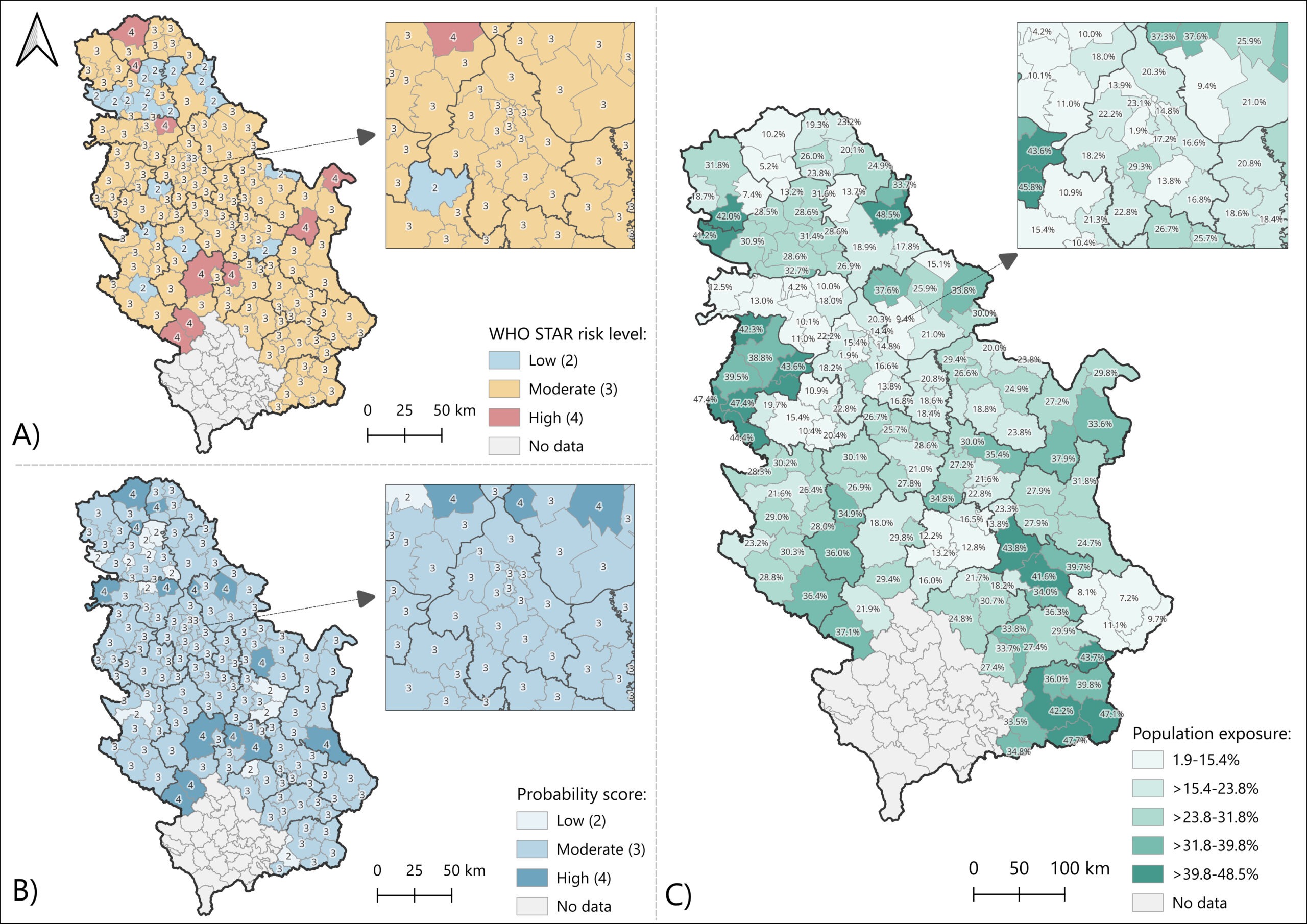
1. Cvetković, V. M., Ivanović, D., Lalić, V., Sabljić, L., Bašić, J., Cvetković, V. D., & Lukić, T. (2026). Risk Intensity and Exposure-Weighted Burden of Multiple Hazards in Serbia: A Nationwide Secondary Analysis of Public Health Emergency Assessments. Safety, 12(6), 145. https://doi.org/10.3390/safety12060145

Risk Intensity and Exposure-Weighted Burden of Multiple Hazards in Serbia: A Nationwide Secondary Analysis of Public Health Emergency Assessments

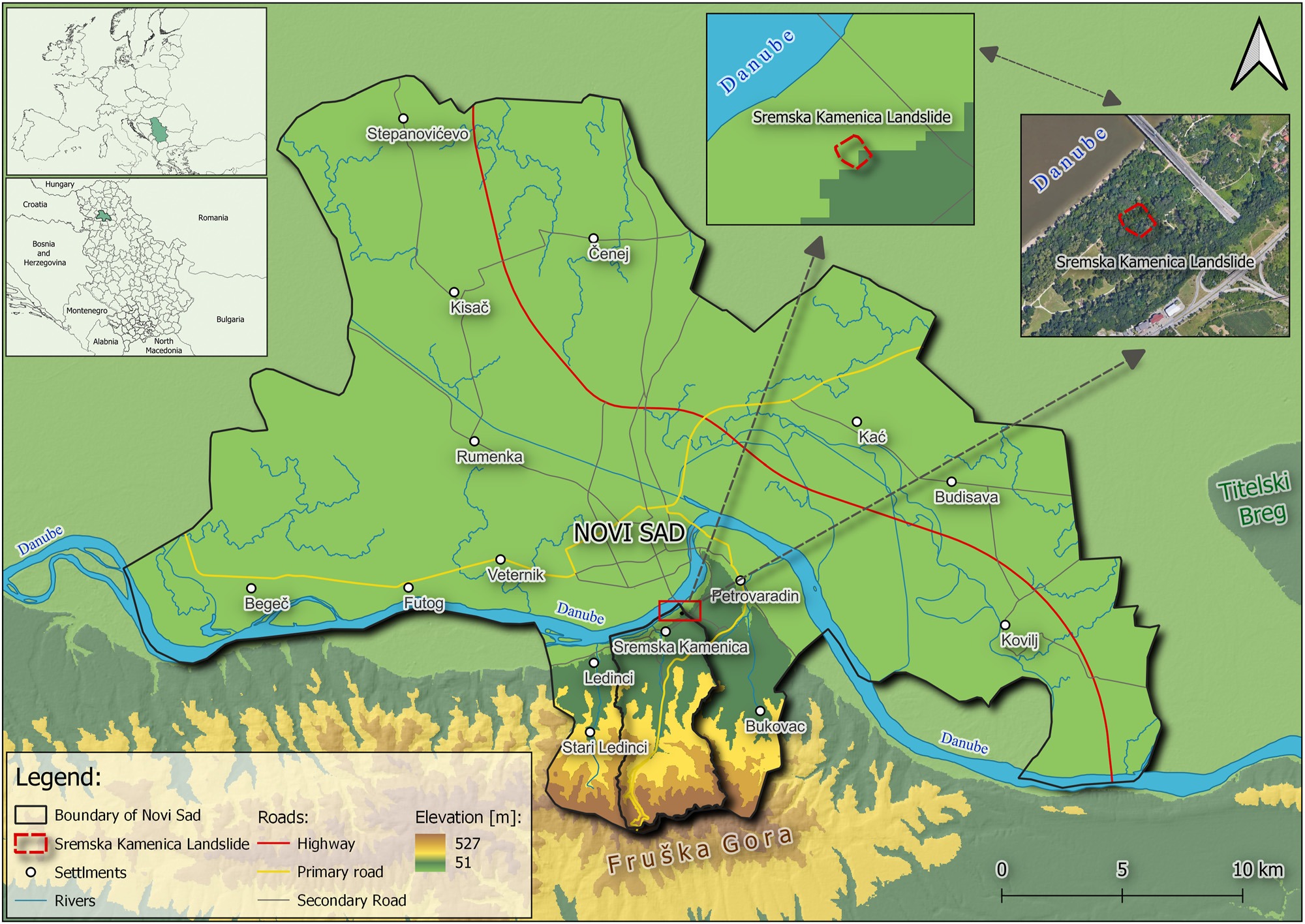
Can communities classified as facing moderate disaster risk still experience a substantial cumulative burden from multiple hazards? I am pleased to share our newly published open-access research article in Safety: “Risk Intensity and Exposure-Weighted Burden of Multiple Hazards in Serbia: A Nationwide Secondary Analysis of Public Health Emergency Assessments” Our nationwide study examines […]

Read more

Teaching at Montanuniversität Leoben, Austria, Prof. Dr. Vladimir M. Cvetković

Teaching at Montanuniversität Leoben, Austria

Teaching at Montanuniversität Leoben, Austria It has been a great pleasure to spend this week teaching at Montanuniversität Leoben, Austria, contributing to international academic cooperation and knowledge exchange in disaster risk management, emergency planning, industrial safety, and resilience. During my teaching engagement, I had the opportunity to deliver lectures and practical exercises in […]

Read more
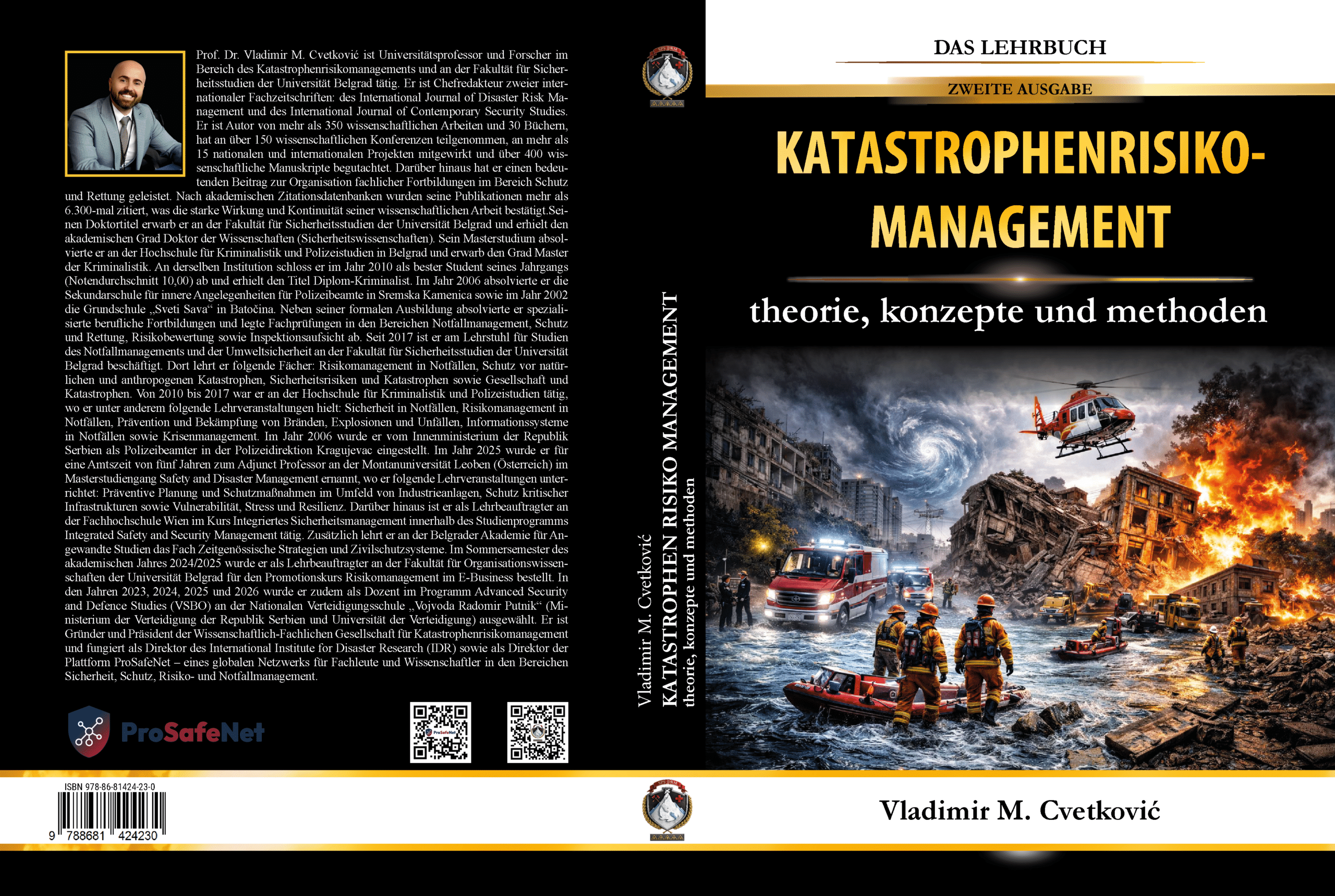
Cvetković, V. M. (2026). Katastrophenrisikomanagement: Theorie, Konzepte und Methoden. Belgrad, Serbien: Wissenschaftlich-fachliche Gesellschaft für Katastrophenrisikomanagement.

Katastrophenrisikomanagement: Theorie, Konzepte und Methoden

VORWORT ZUR ZWEITEN AUFLAGE Sechs Jahre nach Erscheinen der ersten Auflage des Universitätslehrbuchs „Risikomanagement in Notfallsituationen“ (2020) wurde deutlich, dass sich sowohl die wissenschaftliche Disziplin als auch die operative Praxis des Risikomanagements in einem erheblich veränderten Sicherheitsumfeld bewegen. Gegenwärtige natürliche und technologische Risiken sind zunehmend komplex, wechselseitig abhängig und dynamisch geworden. Zugleich weisen […]

Read more
A Little Guide to Disaster Safety for Children - Vladimir M. Cvetkovi, Vanja Cvetković

A Little Guide to Disaster Safety for Children

Authors: Prof. Dr. Vladimir M. Cvetković and Vanja D. Cvetković Publisher: Scientific-Professional Society for Disaster Risk Management (SPS-DRM), Belgrade, Serbia Year of Publication: 2026 ISBN: 978-86-81424-25-4 About the Publication A Little Guide to Disaster Safety for Children is a modern, richly illustrated, and interactive educational publication designed to develop children’s knowledge, awareness, practical […]

Read more
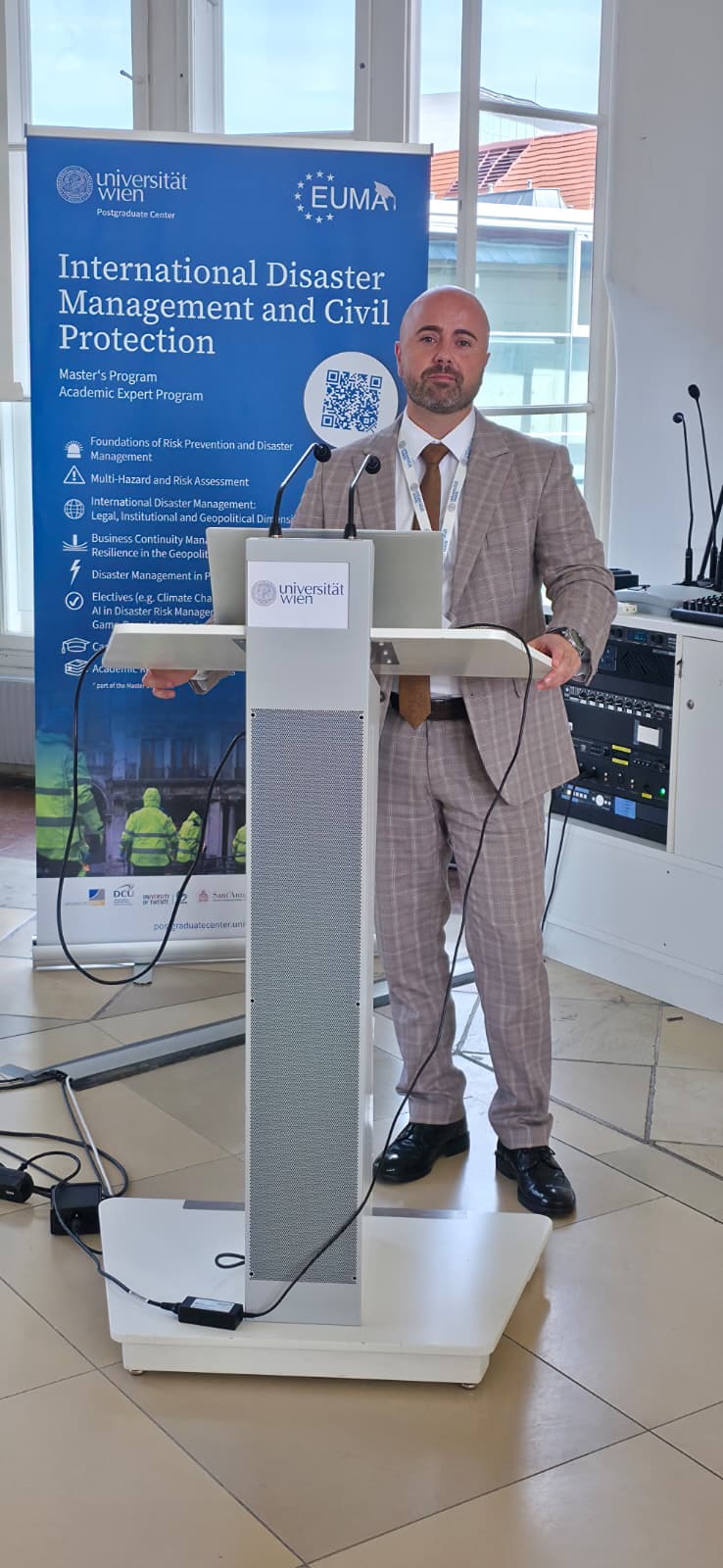
Prof. Dr. Vladimir M. Cvetković - Honored to be part of the University of Vienna’s EUMA programme!

Honored to be part of the University of Vienna’s EUMA programme!

Today marked the official opening and our first meeting within the international postgraduate Master’s programme International Disaster Management and Civil Protection (EUMA) at the University of Vienna. https://lnkd.in/d2rzNNWJ I am truly pleased to be part of this international and interdisciplinary academic community and to contribute to the course “Climate Change and Global Transitions […]

Read more
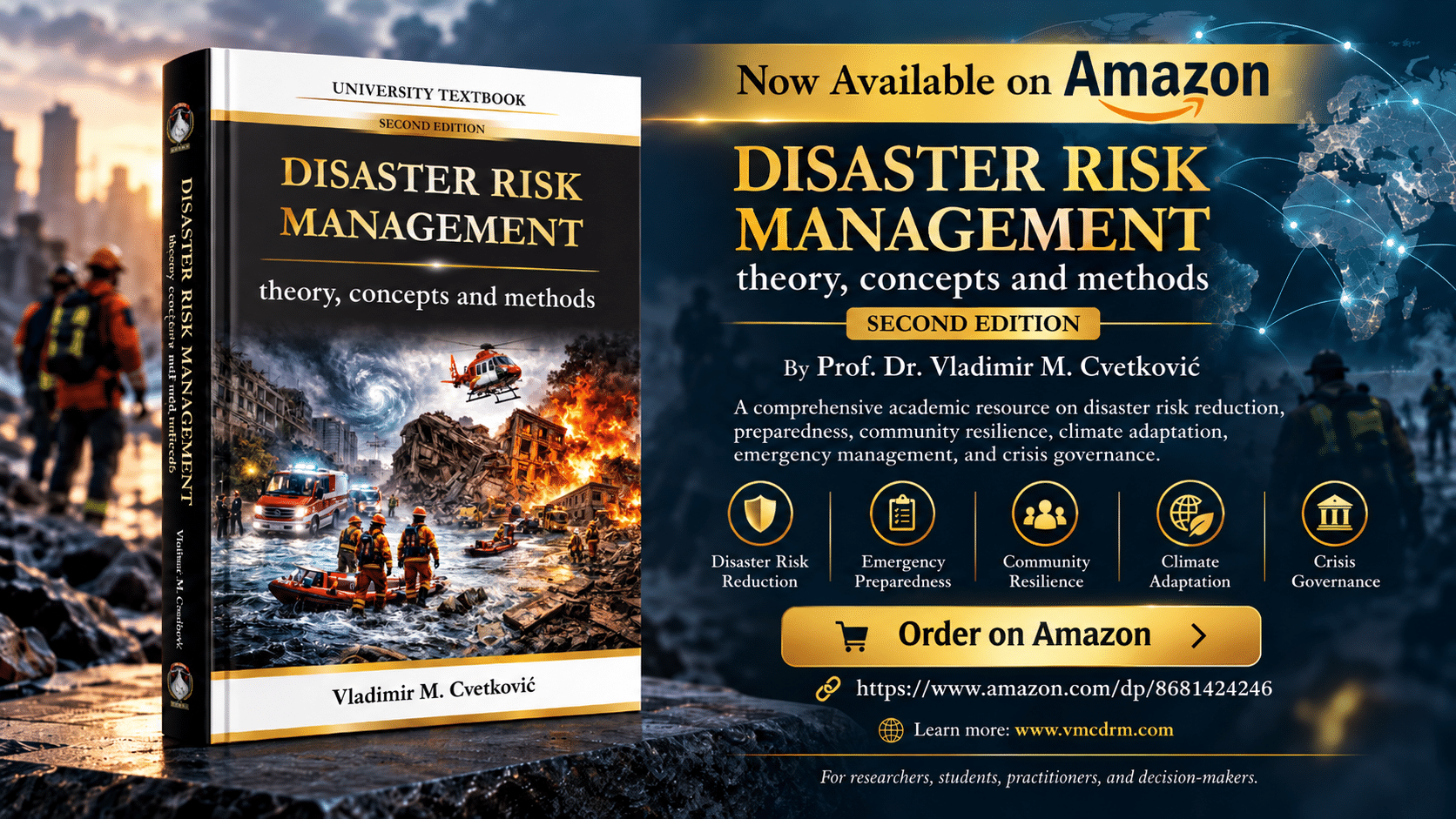
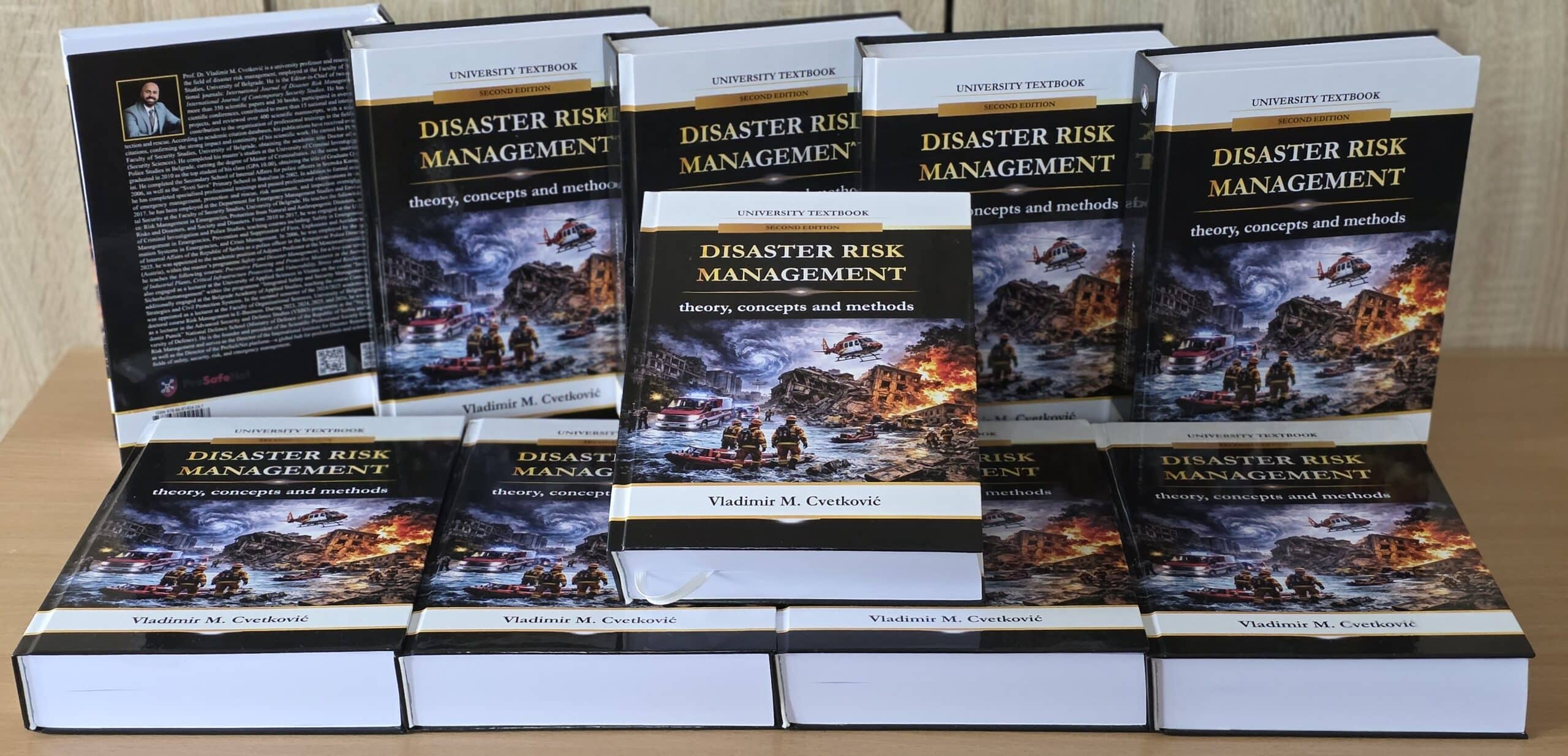
The second edition of “Disaster Risk Management: Theory, Concepts and Methods” by Vladimir M. Cvetković is now available worldwide on Amazon. Order the university textbook on disaster risk reduction, preparedness, resilience, climate adaptation and crisis governance.

Disaster Risk Management: Theory, Concepts and Methods – Now Available on Amazon

Now Available on Amazon: Disaster Risk Management – Theory, Concepts and Methods I am pleased to announce that my university textbook Disaster Risk Management: Theory, Concepts and Methods – Second Edition is now available for purchase through Amazon. 📘 Order the book directly on Amazon: https://www.amazon.com/dp/8681424246 The book provides a comprehensive academic and […]

Read more
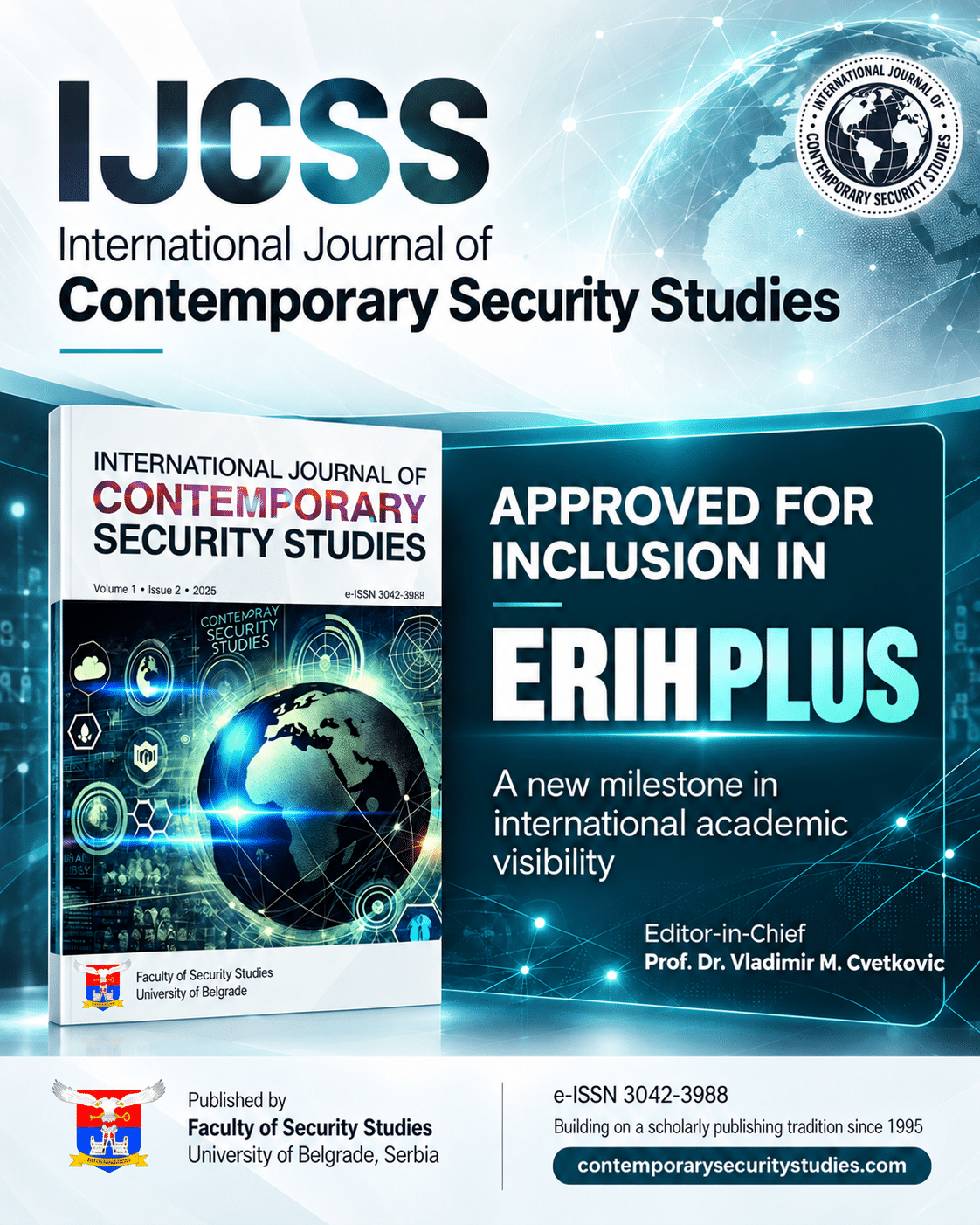
An important milestone for International Journal of Contemporary Security Studies — approved for inclusion in ERIH PLUS!

An important milestone for International Journal of Contemporary Security Studies — approved for inclusion in ERIH PLUS!

I am delighted to share that our International Journal of Contemporary Security Studies (IJCSS), published by the Faculty of Security Studies, University of Belgrade, Serbia, has successfully completed the evaluation process and has officially been approved for inclusion in ERIH PLUS. This achievement marks another important step in the journal’s development and in […]

Read more
Figure 2 Perceived Environmental Injustice in a Transboundary Radioactive Waste Siting Dispute: Implications for Social Sustainability in Border Communities of Bosnia and Herzegovina

Perceived Environmental Injustice in a Transboundary Radioactive Waste Siting Dispute: Implications for Social Sustainability in Border Communities of Bosnia and Herzegovina

Drawing on environmental justice theory and treating social sustainability as an interpretive rather than directly measured outcome, this cross-sectional study examines perceived distributive, recognition, and procedural justice surrounding the proposed Trgovska Gora radioactive-waste facility. Data comprise 385 valid questionnaires from a field-based non-probability sample of adults in eight municipalities in Bosnia and Herzegovina. […]

Read more
CALL FOR COMPANIES TO PARTNER WITH ProSafeNet

CALL FOR COMPANIES TO PARTNER WITH ProSafeNet

Are you a manufacturer, distributor, technology provider, safety company, or organization offering products, equipment, services, or innovative solutions in the fields of safety, security, fire protection, emergency management, civil protection, occupational safety, disaster risk reduction, resilience, or related sectors? ProSafeNet invites companies worldwide to present their products, demonstrate their equipment, and connect directly […]

Read more
The next disaster will not wait for us to exchange business cards. ProSafeNet

The next disaster will not wait for us to exchange business cards.

🚨 The next disaster will not wait for us to exchange business cards. https://prosafenet.com/ Around the world, brilliant researchers, emergency professionals, institutions, innovators and volunteers are working on the same challenge—yet too often, they remain disconnected. That is the real risk nobody talks about. ProSafeNet was created to change this. More than a […]

Read more
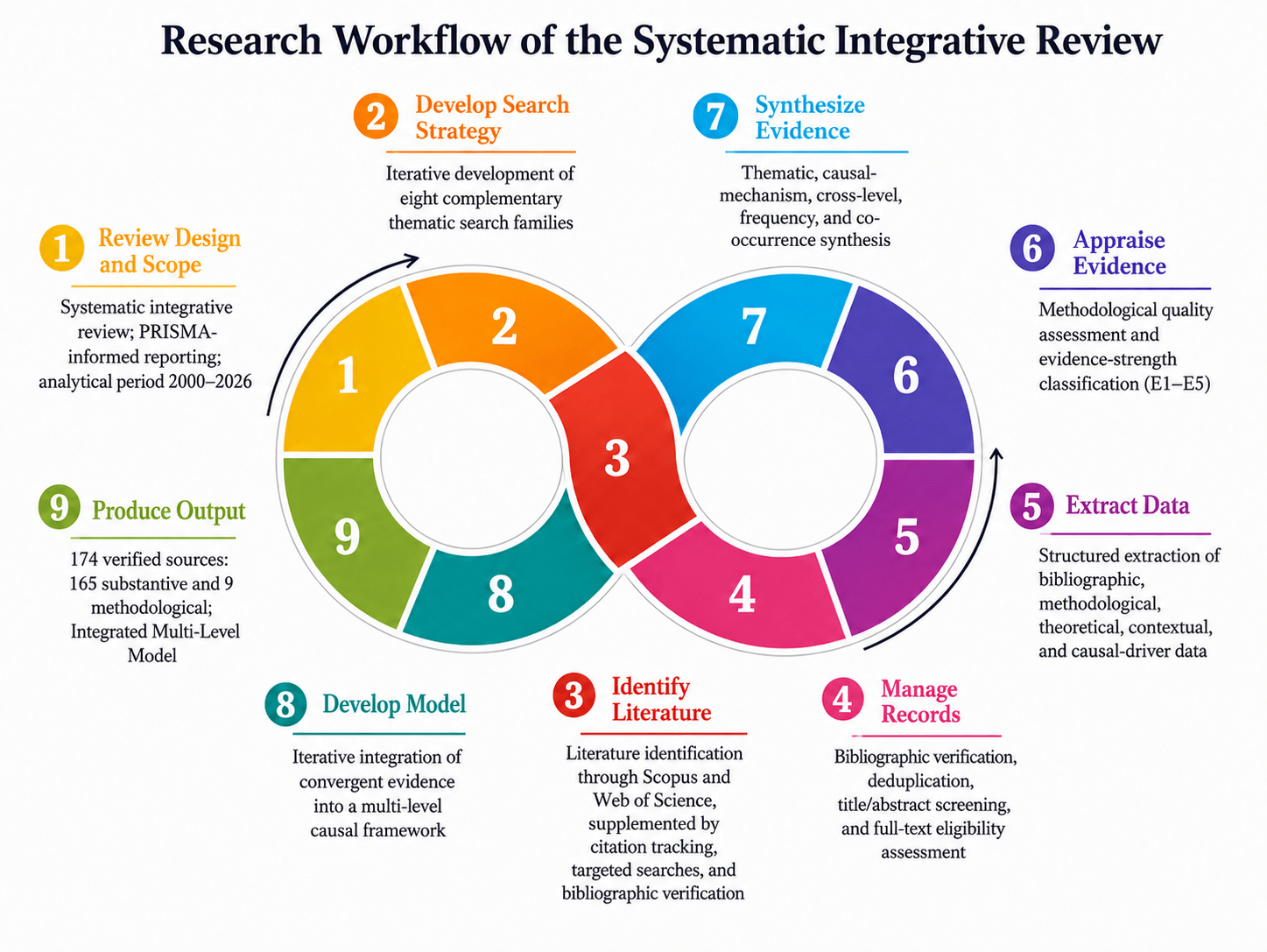
Figure 1 Underlying Causes and Drivers of Disasters: A Systematic Integrative Review of Structural Vulnerability, Risk Governance, Development Pathways, and Systemic Risk

Underlying Causes and Drivers of Disasters: A Systematic Integrative Review of Structural Vulnerability, Risk Governance, Development Pathways, and Systemic Risk

Disasters are often identified by the hazard that occurs immediately before them. However, hazard occurrence alone does not explain why similar events result in vastly different human, economic, institutional, and infrastructural impacts. This comprehensive review synthesizes evidence on the fundamental causes and drivers that transform hazards into disasters, emphasizing factors like structural vulnerability, […]

Read more
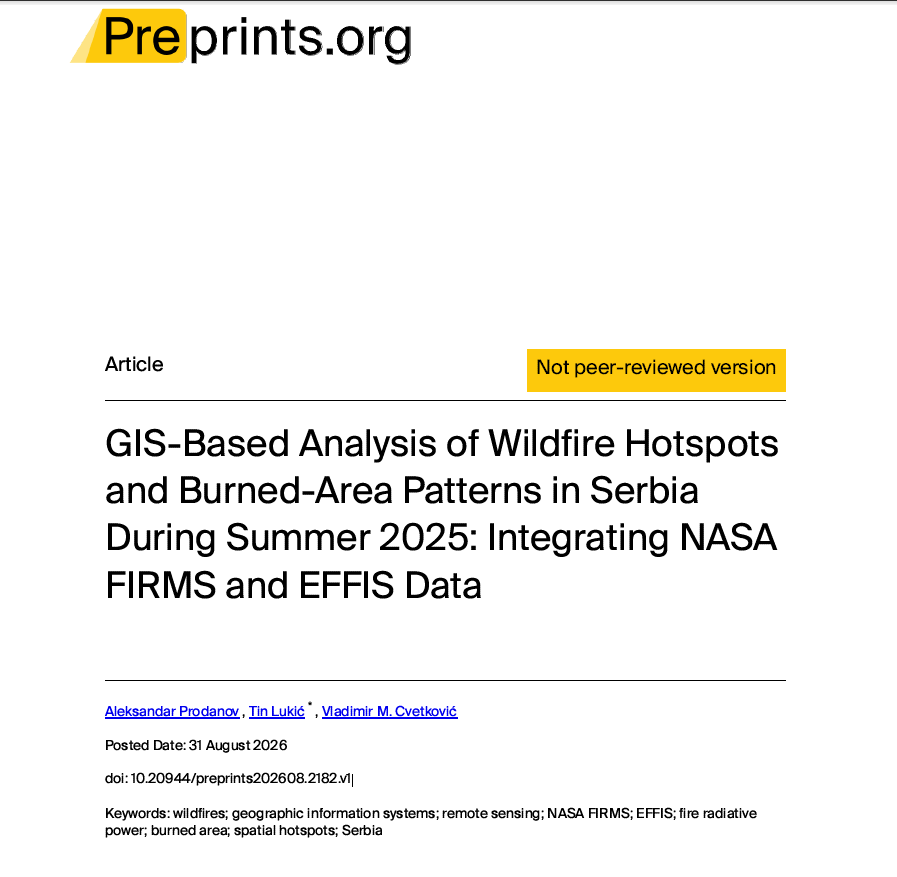
Screenshot 2026 08 31 080855 GIS-Based Analysis of Wildfire Hotspots and Burned-Area Patterns in Serbia During Summer 2025: Integrating NASA FIRMS and EFFIS Data

GIS-Based Analysis of Wildfire Hotspots and Burned-Area Patterns in Serbia During Summer 2025: Integrating NASA FIRMS and EFFIS Data

Wildfires increasingly affect ecological systems, rural livelihoods, infrastructure, and emergency-management capacity across Southeast Europe, yet national assessments often treat active-fire detections and mapped burn scars as separate evidence streams. This study examined the spatial distribution, intensity, and territorial consequences of open-space fires in Serbia during June-August 2025 by integrating 5,233 NASA Fire Information […]

Read more
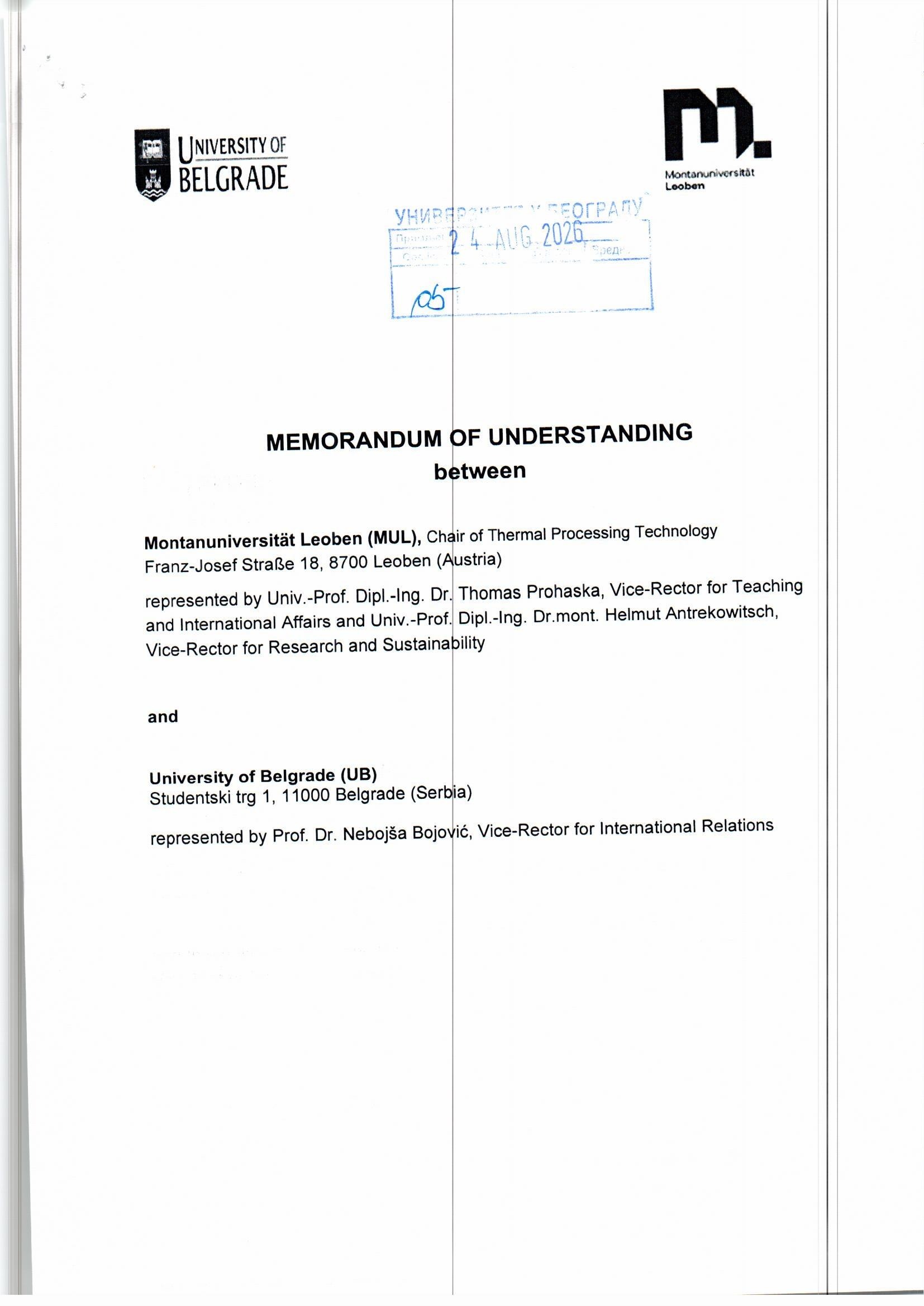
1 Strengthening Academic Cooperation between the University of Belgrade, Serbia and Montanuniversität Leoben, Austria

Strengthening Academic Cooperation between the University of Belgrade, Serbia and Montanuniversität Leoben, Austria

I am very pleased to share that the Memorandum of Understanding between the University of Belgrade and Montanuniversität Leoben has now been formally signed, establishing a framework for institutional cooperation for the next five years, until 22 July 2031. This agreement represents an important step toward further strengthening academic and scientific cooperation between […]

Read more
Prof. Dr. Vladimir M. Cvetković Reaches 7,014 Google Scholar Citations

Prof. Dr. Vladimir M. Cvetković Reaches 7,014 Google Scholar Citations

7,014 times, an idea continued its journey. Today, my research has reached 7,014 citations on Google Scholar, with an h-index of 41 and an i10-index of 173. (https://scholar.google.com/citations?user=mBDskZcAAAAJ&hl=sr) Yet the most meaningful part of this milestone is that it does not belong to me alone. Every citation begins with someone choosing to engage […]

Read more

Understanding Multi-Hazard Early Warning Systems: A Comprehensive Guide to Their Functionality, Essential Elements, Advantages, and Successful Implementations Around the Globe

Introduction Multi-Hazard Early Warning Systems (MHEWS) have become essential tools in disaster risk management, providing critical information that helps communities prepare for and respond to a wide range of hazards. From natural disasters, such as earthquakes and hurricanes, to technological events and public health crises, MHEWS aim to mitigate losses by giving timely […]

Read more

Artificial Intelligence in Disaster Risk Management: Applications, Benefits, Risks, and Real-World Examples in 2026

Introduction The role of artificial intelligence (AI) in enhancing disaster risk management is increasingly recognized as essential in our rapidly changing world. Natural disasters such as floods, earthquakes, and hurricanes pose significant threats to communities globally, necessitating effective risk management strategies. By integrating AI technologies, disaster risk management can evolve with enhanced predictive […]

Read more
20260722 082904 scaled The Role of Community Engagement in Enhancing Disaster Resilience: Evidence from Recent Studies

The Role of Community Engagement in Enhancing Disaster Resilience: Evidence from Recent Studies

<h2>I. Introduction</h2> <p>The increasing frequency and intensity of natural disasters worldwide highlight the urgent need for effective disaster resilience strategies. Disaster resilience refers to the capacity of individuals, communities, and systems to anticipate, prepare for, respond to, and recover from significant adverse events. Central to enhancing disaster resilience is the concept of community […]

Read more

Assessing Local Disaster Governance in Coastal Bangladesh: Comparing Institutional and Community Perspectives on Disaster Management Committees

Abstract Despite substantial investments in decentralized disaster governance, Bangladesh’s coastal regions remain highly vulnerable to climate-induced hazards. Disaster Management Committees (DMCs) were established to enhance local preparedness, response, and recovery through participatory governance. However, empirical evidence on their effectiveness at the community level remains limited. This study examines the institutional capacity, operational effectiveness, […]

Read more

Predictive Model of Community Disaster Resilience Across Serbia: A BRIC–DROP Composite Index and Spatial Patterns

Abstract Community disaster resilience is increasingly guiding risk-reduction investments, but in many Southeast European settings, comparable subnational data remain scarce. This study assesses perceived community disaster resilience across Serbia by combining BRIC–DROP dimensions into a single index and analyzing differences across hazard types and sociodemographic factors. A cross-sectional household survey was conducted using […]

Read more

Nanotechnology: Challenges in Combating Climate Change

Abstract Climate change represents a systemic risk that simultaneously affects natural ecosystems, the economy, and public health, with impacts manifested through more frequent and more intense extreme weather events, resource degradation, and impaired food and water security. Mitigation requires rapid reductions in greenhouse-gas emissions, while adaptation entails adjusting infrastructure, production systems, and public […]

Read more

Measuring Community Disaster Resilience in Serbia Using an Adapted BRIC Framework Grounded in DROP: Index Construction and Regional Disparities

Abstract Disaster resilience has become a key focus of risk reduction efforts, but measuring it remains complex due to differences in hazards, development paths, and data systems. This study modifies the Baseline Resilience Indicators for Communities (BRIC) approach, based on the Disaster Resilience of Place (DROP) framework, to evaluate community resilience in Serbia […]

Read more

Disasters and deviant behavior: risk factors and citizen perceptions in Serbia

Abstract Disasters, in addition to immediate material losses, can trigger secondary psychosocial processes that increase the risk of various forms of deviant and violent behavior. This paper aims to examine citizens’ perceptions in Serbia regarding the connections between disasters, violence, and deviant behavior, as well as factors associated with awareness, self-assessed readiness to […]

Read more

First responders in the Western Balkans: Strengthening Capacities and Preparedness for a Resilient Future

Abstract First responders are crucial to disaster risk management in the Western Balkans, but their capacity and preparedness vary significantly across countries and sectors. To enable comparable, evidence-based insights, this review uses a harmonized Readiness to Respond (R2R) framework across five key sectors: firefighting and rescue, police, emergency medical services (EMS), civil protection, […]

Read more

Rethinking Disaster Resilience: Conceptual Framework, Core Dimensions, and Key Actors

Abstract This article explores the conceptual and theoretical foundations of disaster resilience to understand its full complexity and multidisciplinary nature. The first section traces definitions from their etymological origins and early scholarly interpretations to modern perspectives that view resilience as a dynamic mechanism for overcoming risk and crisis. It highlights the concept’s adaptability […]

Read more

Digital Literacy and Educational Empowerment Among Rural Women in Bangladesh: Bridging the Technology Access Gap

Abstract This study explores how digital literacy influences the education and empowerment of rural women in Bangladesh from 2015 to 2024. Using data from surveys, semi-structured interviews, and focus groups, it examines how rural women access digital technologies, the challenges they face, and the social and educational benefits of increased digital engagement. Despite […]

Read more

Spatial–Temporal Trends of Cancer Among Women in Central Serbia, 1999–2021: Implications for Disaster and Public Health Preparedness

Abstract Background/Objectives: Cancer is a major public health burden in Serbia and a factor influencing long-term disaster readiness by straining health system capacity. This study examined spatial and temporal trends in incidence and mortality for eight major cancers among women in Central Serbia (1999–2021) to inform targeted prevention and preparedness strategies. Methods: Standardised […]

Read more

Factors of Vulnerability and Resilience of Persons with Disabilities During Disasters: Challenges and Strategies for Inclusive Risk Reduction

Abstract Persons with disabilities (PWDs) are among the most at-risk groups during disaster situations due to various physical, sensory, cognitive, and systemic challenges that hinder their ability to prepare for, respond to, and recover from crises. Although international legal frameworks emphasise their inclusion, people with disabilities (PWDs) often struggle to access essential resources, […]

Read more

Understanding Ransomware Through the Lens of Disaster Risk: Implications for Cybersecurity and Economic Stability

Abstract Ransomware has emerged as a modern digital crisis, mirroring the widespread disruptions typically associated with natural or artificial disasters. As global economies grow increasingly interconnected through digital systems, the fallout from ransomware attacks stretches far beyond mere technical breaches. These incidents result in severe financial damage, disrupt operations, erode reputations, and contribute […]

Read more

Integrating Psychosocial Support into Emergency and Disaster Management and Public Safety: The Role of the Red Cross of Serbia

Abstract As emergencies and disasters continue to strain public health systems globally, integrating psychosocial support into national response frameworks has emerged as a critical, though often overlooked, priority. This study examines the role of the Red Cross of Serbia in delivering Psychosocial First Aid (PFA), highlighting it as a vital yet underrepresented component […]

Read more

Disaster Risk Perception and Local Resilience near the ‘Duboko’ Landfill: Challenges of Governance, Management, Trust, and Environmental Communication in Serbia

Abstract This study examines residents’ perceptions of environmental and disaster risks near the “Duboko” regional landfill in Serbia. It aims to uncover factors that affect public trust and community resilience. This approach is rooted in interdisciplinary perspectives on risk perception, institutional trust, and socio-ecological resilience. A structured, self-administered questionnaire was used to collect […]

Read more

Qualitative insights into cultural heritage protection in Serbia: Addressing legal and institutional gaps for disaster risk resilience

Abstract This research is dedicated to a comprehensive exploration of the strengths and weaknesses inherent in the legal and institutional measures established to safeguard cultural heritage in the Republic of Serbia against the adverse effects of disasters, including earthquakes, landslides, rockfalls, floods, torrents, storms, hail, and forest fires. The study seeks to identify […]

Read more

Understanding seismic hazard resilience in Montenegro: A qualitative analysis of community preparedness and response capabilities

Abstract Enhancing resilience against seismic hazards in earthquake-prone regions is essential for reducing the devastating impacts of disasters. Seismic resilience refers to a community’s ability to withstand and recover from earthquake impacts, while preparedness gaps are the areas where current measures are insufficient to effectively respond to or mitigate earthquake damage. This study […]

Read more

Disaster Risk Perception and Local Resilience near the ‘Duboko’ Landfill: Challenges of Governance, Management, Trust, and Environmental Communication in Serbia

Abstract This study examines residents’ perceptions of environmental and disaster risks near the “Duboko” regional landfill in Serbia. It aims to uncover factors that affect public trust and community resilience. This approach is rooted in interdisciplinary perspectives on risk perception, institutional trust, and socio-ecological resilience. A structured, self-administered questionnaire was used to collect […]

Read more

Comprehensive Risk Analysis of Emergency Medical Response Systems in Serbian Healthcare: Assessing Systemic Vulnerabilities in Disaster Preparedness and Response

Abstract Background/Objectives: Emergency Medical Response Systems (EMRSs) play a vital role in delivering medical aid during natural and man-made disasters. This quantitative research delves into the analysis of risk and effectiveness within Serbia’s Emergency Medical Services (EMS), with a special emphasis on how work organization, resource distribution, and preparedness for mass casualty events […]

Read more

Private Security Preparedness for Disasters Caused by Natural and Anthropogenic Hazards

Abstract The subject of the research is to examine the private security preparedness for disasters caused by natural and anthropogenic hazards. In addition, the relationship between preparedness levels and various demographic and socio-economic factors is examined. The survey was anonymous with 4-point Likert scale questions (1- I absolutely disagree; 4- I absolutely agree). […]

Read more

Capacity Building in Serbia for Disaster and Climate Risk Education

Abstract The territory of the Republic of Serbia is exposed to various natural and technical-technological hazards that increasingly endanger people and their material goods. An integrated disaster risk management system (preparedness, mitigation, response and recovery) has not yet taken root in Serbia to a sufficient extent, although there are certain institutional and legal […]

Read more

The role of the police of Montenegro in combating fan hooliganism

Abstract In recent years, hooligan incidents in Montenegro have become more frequent and violent. Hooliganism at sports events is becoming recognized as a serious problem by citizens, legislators, and other state institutions. Violence at sports events in Montenegro exists, but it still does not represent a major security problem. States deal with this […]

Read more